On Friday at Cox’s Bazar, the world’s longest natural sea beach, a huge waterspout began to make waves as tourists and local residents stood in awe as the mighty waterspout came ashore.
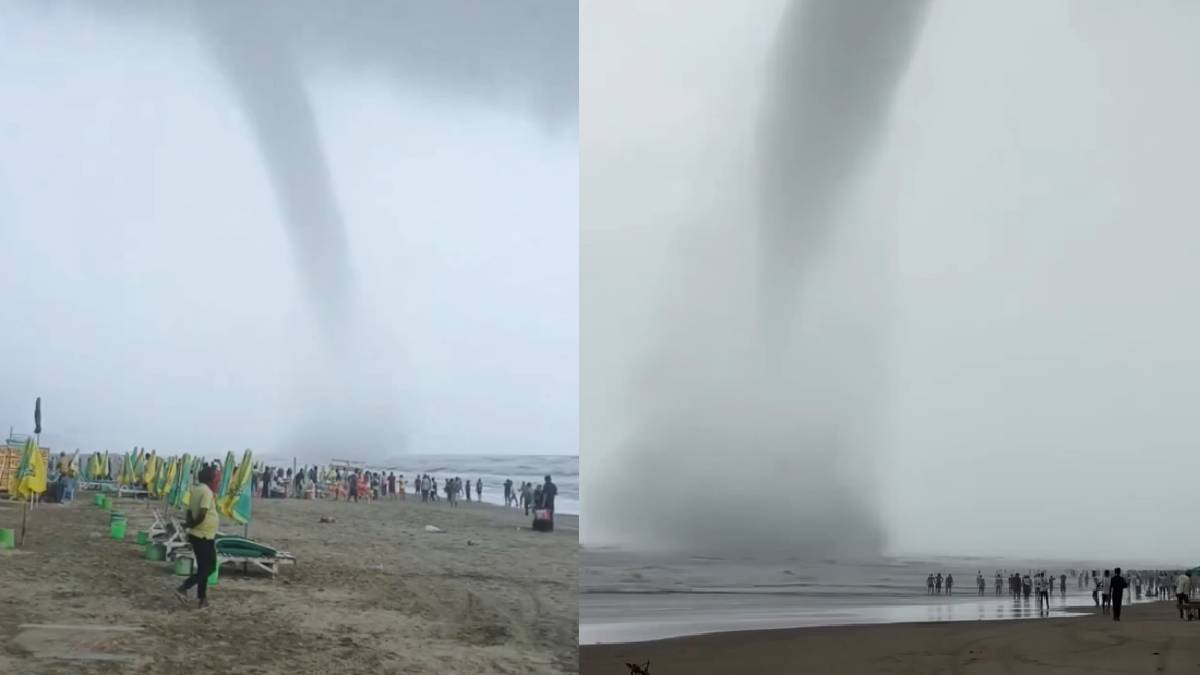
Social media users filmed the huge column of rotating air and water rolling up the beach, which was surreal and possibly dangerous.
The waterspout formed offshore and slowly moved towards the coast. Strong winds, swirling sand, and rough seas made the beach very rough for the first time, say witnesses. Most of the people fled to safer areas or recorded the event on their mobile phones and there were no serious injuries or casualties.
Waterspouts are tornado-like vortices formed over water. They are associated with thunderstorms, high humidity, and unstable atmospheric conditions. Most waterspouts are still over open water at the time of landfall, but can travel inland afterward. Once on land they get weakened but can still produce strong winds that can cause localized damage.
The Bay of Bengal has weather conditions that make waterspouts more likely during the monsoon season, weather experts say. The warm sea surface temperatures, moist air, and atmospheric instability are all factors involved in the formation of these rotating columns.

Waterspouts are relatively rare compared to regular thunderstorms, but are not unheard of along the coasts of Bangladesh.
The spectacular sight drew widespread attention on social media and videos were posted on X (formerly Twitter), Facebook, Instagram, and other websites. Users said it looked like a scene from a disaster movie, while weather enthusiasts said the rare footage was a great demonstration of nature's power.
A massive waterspout came ashore at cox's bazar sea beach in Bangladesh today...🌪️ pic.twitter.com/hthFvZgY15
— Volcaholic 🌋 (@volcaholic1) July 17, 2026
Beachgoers and fishermen should be warned in stormy weather and stay away from waterspouts, the Coast Guard says. People should avoid waterspouts because they can cause dangerous gusts of wind, flying debris, and sudden changes in wave conditions, they said. Small boats are particularly vulnerable if they are caught in one of these rotating storms.
Cox's Bazar, a major tourist spot in Bangladesh, depends on changing weather frequently because of its coastal location. Local officials keep an eye on the weather and tell people to follow official warnings when it is raining, thunderstorms, or strong winds.
The waterspout did cause some panic among the visitors but also served to remind them of the powerful natural forces that can quickly develop in warm tropical waters. Global climate patterns are associated with extreme weather events and must be taken into account in meteorologists’ awareness and early warning systems in the fight for coastal communities.
The incident will continue to be one of the most talked-about weather events in the region and videos of the incident will still be on social media.