On July 26, literature lovers around the world celebrate the birth anniversary of George Bernard Shaw, one of the most influential playwrights, critics and intellectuals of English literature.
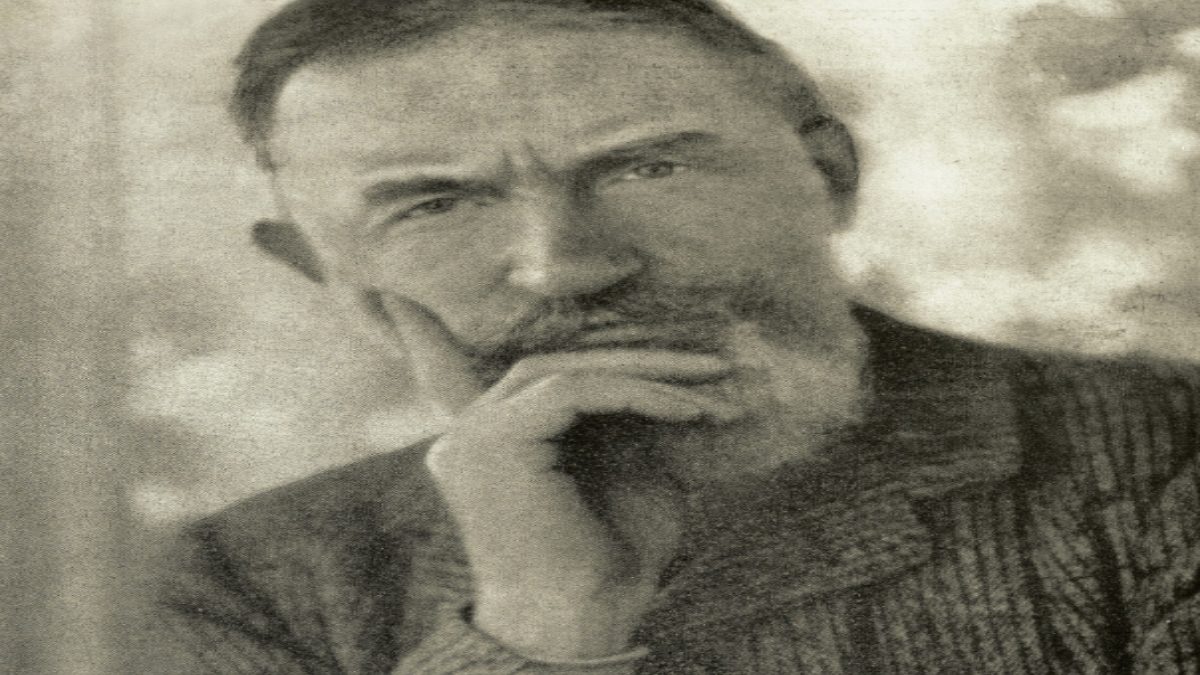
Shaw was born on July 26, 1856, in Dublin, Ireland. He left behind a legacy of thought-provoking plays and sharp wit and fearless analysis of society, politics, education and human nature. He was awarded the Nobel Prize in Literature in 1925 for his work on literature and was one of history's greatest writers.
Early Life and Education
George Bernard Shaw was born into a modest family in Dublin. His childhood was marked by financial struggles, but those hardships shaped his critical view of society and social inequality. Unlike many celebrated authors, Shaw had little formal education. As a result, he was educated in libraries, where he developed a passion for literature, philosophy, music and politics.
Shaw moved to London in 1876 in order to pursue a literary life. He had a lot of rejections during the early years and didn’t even start writing as a novelist. The novels didn’t work out so well at first but his persistence paid off when he started writing plays and essays.
Rise as a Playwright
Shaw quickly earned his fame for his ability to combine humour with social criticism. His plays challenged conventional thinking and forced audiences to question accepted norms. Not writing for entertainment, Shaw used theatre as a medium to tackle major issues such as class inequality, women’s rights, education and religion, and politics.
Some of his most famous works include:
- Pygmalion (1913) - perhaps his best known play, later adapted into the world famous musical My Fair Lady
- The story focuses on language, class boundaries and social mobility
- Man and Superman (1903) - A philosophical comedy about relationships, society and evolution
- Saint Joan (1923) - Based on the life of Joan of Arc, this historical drama received widespread critical acclaim
- Arms and the Man (1894) - A satirical comedy that challenges romantic notions of war and heroism
- Major Barbara (1905) - A thoughtful examination of wealth, morality and social responsibility
Nobel Prize in Literature
In 1925, George Bernard Shaw won the Nobel Prize in Literature for his literary achievements. He was praised by the Nobel Committee for idealism, originality and satire as his writing was thoughtfully conceived and well-written, as well as for his intellectual depth plus his artistic genius.
Interestingly, Shaw initially declined the monetary award while accepting the honor itself. Literature should not be driven by financial rewards, he thought, and later said that the prize money should be used to promote translations of Swedish literature into English.
Shaw was much more than a playwright or writer. He was also an essayist, political activist and public intellectual. He was part of the Fabian Society and advocated for gradual social reform, equal pay, better education and workers' rights. His opinions often sparked debate, but they also encouraged meaningful conversations about social progress.
Shaw, known for his sharp sense of humor, made so many memorable quotes that still inspire people today.
One of his most famous observations is:
"Life isn’t about finding yourself. Life is about creating yourself."
Another well-quoted line comes from his belief in lifelong learning:
"We don’t stop playing because we grow old; we grow old because we stop playing."
These timeless words continue to resonate with people across generations.
Enduring Legacy
George Bernard Shaw authored more than 60 plays during his long career. He has had a huge impact in literature, but more recently on theatre, education, political philosophy and social commentary. His works are taught as part of much of the syllabus in school today and are still performed in theatres all over the world.
His innovative writing, memorable characters and willingness to challenge societal norms have made sure that his legacy lingers on even decades after his death.
Celebrating His Birth Anniversary
It is the anniversary of George Bernard Shaw's birth that we must recognize the great power of literature to generate critical thinking and social change. Reading his plays, going to theatrical performances or reading his essays, the brilliance of one of history’s greatest literary minds is realized.
His remarkable career reminds us that courage, curiosity and independent thinking are not only important in literature but society as well. As the world celebrates his birth anniversary on July 26, George Bernard Shaw's words and ideas continue to push readers to ask, learn, and picture a better future.