The global economy is faced today with a “major threat” because there is increased tensions for the Middle East’s energy market and financial markets is at stake by now, said Fatih Birol, the head of the International Energy Agency (IEA).
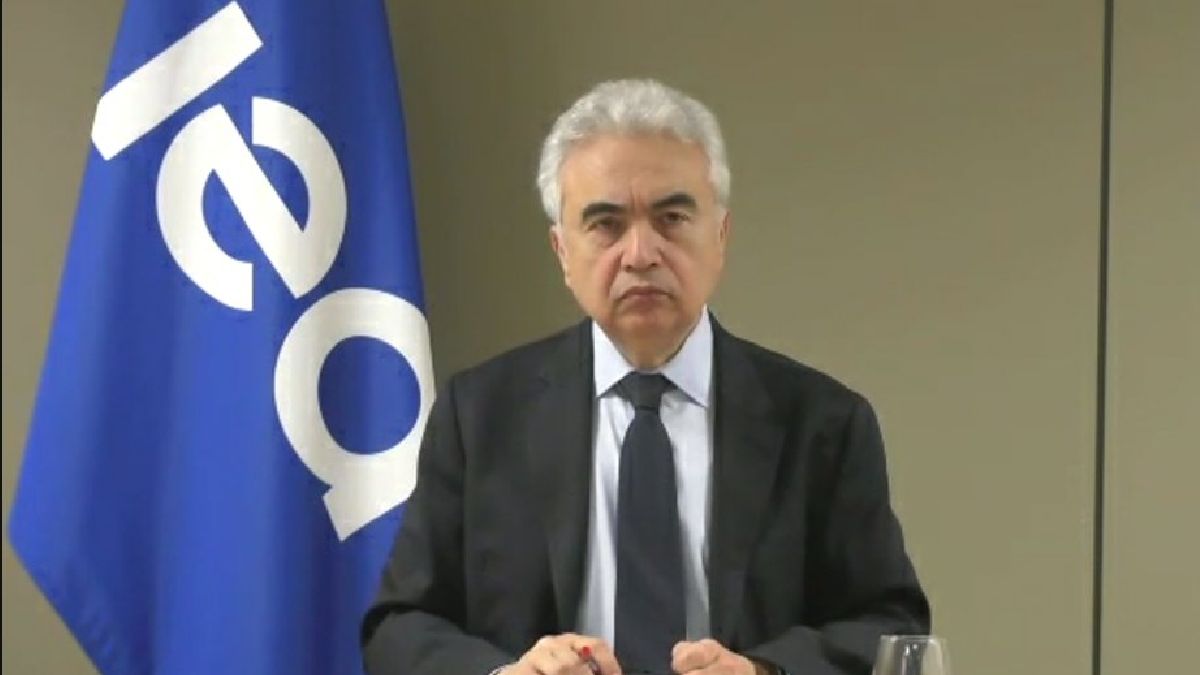
The growing crisis, Birol stated, poses a threat not only to regional stability but also to the global economy. But oil output and supply in the Middle East will be affected with the impact at large on energy prices worldwide.
The IEA chief said one of the principal concerns is a disruption to oil traffic through major maritime routes, particularly the Strait of Hormuz. And if it were to be blockage or at least military action could break up that line, crude-oil prices would increase dramatically.
Higher oil prices would likely lead to higher fuel costs globally, putting pressure on inflation already affecting many economies. The region and countries with a high dependence on oil imports will face large financial difficulty and businesses and consumers will have higher prices across sectors.
Longer-term conflict could also hurt global economies, Birol said. So that sectors dependent on stable energy supply such as manufacturing could face losses, transport and other ones. As well as financial markets will always respond to uncertainty and instability and the market will not be as confident.
The warning arrives at a time when the global economy appears to be making up from past shocks such as the pandemic and inflationary pressures. And as more geopolitical tension brings about a new energy crisis, recovery needs to be achieved more and the recoveries for many of the countries might get hampered.
Governments and regulators are closely monitoring the situation and are talking about what could happen with the consequences of which all levels of governments have contingency plans. Strategic petroleum reserves are being discussed at present and diversification of sources of energy as well as diplomacy efforts are being looked into to maintain supply stability.
The world’s experts suggest that the crisis also underscores whether we can be pushed forward to greener and diversified energy systems. Investment in renewable energy and less dependency on fossil fuels could be the future buffer of the oil and money crisis against a scenario like that because investing in renewable energy is critical.
As the situation stands at a critical point leaders need to de-escalate and to find diplomatic solutions to the current conflict in order to avoid a deterioration of the situation. Next weeks will decide if the tension will dissipate or keep on to worsen but will take a toll and be very important for the world economy.
As the Middle East conflict continues to unfold, the IEA’s warning stands as a vivid indicator of global markets being connected— and that regional instability can wash up in the global dust.