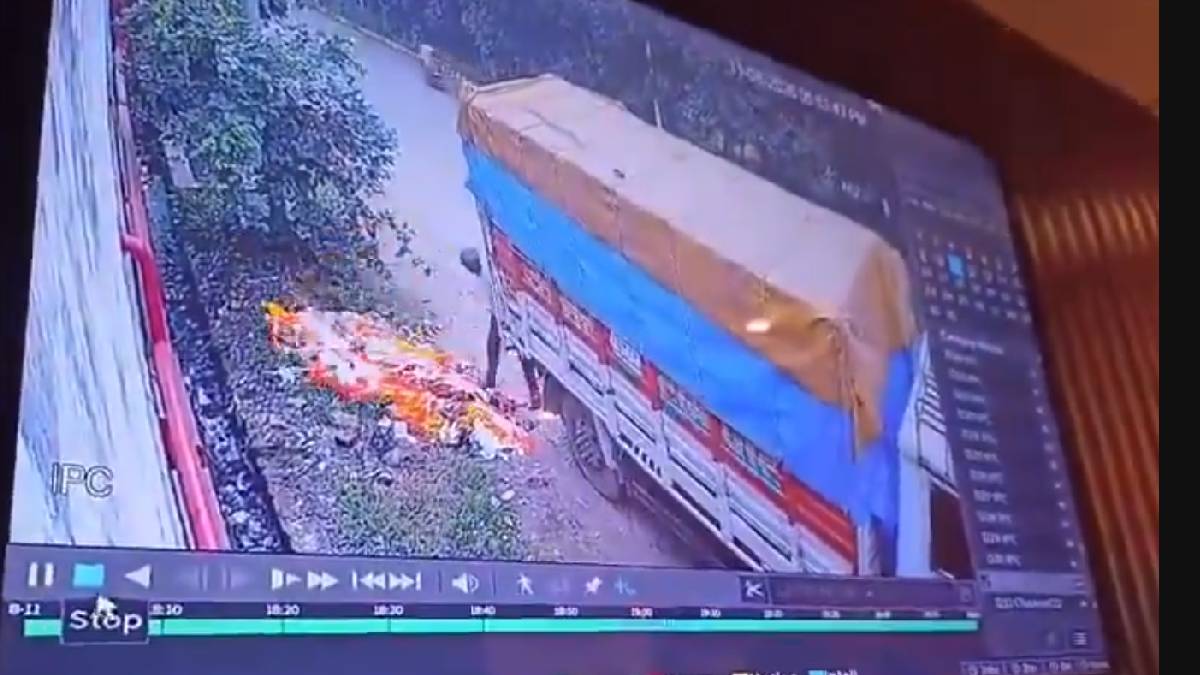
A Lashkar-e-Taiba commander was gunned down and stabbed to death by a fellow operative inside Muridke, in a town in the home of the LeT network in Pakistan in an extraordinary instance. Within terror networks throughout the country, it’s a cause for alarm.
According to initial reports, that attack took place in Muridke near Lahore city where LeT has long been involved in its operations and facilities to the city. It is claimed that the commander -his name not disclosed in detail -was targeted by someone who’s in the same squad during an internal warfare with the same outfit.
The assailant was known to first fire on the commander before stabbing him in order to nail him for life.
What is at present to explain this kind of brutal murder?
Such incidents, security experts say, are frequent inside extremist groups: power struggles and mistrust and ideological rifts often spark clashes. That suggests that the killing may betray fractures in Lashkar-e-Taiba, an organization under fire worldwide for its activities.
Muridke had long been a fundamental base for the group, so there is a lot going on here in this case. If internal instability within any such organization would have broader implications for the security of the whole state and local communities it would be to the major extent of operations or splinter groups like split-up into smaller smaller groups.

Pakistan has not released a statement nor has the local authorities said whether some arrests have been made. The absence of official assurance has meant there is no way to independently verify the allegations and the nature of the reports were based on nothing but reports that could have been generated from many sources of media media.
And analysts believe internal discord within terrorist outfits may sometimes weaken their organization but leads to unpredictable results, as that of more violent elements in the organization.
This time of year, at least this is not the case, in which global attention is on counter-terrorism and the strong actions that need to be taken against extremist networks. And incidents like this illustrate that such structures are volatile and are the result that they keep coming up in the future.
As more remains to be confirmed, the identities of those involved and what was the reason behind the killing will emerge. But the situation serves as an eye witness to radicalized organizations’ internal frailty.