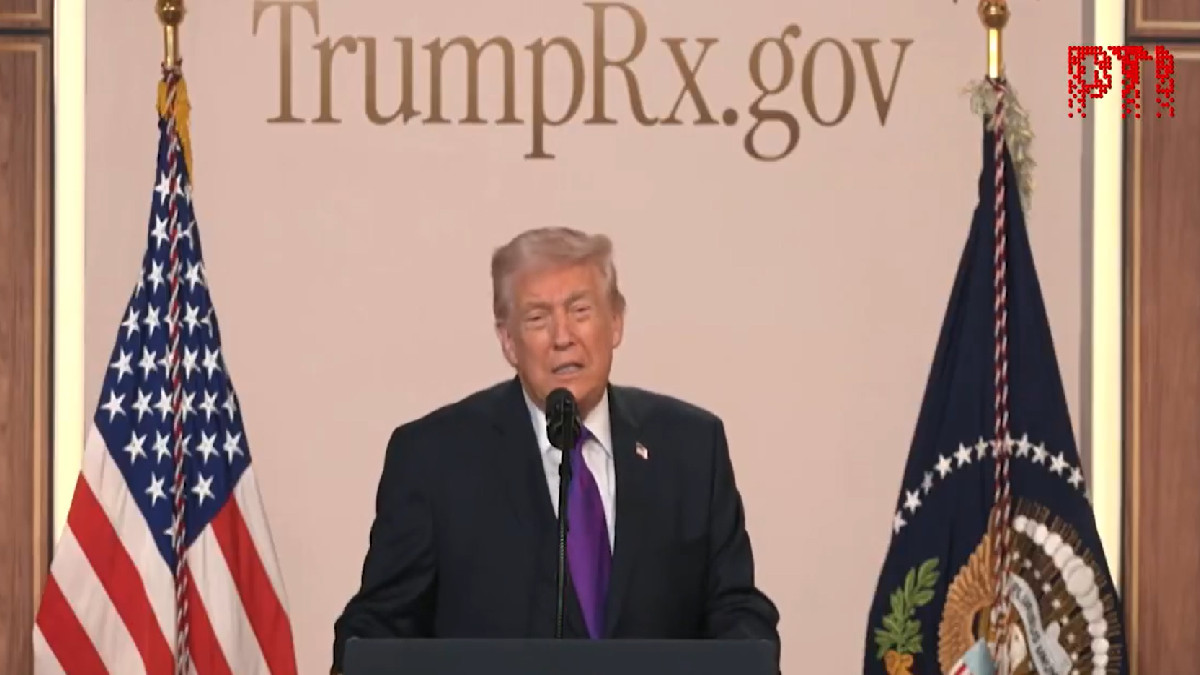
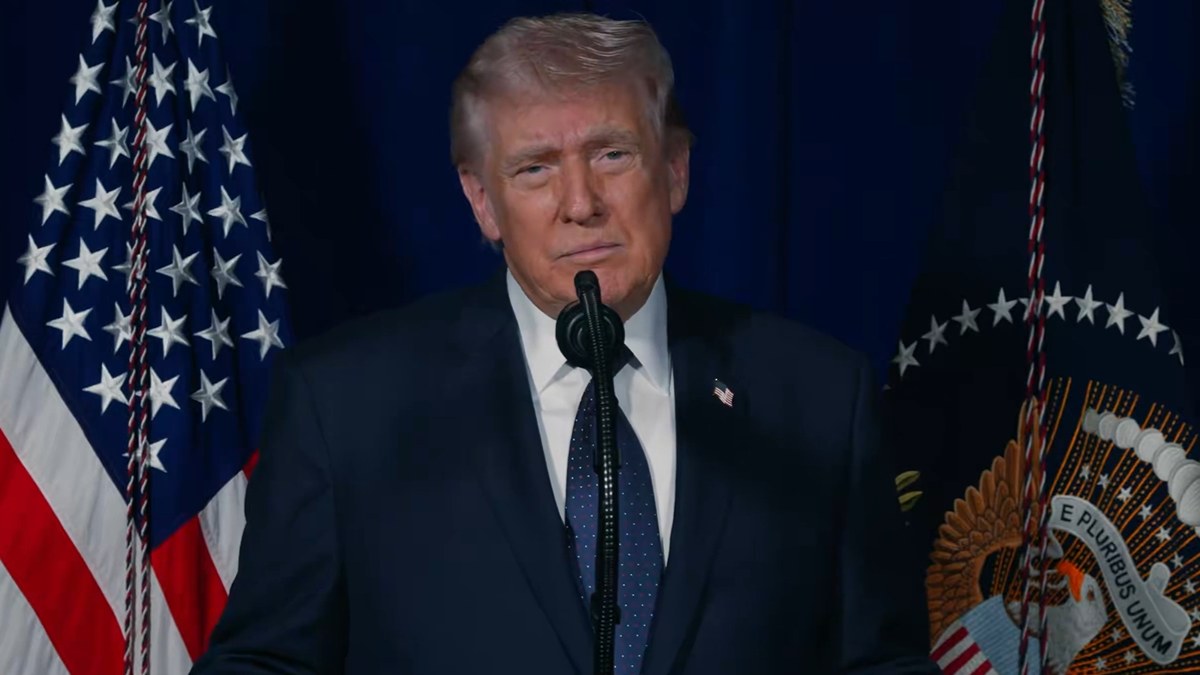
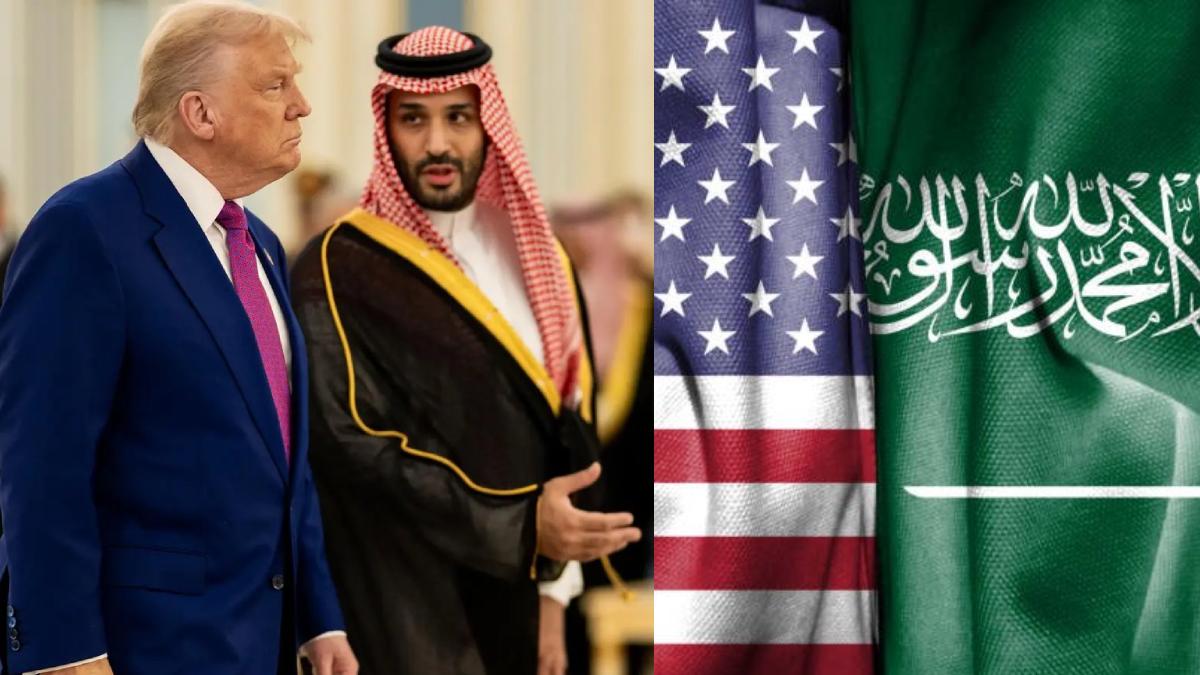
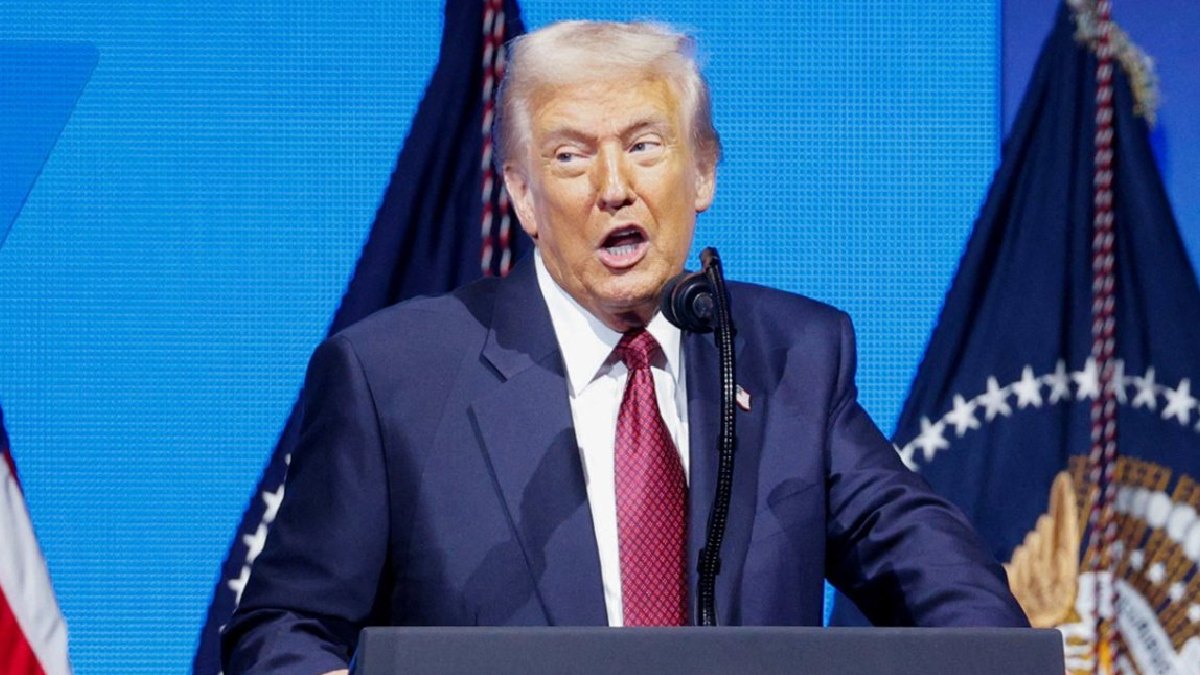
In the bitter aftermath, Trump has publicly told the UK and U.S. to “go get your own oil” with tensions on the strategically vital Strait of Hormuz and with global energy markets also tightening due to a rise in regional turbulence: in the case of Syria and Ukraine, for instance, he says the U.K. is not doing as much as they could and that he will make all our work in the deal at home to resolve the issues of the oil market.
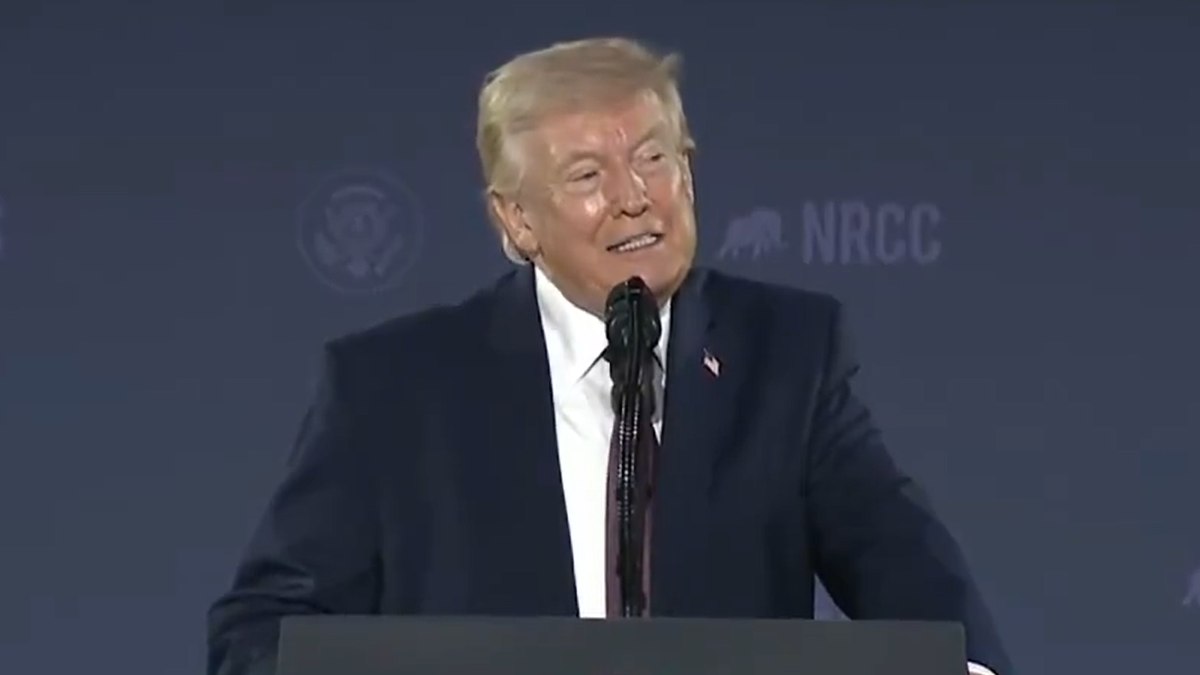
Trump’s own words are consistent with growing frustration at a level in Washington among the political class about the security of international shipping routes and the environment. The Strait of Hormuz is one of the most critical oil transit chokepoints and a growing share of global crude oil trade is in circulation through the canal every day because the supply is not free from the shipping flow via the region where it is most prevalent.
Such a comment is seen by many analysts as being a vote for isolationism and a sign that it means the US may reconsider its traditional obligation to defend international trade if allies don’t more actively take part. Trump’s comments have shaken down the mood among Western allies like the UK, which relies heavily on stable oil supply chains.
The timing does make the comment so significant, now the tension on the issue between Iran and regional powers is increasing and shipments of oil appear at risk. Oil prices have surged because tanker attacks, drone strikes and military expansion now have made the market nervous and would have consequences for international economies.
Energy experts warn that an unstable Strait of Hormuz could trigger a sharp rise in fuel prices, higher inflation and broader problems in the economy. It is particularly bad for countries that depend on imported oil, including many in Europe and Asia.
Moreover, Trump’s comments have resurrected concerns in the world’s diplomatic relationships of burden-sharing between allies. Allies might take more responsibility for their own energy security at least so that allies want more, that such rhetoric might dilute cooperation from the political climate and create some uncertainty for a rather weak geopolitical ecosystem at once.
Also, the markets around it are watching the situation closely and investors are very much listening with the investor community’s pulse on every event that affects oil supply and stocks will react to every report or event that may bring about an energy crisis in the world. Governments are also developing precautionary plans to prepare for any eventualities, and to make contingency plans for any emergency of strategic reserves and alternate methods of supply that may pose risks, such as oil.
As tensions persist in the region, Trump’s comment only creates a more complex equation on which to contend, but then Trump’s declaration heightens a difficult situation further. Whether it is really policy transition or only talk of political rhetoric for allies will be closely tracked by both allies and foes.