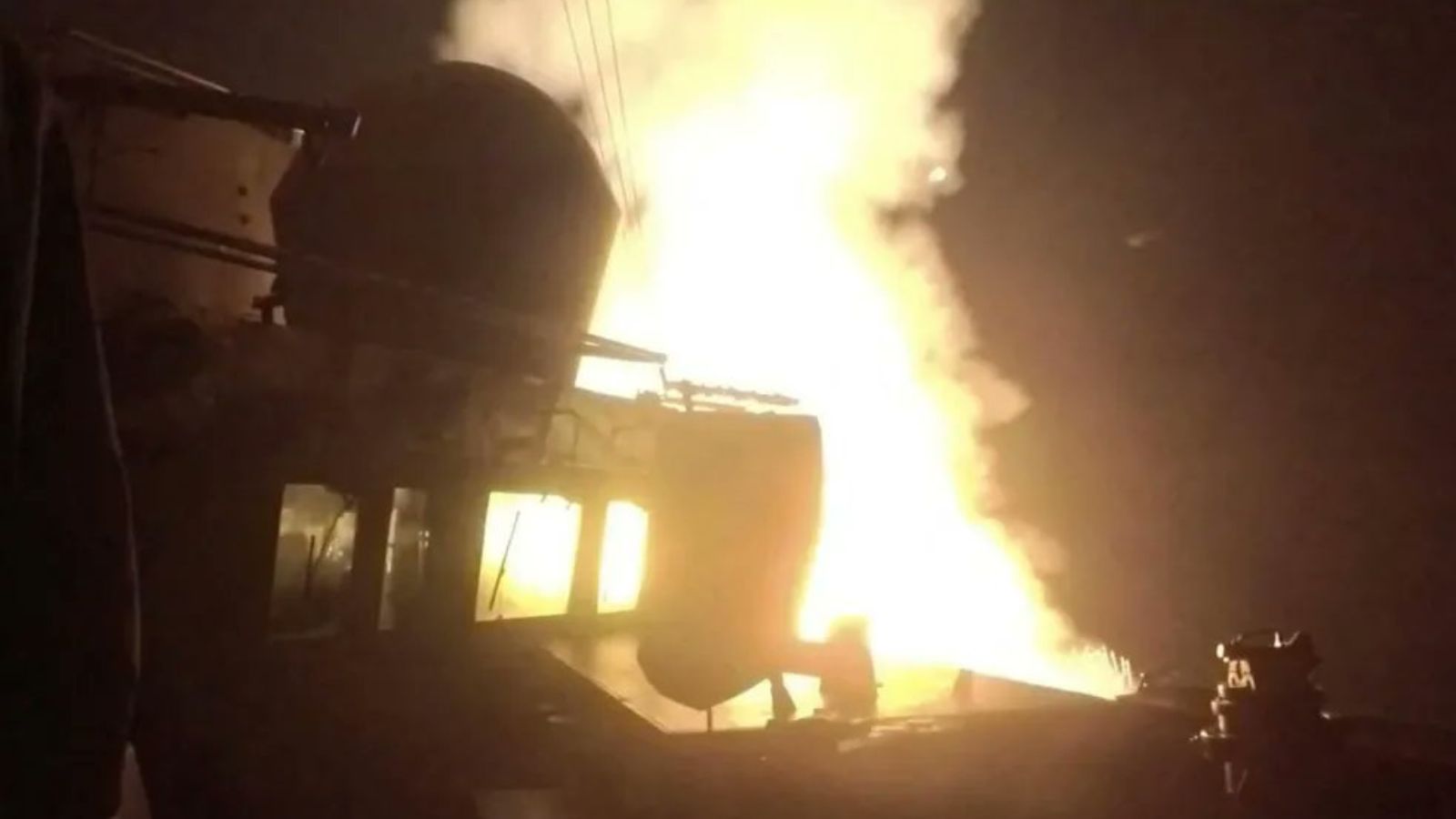
Trump has made an overdue step toward what will be called the most advanced missile defense system ever built by the president. The Defense Secretary Pete Hegseth declared Wednesday the first major test of the Golden Dome missile defense program was successful and that it was a step in the right direction in America’s effort to protect ourselves from increasingly sophisticated aerial threats.
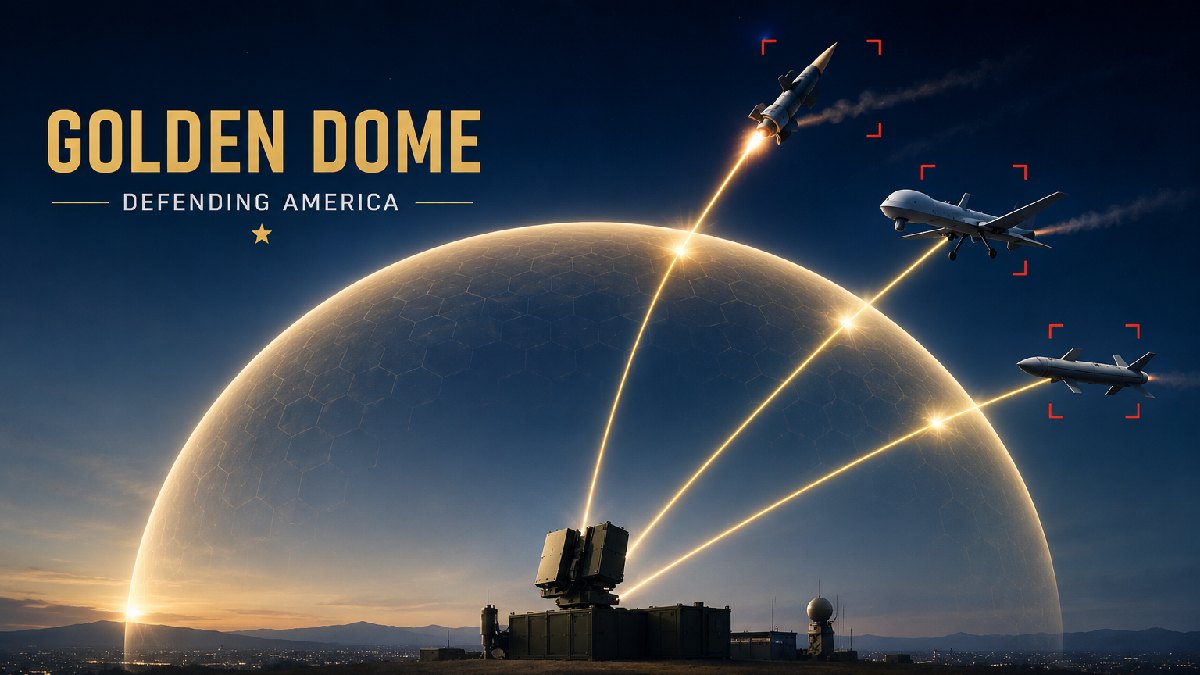
Hegseth said the test demonstrated the capabilities of the Dynamic Defense Autonomous Defeat (DDAD) system, which uses directed energy technology and autonomous targeting to detect and eliminate incoming threats. The system could detect and neutralize several simulated attacks, including drones and cruise missiles, with no human intervention, he said.
"Golden Dome is real, powerful and moving forward as planned," Hegseth said during the demonstration. In his speech, he praised U.S. military personnel and defense contractors for integrating cutting-edge technology to respond to threats in a real-time manner.
The successful demonstration is the clearest indication yet that the Golden Dome project is moving from concept to reality. Launched by the Trump administration in early 2025 as “Iron Dome for America,” it will be renamed Golden Dome and will be a nationwide integrated defense network that will be able to detect, track and intercept threats including ballistic missiles, hypersonic weapons, cruise missiles, drones and other advanced aerial systems.
The administration argues that rapid advancements in missile technology by rival countries have fundamentally changed the world security landscape. The official government documents do not identify adversaries directly, but military officers have often cited the increasing missile capabilities of China, Russia, North Korea, and possibly Iran as reasons for a more comprehensive homeland defense strategy.

Golden Dome is a “system of systems.” It would not rely on one weapon or defense system to protect itself, but it would integrate existing radar systems, space-based sensors, interceptor missiles, electronic warfare capabilities, and perhaps even space-based interceptors into a single shield. Current defense systems like Ground-Based Midcourse Defense (GMD), Aegis missile defense, THAAD batteries, Patriot systems, and advanced early-warning radars are expected to be the backbone of the network.
The most ambitious aspect of the project is directed energy systems. Unlike traditional interceptor missiles that cost millions of dollars per launch, directed energy systems can strike threats fast with the speed of light. Proponents of this technology believe they can contend with big drone swarms and low-flying cruise missiles that have become increasingly common in today’s war.
But even the optimism of the latest test is met with major hurdles. Golden Dome will cost around $175 billion, Trump has said, and he will make it operational before his term is over in 2029. Congress has already voted for a $25 billion budget for the project, but there are strong signals that the final price tag could be much higher, even if space-based interception systems come to be part of the project.
Technical challenges remain a stumbling block. Building a defense system capable of stopping hypersonic missiles, large-scale missile attacks and sophisticated decoys is still one of the most challenging military technology challenges. Creating a shield that can intercept all threats could be far more complex and expensive than what is currently being projected, experts warn.
There are also geopolitical implications from a technical and financial standpoint as well. That is, large-scale missile defense systems can tilt the global strategic balance, and lead to new arms races between rival nations as the threat of advanced weapons that bypass such defenses becomes more and more imminent. The same concerns were raised during the Cold War when President Ronald Reagan proposed his Strategic Defense Initiative (or “Star Wars”).
But supporters regard the successful DDAD test as a major breakthrough. With Space Force General Michael Guetlein leading development efforts and Pentagon officials racing to move forward, Golden Dome is now one of the most ambitious military programs of the 21st century.
Whether it will be able to fulfill Trump’s vision of a shield that is impenetrable is a matter of debate. But after its first major success in a test case, Golden Dome is well on the way to becoming a major component of America’s future defense strategy.