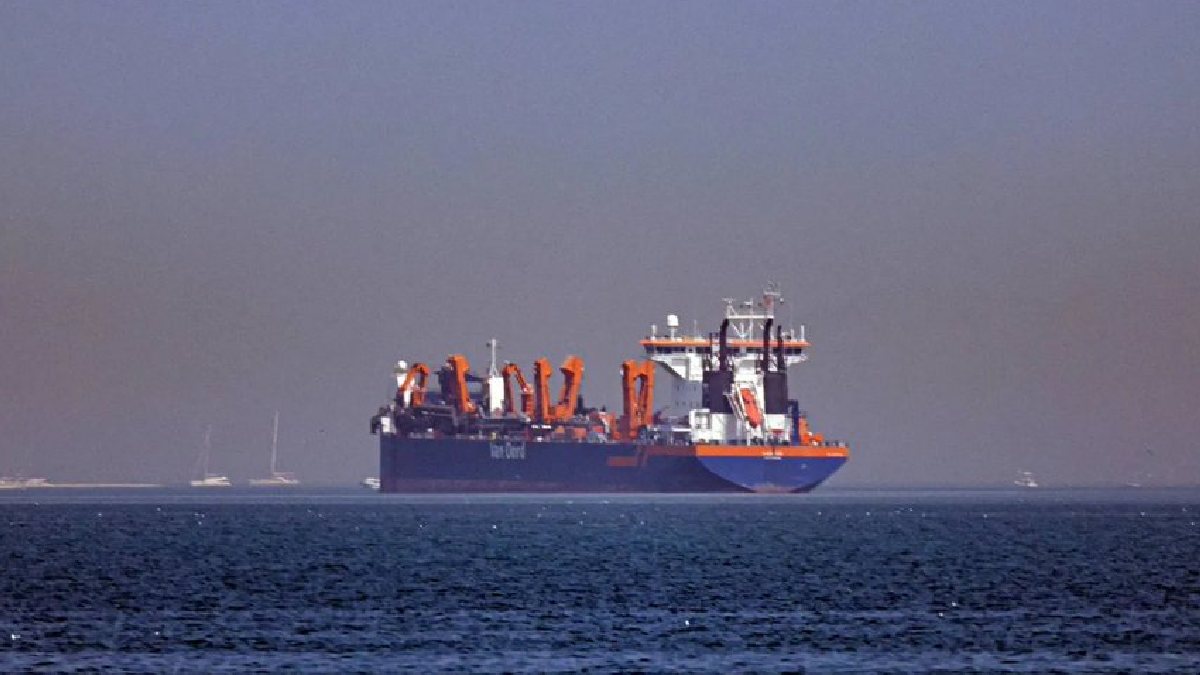
Iran has closed the Strait of Hormuz in another sign of growing tension between the two countries after U.S. military strikes. The Islamic Revolutionary Guard Corps (IRGC) issued a statement on its website protesting what it called “aggressive actions” from Washington. The maritime chokepoint where about one-fifth of the world’s oil flow passes has become the scene of yet another diplomatic crisis.
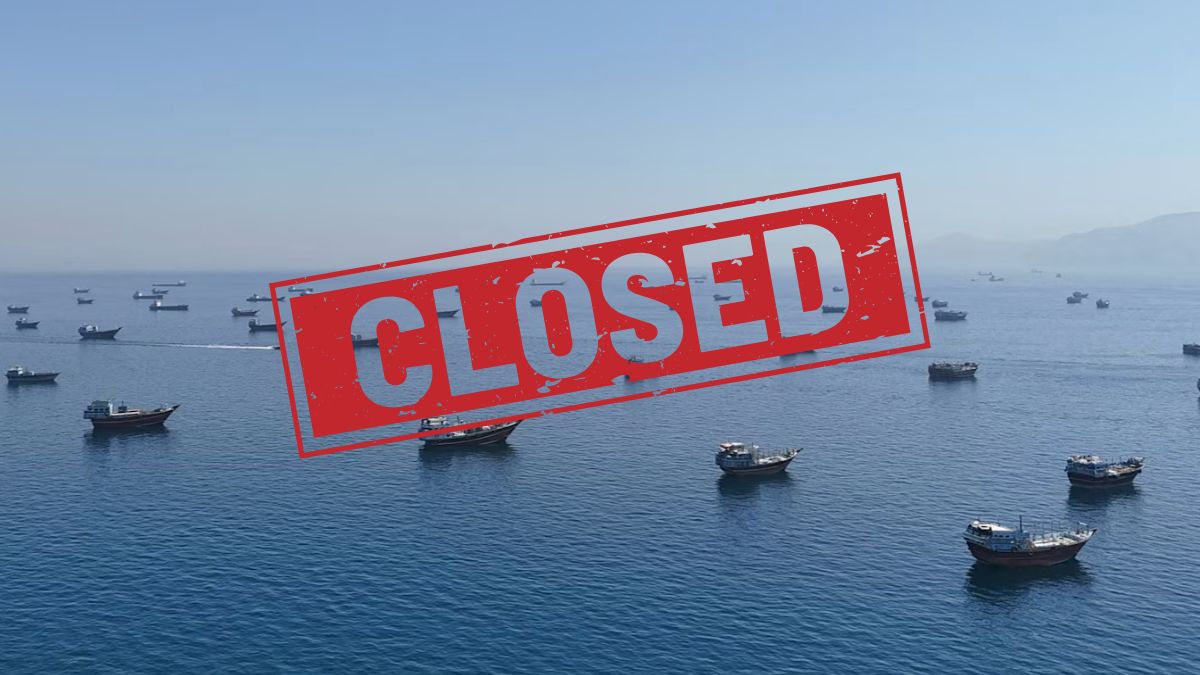
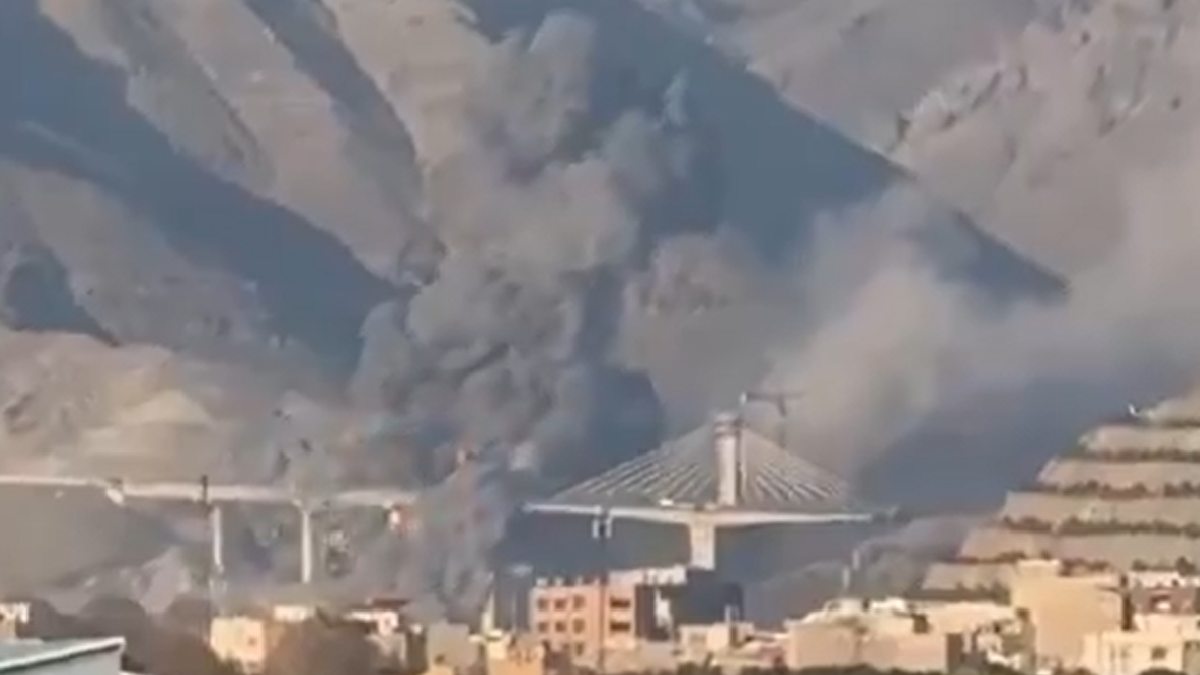
The announcement followed U.S. attacks on Iranian military bases, which Iranian officials said were violations of sovereignty. With that, Iran said all vessels would be banned from crossing the Strait and threatened to disrupt global energy supply. Iran’s state media dismissed the closure as a defense measure but Central Command (CENTCOM) in Washington said there was no disruption in commercial traffic through the Strait.
The markets took this as oil prices soared on Wall Street, as supply disruptions were feared. The threat of closure is enough to shake the world’s most pressing strategic asset: the strait, say some analysts, and even the threat of closure could shake the world’s markets globally. Energy experts said if there is a lack of stability, oil prices could rise up to as high as $100 a barrel, affecting economies around the world.
Several other neighboring states were worried about the escalation. Gulf states, so dependent on maritime trade, urged restraint and diplomacy to prevent a breakdown. Kuwait and Bahrain, two of the countries with U.S. military bases in the region, said they have increased security measures and contingency plans on how to protect their energy exports.
Iranian military commanders said they were prepared to respond to any further U.S. strikes with more aggressive regional action. Brigadier General Majid Mousavi, the IRGC Aerospace Force commander, warned that if the Strait of Hormuz is disturbed, it would “make the region into hell” for American forces. The rhetoric has put Iran’s military commanders on the brink of a wider war that could spread to neighboring countries.
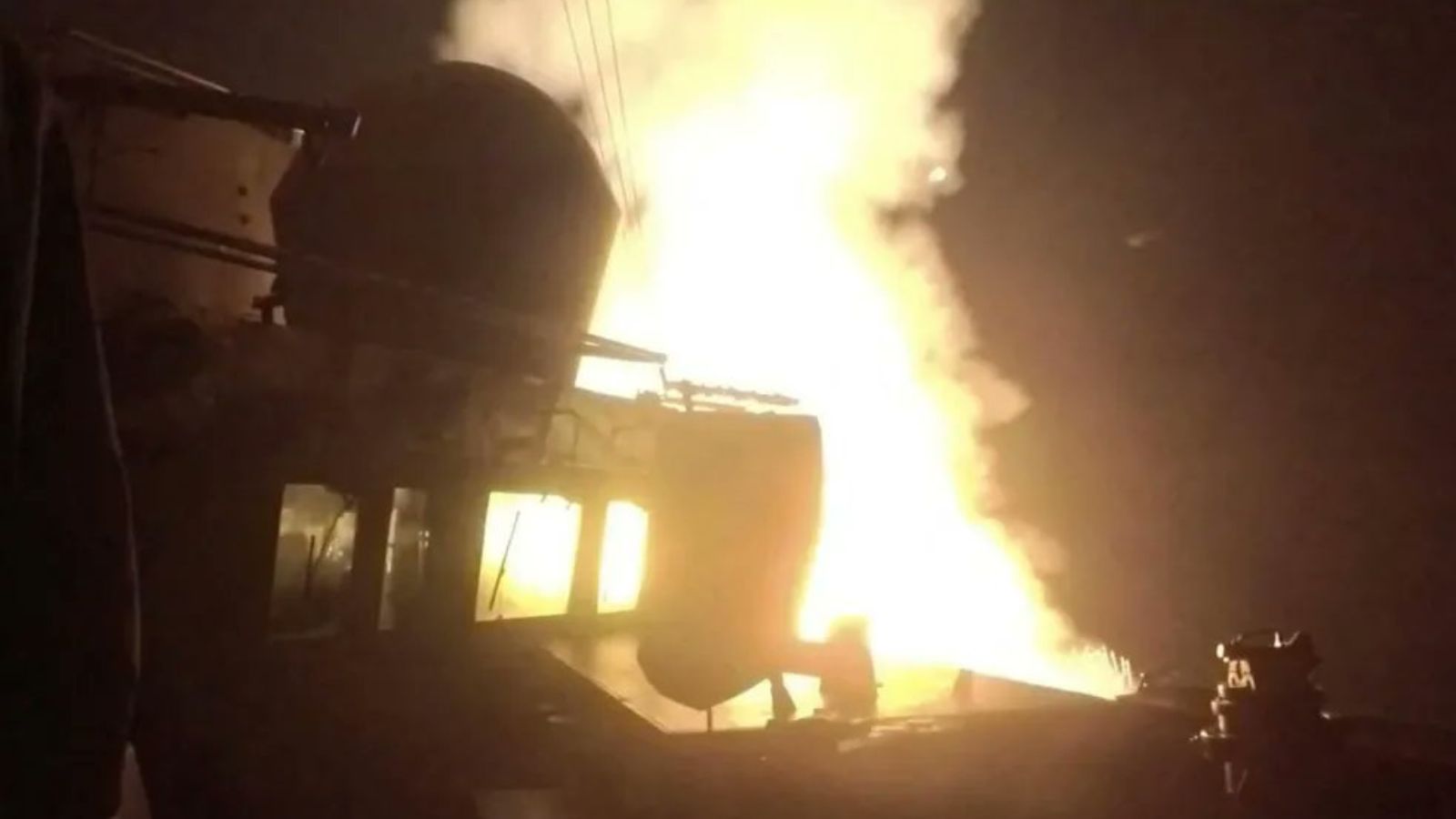
Finally, Iran’s announcement of closing the Strait of Hormuz is part of the unpredictability of U.S.-Iran relations and the threat to global energy security is the most immediate. Washington disputes the closure but the mere declaration has rattled markets and raised regional tensions. Over the next few days, the extent of the dispute will be crucial in determining if it will escalate into a larger conflict or be handled via diplomatic channels.