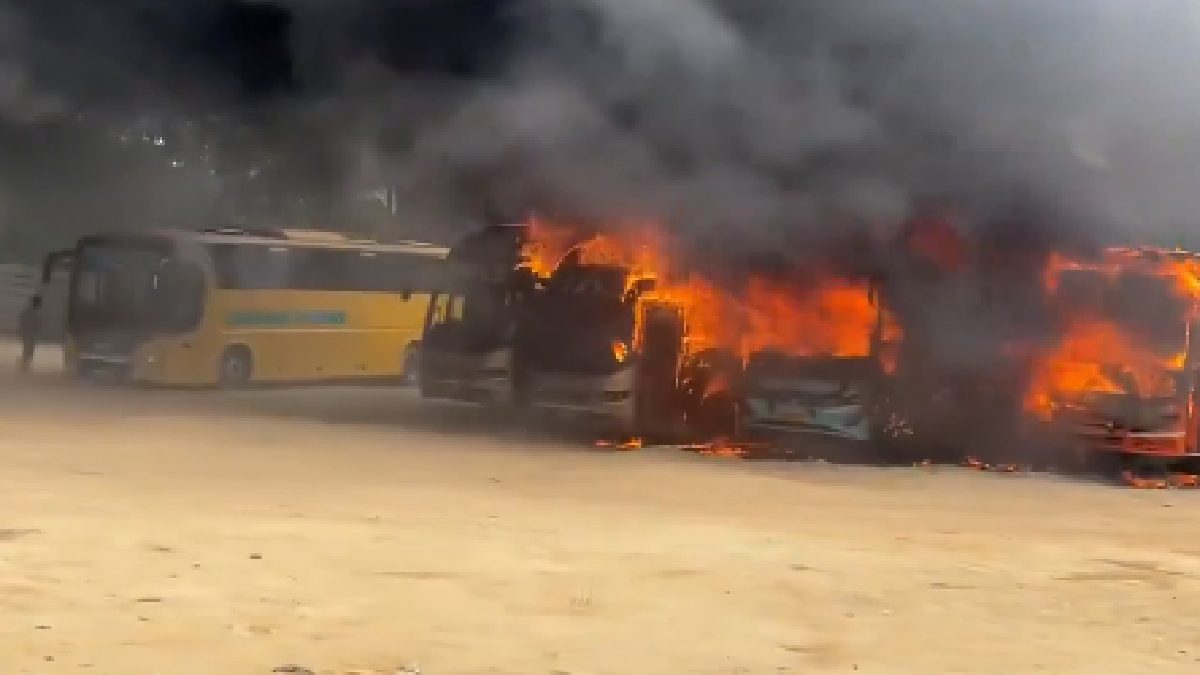
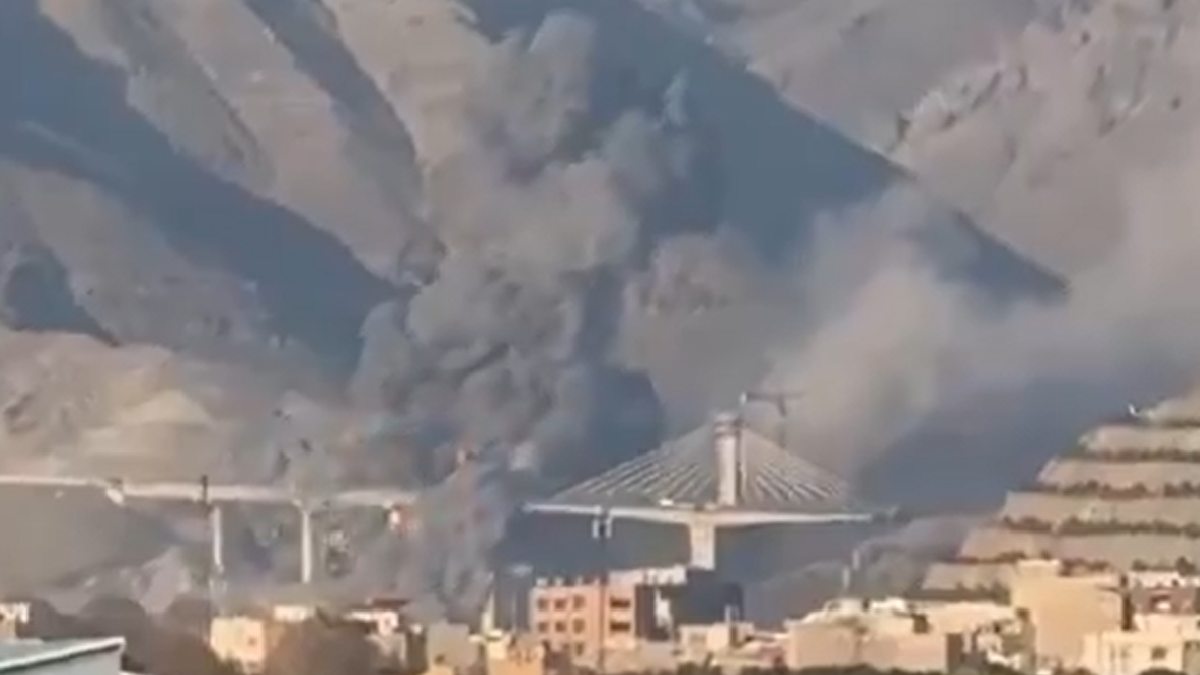
For the second consecutive day, Central Command (CENTCOM) of the U.S. military said it conducted “additional self‑defence strikes” against various targets in Iran, heightening tension despite a fragile ceasefire. Trump and his war secretary said the Islamic Republic would be hit “hard.”
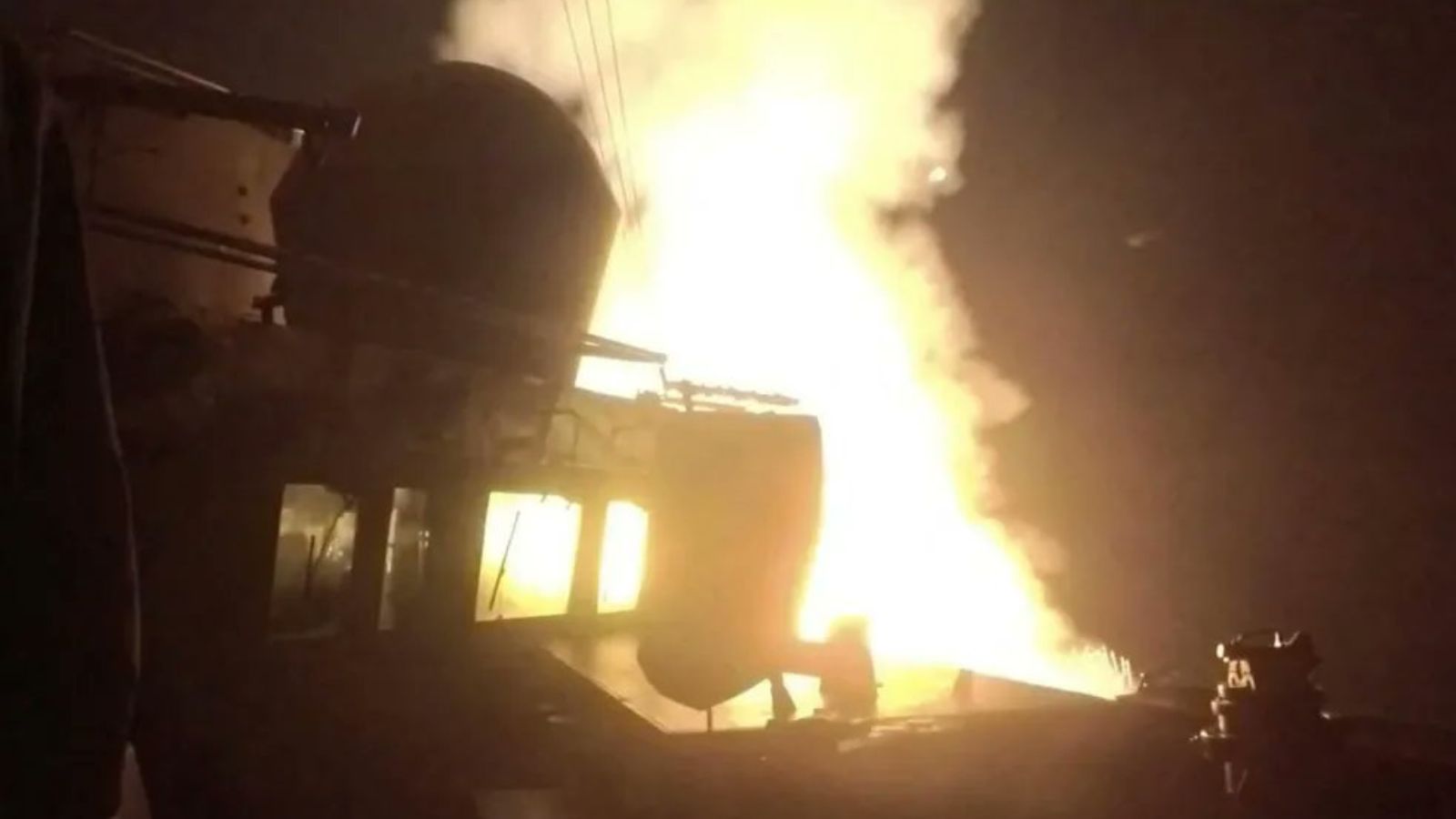
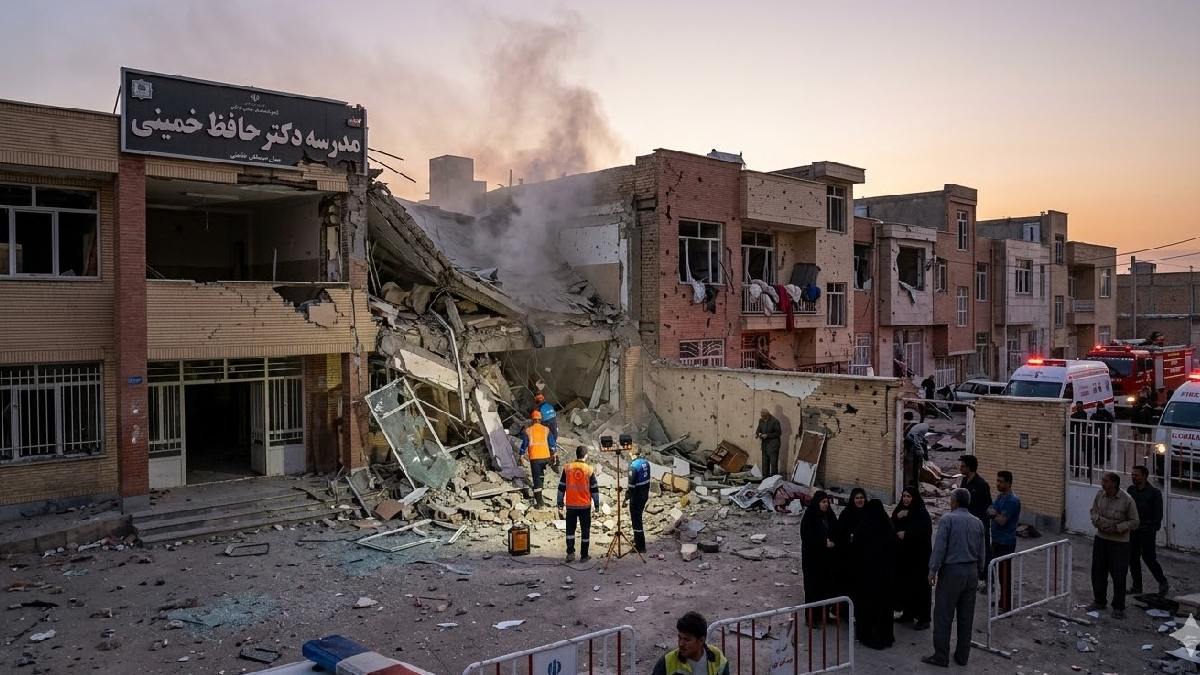
Local media reported that air defence systems were activated across southern Iran, with explosions heard in western Tehran, Fars province, Bandar Abbas, Qeshm Island, Kish, Minab, and parts of Isfahan. The attacks have strained the already tenuous ceasefire between Washington and Tehran.
In response, Iran’s Islamic Revolutionary Guard Corps (IRGC) announced strikes on U.S. bases in Kuwait and Bahrain. According to state-run IRNA, “two waves of operations” targeted 18 U.S. Army facilities—including Ali and Ahmad Ahmad Air Force bases, as well as Sheikh Isa air base. Iran also claimed that it attacked the U.S. Fifth Fleet at Bahrain.
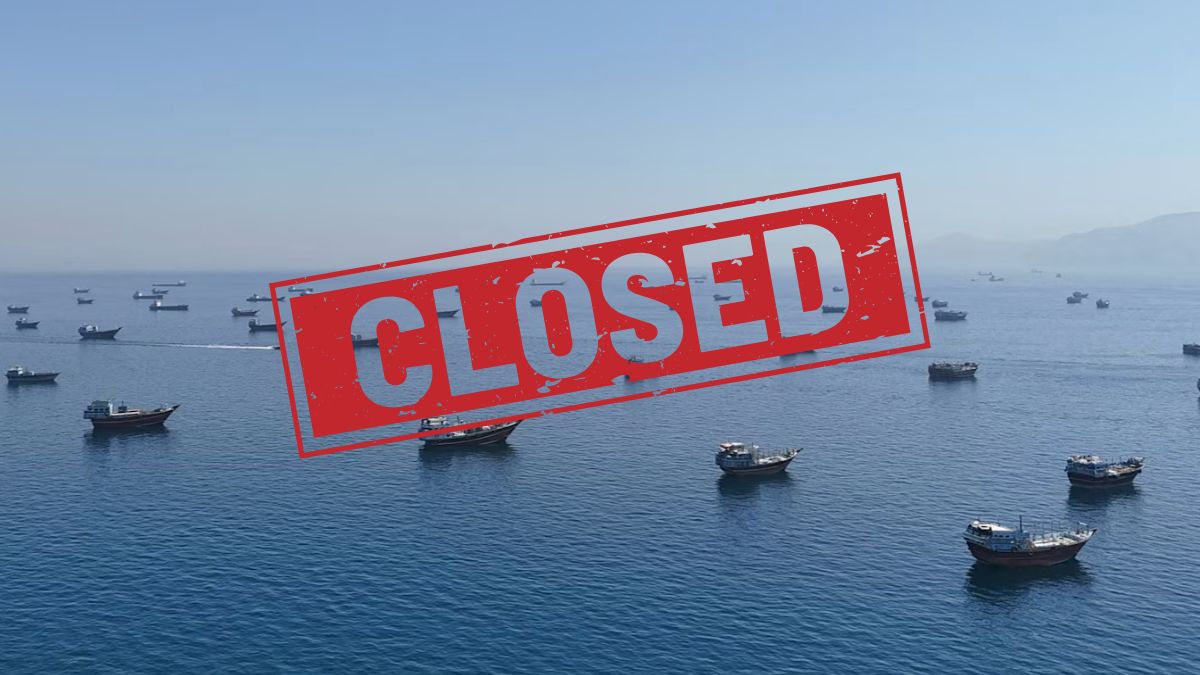
The IRGC also announced the closure of the Strait of Hormuz, a key chokepoint for oil shipments worldwide, to “all vessels.” But CENTCOM quickly rebuffed the claim saying “commercial ships are still shipping into and out of the Strait of Hormuz tonight,” effectively checking Iran’s claim.
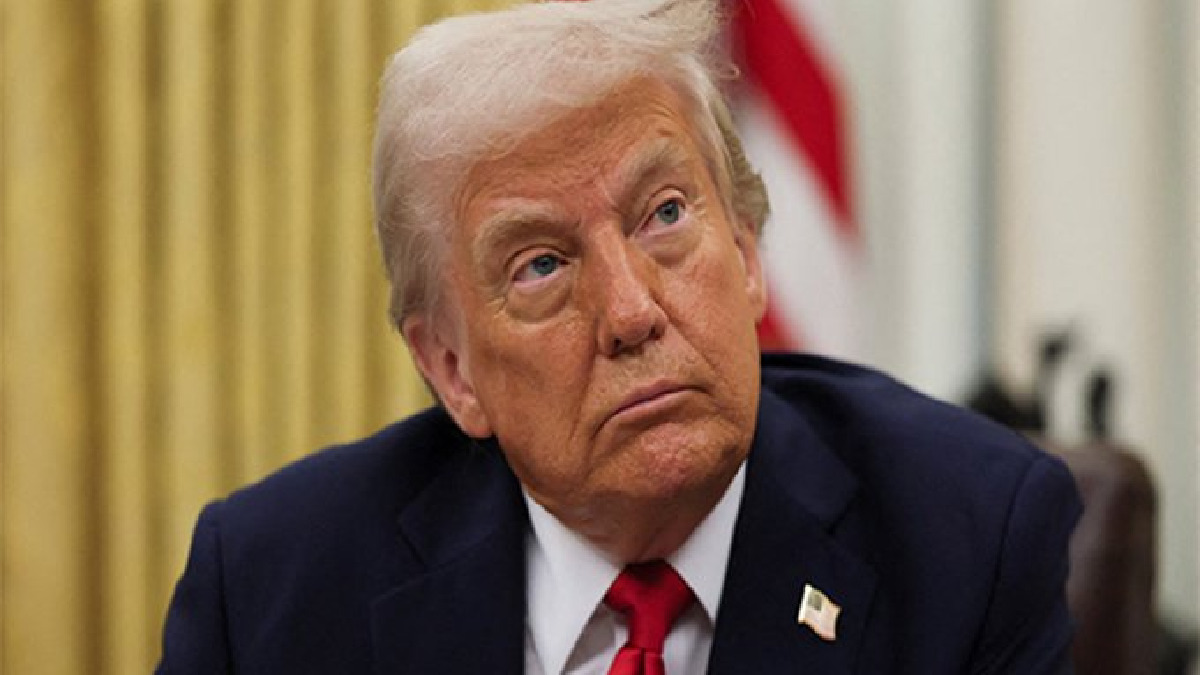
President Trump revealed on Fox News that 49 Tomahawk missiles were used in the latest strikes, several of which landed within 40 miles of Tehran. U.S. fighter jets were operating over Iranian skies, he said, attacking radar and air defence systems in the Persian Gulf. Trump also said senior Iranian officials had contacted him to ask for a halt to the bombings, but Iranian media denied that.
As well, IRGC Aerospace Force commander Brigadier General Majid Mousavi warned that Iran would respond throughout the region if the Strait of Hormuz were destabilized, vowing to “bring the region into hell” for U.S. forces.
The strikes triggered air raid sirens in Bahrain, and officials told citizens to seek safety. Kuwait’s army confirmed it had intercepted “hostile aerial targets” and advised residents to follow official security guidelines.
The U.S. strikes have deepened the conflict and Iran is coming back with more aggressive strikes against American bases and sending threats over the Strait of Hormuz. CENTCOM does not say that maritime traffic is affected and says the situation is not serious but shows the volatility of the conflict and potential for regional chaos and global energy flow to be affected.