The grace period of 60 days for H-1B visa holders still exists. And despite the recent fears of its future, no official end is in sight.
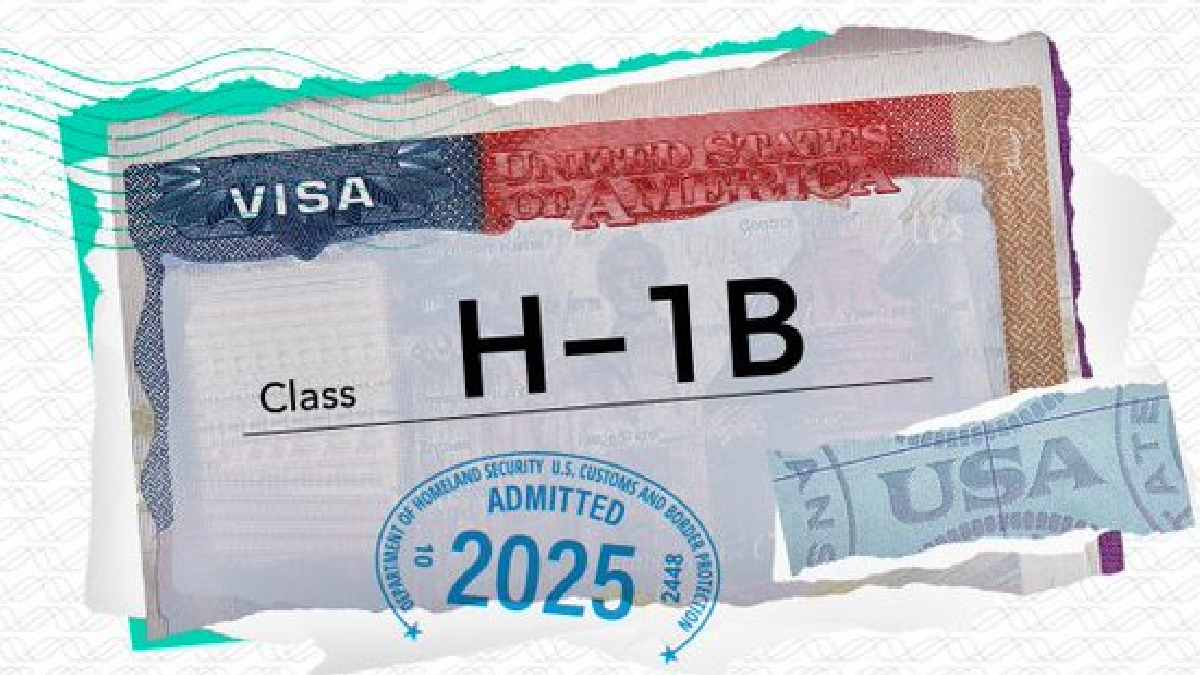
The problem is that the uncertainty of whether workers who lose their jobs will now have to take those 60 days to find another job is still very high.
For years, the rule has given H-1B workers a limited window after their employment ends. In general, eligible workers have up to 60 consecutive calendar days to find a new sponsoring employer, change their immigration status or prepare to leave the United States.
The provision has been in place since 2017 and will be in place in 2026.
But immigration lawyers and workers who are affected are paying close attention to what happens in the 60 days.
The 60-day Rule Still Works
As for the basic rule: once the H-1B employment ends, an eligible worker can usually receive up to 60 days or the remainder of the authorized stay shown on the I-94, whichever comes first.
That clock is tied to the end of employment instead of when the worker gets their last paycheck. Severance payments, benefits or other arrangements with an employer do not automatically add more time to the grace period.
And there is another very important point: the grace period is discretionary. It is not an unconditional guarantee that every worker will receive the full 60 days.
So the employment end date can be very important for a layoff.
Why workers are worried in 2026, the report says
The main concern is not that the grace period has been formally removed. It is rather the increased focus on immigration enforcement and the possibility of receiving a Notice to Appear, or NTA.
An NTA is the document that can begin removal proceedings in immigration court.
The reports and legal industry discussions have raised concern about H-1B workers receiving NTAs while they were still in the grace period or had already taken steps to maintain lawful status or had already gone through the process to be allowed to stay in the United States.
In some cases, the worker may have already applied for H-1B transfer or other immigration application but is still being asked about their status when they file for H-1B transfer, which in some cases comes with the application.
Processing delays may also contribute to the confusion
There is also the fact immigration records and filings aren’t always moving through the system at the same pace.
A former employer may inform U.S. Citizenship and Immigration Services (USCIS) that an H-1B worker's employment has ended, while a new employer's transfer petition is still being processed.
If information in different parts of the system has not been updated or reviewed at the same time, questions about a worker's status can arise before an officer has considered a pending filing.
That doesn’t mean the worker has broken immigration rules. But uncertainty can make the situation worse at a time when the employee is already in a position to get another job.
What should H-1B workers do after a layoff
The safest thing to do is to take the 60-day period as a deadline and not as breathing room.
Workers who know their employment is ending should document their last day of work and keep copies of relevant employment and immigration records. If they find another H-1B-sponsored position, the new employer needs to move quickly on the required petition.
Some workers also may consider premium processing when it is available and appropriate but processing options and eligibility may differ.
If a job can’t be found, other options might be available in immigration, too. Some workers can even consider a transition to B-2, for example, but it should not be taken as an automatic solution.
The Bottom Line
The H-1B 60-day grace period has not ended. The rule is still part of the immigration framework today.
What has changed is the level of caution about its use. And with layoffs, immigration filings and enforcement actions creating more uncertainty, H-1B workers cannot afford to take this 60-day period casually.
If accurate records are kept and quick action is taken by the employee after employment has ended, and a licensed immigration attorney is consulted, then workers can make decisions to stay compliant and avoid mistakes.
The grace period could still provide 60 days on paper but for many H-1B workers, those days can pass very quickly.
This is just general information and not legal advice. Different immigration laws apply to different situations. If there is a person who has an H-1B job or status in question, it is best to consult a licensed immigration attorney.