Rice shoppers in Karnataka are getting another price shock from a retail price increase for several different types of rice, as retail prices of various types of rice have increased again. A price hike in various types of rice is even more painful at a time when households are already experiencing higher prices of many essential food items like vegetables, pulses and cooking oil (see below).
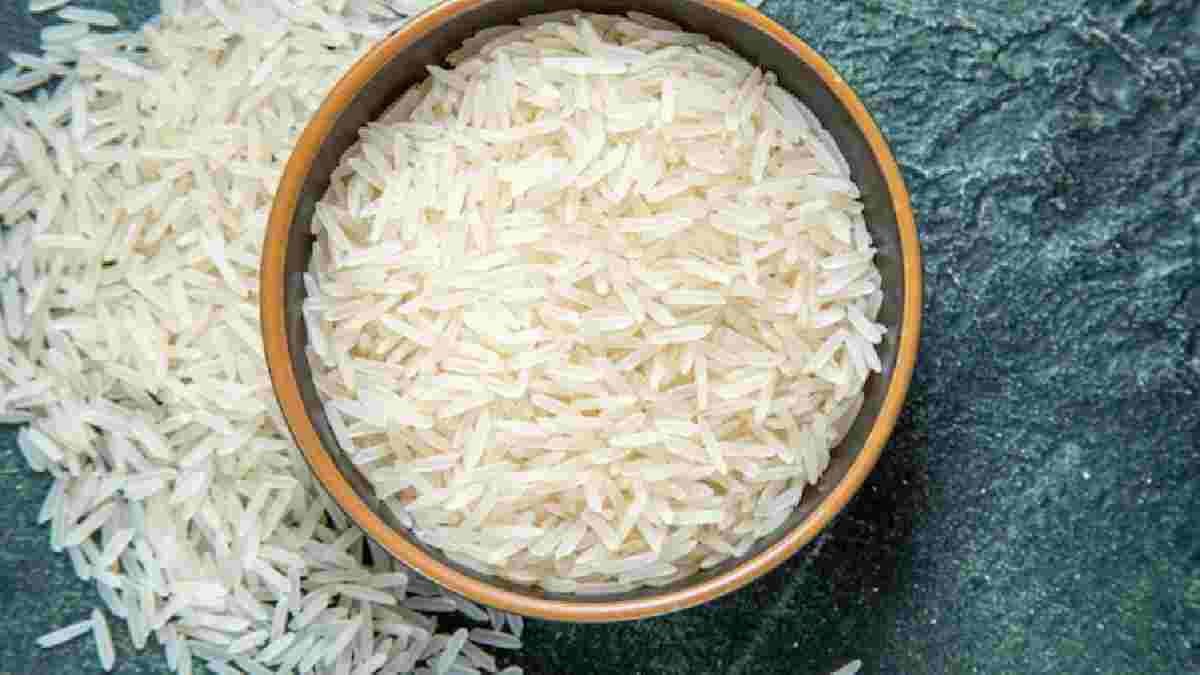
Rice prices are up for the second time in a month. But what has caught consumers’ attention is that rice prices have increased for the second time in a month. Trading groups reported a rise in the prices of many kinds of rice that are widely consumed by households across Karnataka over the past week.
Among the wide varieties, Kolam rice has experienced the sharpest increase. Its price has climbed from about ₹75 per kg to ₹100 per kg, with an increase of ₹25 per kg. Sona Masuri rice has been more expensive and is now around ₹68 per kg to ₹82 per kg.
Jeera Samba rice, which is generally seen as a premium variety, has seen a marked increase. The traders say it was around ₹180 per kg four days ago and now it is about ₹200 per kg.
Steam rice has also become costlier as the estimated price has ranged from ₹68 per kg to ₹75 per kg.
Rice prices increased earlier this month as well
The price increase comes shortly after another increase in Karnataka's rice market on September 15.
At that time, the price of normal varieties of rice increased by about ₹5 to ₹10 per kg, while quality varieties increased by about ₹10 to ₹20 per kg.
The increase was not limited to retail prices. The price of a quintal of rice reportedly went up by around ₹1,000. Rice sack prices also increased, with normal rice sacks costing around ₹200; quality rice sacks were reportedly raised by ₹250 to ₹300.
The increase has only added to consumers’ (and retailers’) uncertainty about the direction of rice prices in the coming weeks.
Current Rice Prices in Karnataka
Based on the rates mentioned by traders, the prices of some varieties are currently as follows:
| Rice Variety | Earlier Price | Current Price | Increase |
|---|---|---|---|
| Kolam Rice | ₹75/kg | ₹100/kg | ₹25/kg |
| Sona Masuri | ₹68/kg | ₹82/kg | ₹14/kg |
| Jeera Samba | ₹180/kg | ₹200/kg | ₹20/kg |
| Steam Rice | ₹68/kg | ₹75/kg | ₹7/kg |
These rates are indicative and can vary depending on the brand, quality, grade, location, retailer, and prevailing wholesale market conditions.
Why are prices of rice rising?
One of the drivers of the recent rise in agricultural production costs has been agriculture, which is one of the reasons given by traders for the above-mentioned increase in agricultural production. Many parts of Karnataka have been reported to have been experiencing inadequate rainfall, where irrigation and rainfall are crucial for crop growth and yields.
A decline in production or yield can reduce the amount of paddy entering the market. If supply is falling while demand is steady, wholesale and retail prices can rise.
However, the final retail price of rice depends on a number of things such as procurement costs, transportation costs, milling and processing costs, stock levels, quality and local demand.
The arrival of fresh crops to the market will also be key to pricing in the coming weeks. Improved supply could ease pressure on prices, while continued supply constraints could keep prices elevated.
Impact on Household Budgets
Rice is a staple food for many Karnataka households, and a slight increase in its price can impact monthly grocery budgets.
For middle-income and lower-income families, continued increases in a short period can add to the cost of household consumption. So consumers may be watching retail prices closely and comparing varieties and brands while making their purchase.
With some varieties experiencing price increases in days, the next phase of the market will depend on rainfall conditions, crop yields, fresh arrivals, wholesale supply, and consumer demand.
For the time being, though, the repeated rise in rice prices has been an added cost for consumers already paying higher household grocery bills.