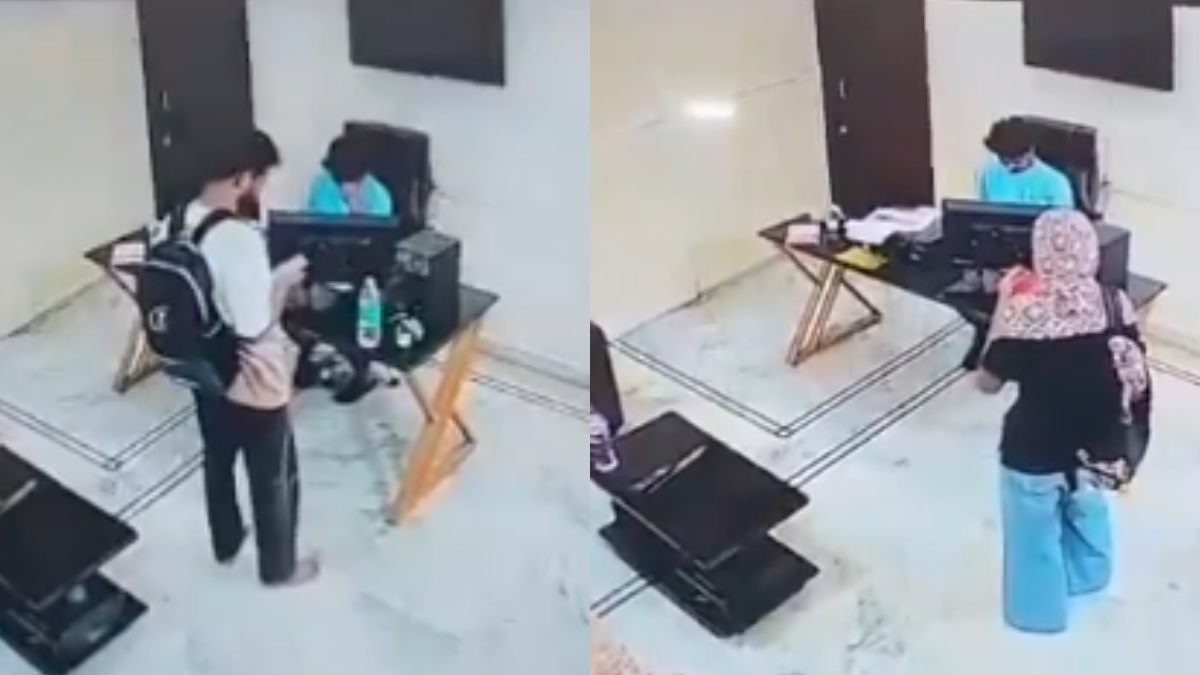
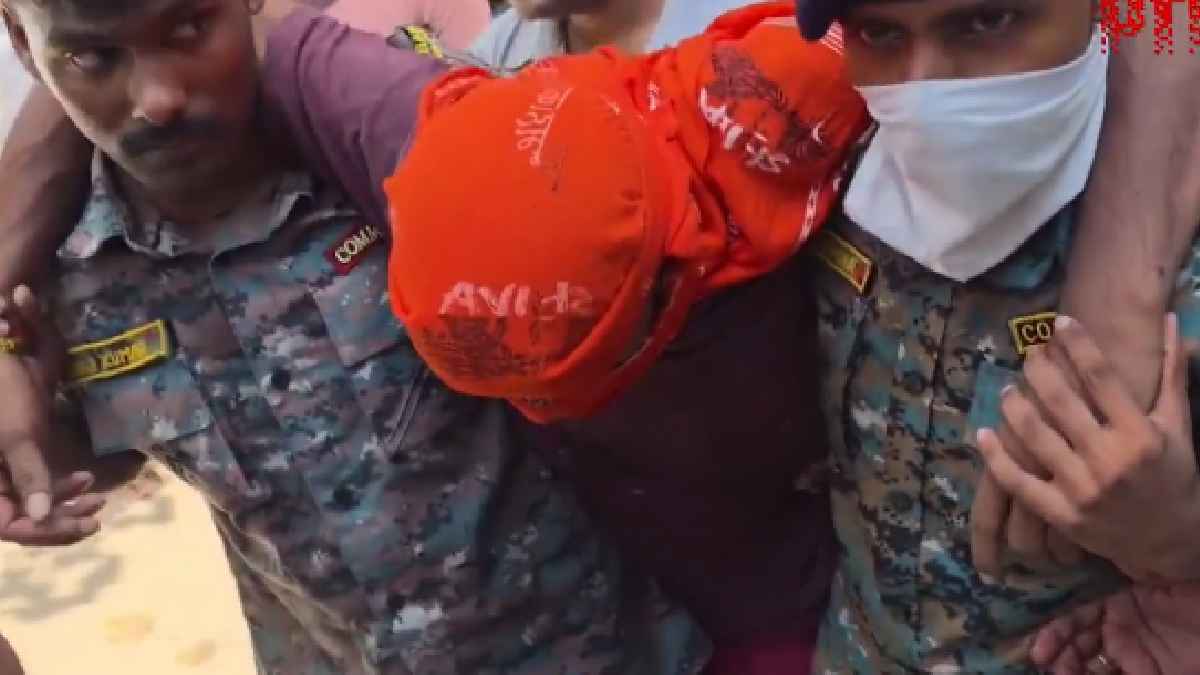
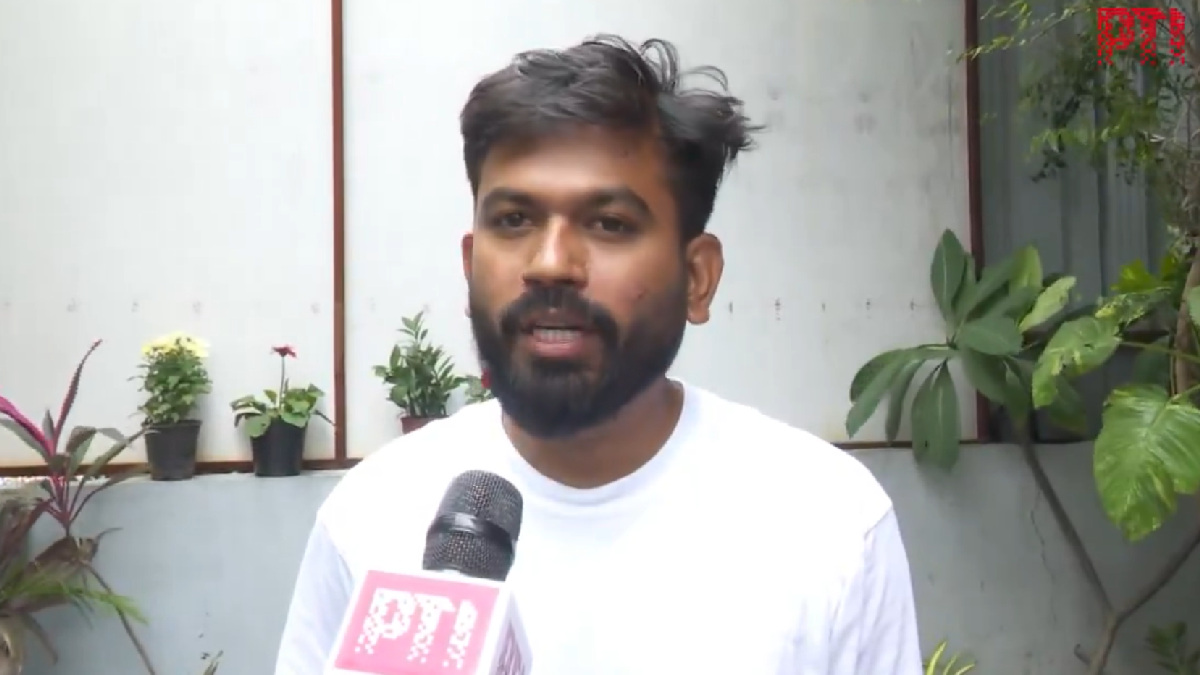
A visit by Cockroach Janta Party youth activists to the government schools in Noida and Greater Noida turned into a discussion of school security, visitor verification and public oversight. The activists had visited the schools as part of the School Theek Karo campaign - a school-based initiative to examine sanitation facilities, infrastructure and basic facilities for students that they want to be able to use. But the group, as school staff said, refused to enter the school without proper identification and prior permission.
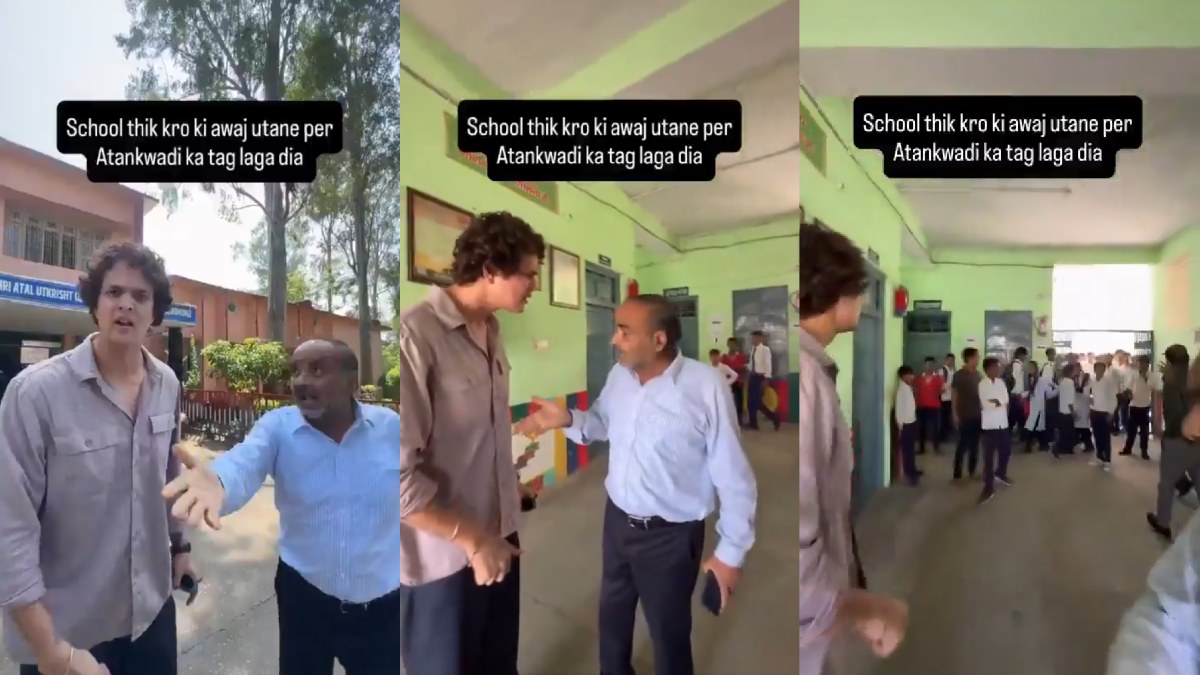
The campaigners were out looking at facilities and trying to raise awareness of problems that could affect students and teachers. Cleanliness of school premises, basic infrastructure and the general conditions in which children are educated were the focus, they said. Inspections can raise awareness of issues which are otherwise hidden in government-run institutions where infrastructure and maintenance are the subject of public debate.
But school staff remained cautious in taking the unannounced visits. Teachers and staff members were said to have questioned the activists’ identities and refused to let them in without proper verification. That came at a time when there are rising fears of danger for students and staff after a horrific shooting incident in a school in Lakhimpur Kheri when an intruder apparently entered the premises of the school and killed a teacher.
The incident has raised awareness of controlling access to school campuses. Schools have to balance the need for genuine visitors, parents, officials and community representatives to get to school; for a parent to get in the school and meet with children; and for a parent to be outside and not see children. The school staff look at identifying the individuals before they let them in and their security must be good.
Cockroach Janta Party activists, meanwhile, took their campaign to focus on the state of government schools. At least in the ‘School Theek Karo’ campaign the focus is on the everyday problems like sanitation, infrastructure and basic facilities. Visiting schools was the activists’ attempt to see things in the field, rather than just following official statements and existing reports.

The battle between the campaigners and school staff therefore highlights two issues. School staff are on the one hand asking for greater public scrutiny of educational infrastructure; school staff are on the other hand asking for schools and staff to prevent pupils and staff from being assaulted or bullied for any reason. Both are very relevant if school visits are made without prior notification.
But teachers’ insistence on identification has been supported by those who argue that school security should take priority when unknown people arrive without prior notice. The Lakhimpur Kheri shooting has only added to such concerns, so schools are being more cautious about who is allowed to visit their buildings.
Bravo, teacher !!!!
— Rishi Bagree (@rishibagree) September 22, 2026
No one should let any Tom, Dick, or Harry walk into a school without proving their identity.
The school is responsible for student safety.
A teacher has every right to ask for a govt-issued photo ID. pic.twitter.com/xSmfrcfPJX
At the same time, the episode has raised questions about how citizen-led inspections and campaigns might interact with schools. If activists or community groups want to look at infrastructure, working with education authorities or school administrators might be a way of doing so without compromising security protocols. A formal process would also help schools to distinguish legitimate inspections from unannounced visitors.
The Noida and Greater Noida developments highlight the changing security environment surrounding educational institutions. Schools will continue to be accessible to authorized stakeholders but will be subject to tight control over entry. As schools tighten visitor verification procedures, campaigns such as ‘School Theek Karo’ will have to follow established procedures to perform their inspections.
So this episode has brought school infrastructure and school safety into the same conversation. Campaigns that highlight sanitation and facilities are good, yes, but schools are responsible for the safety of students and staff. So for authorities the challenge will be to create systems that allow for genuine oversight and community engagement and not compromise security checks.