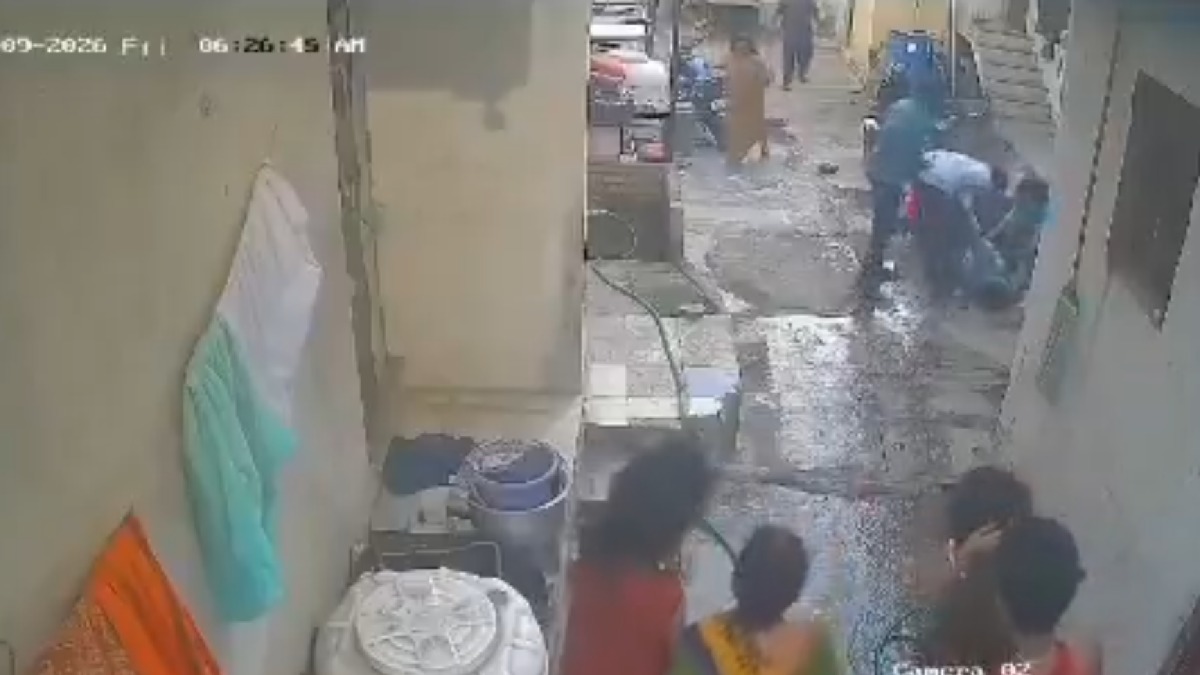
At the start of a disturbing undercover investigation, serious failures in infection control at THQ Hospital Taunsa have been uncovered, which has reportedly tied unsafe medical practices to a large-scale outbreak among children of HIV.
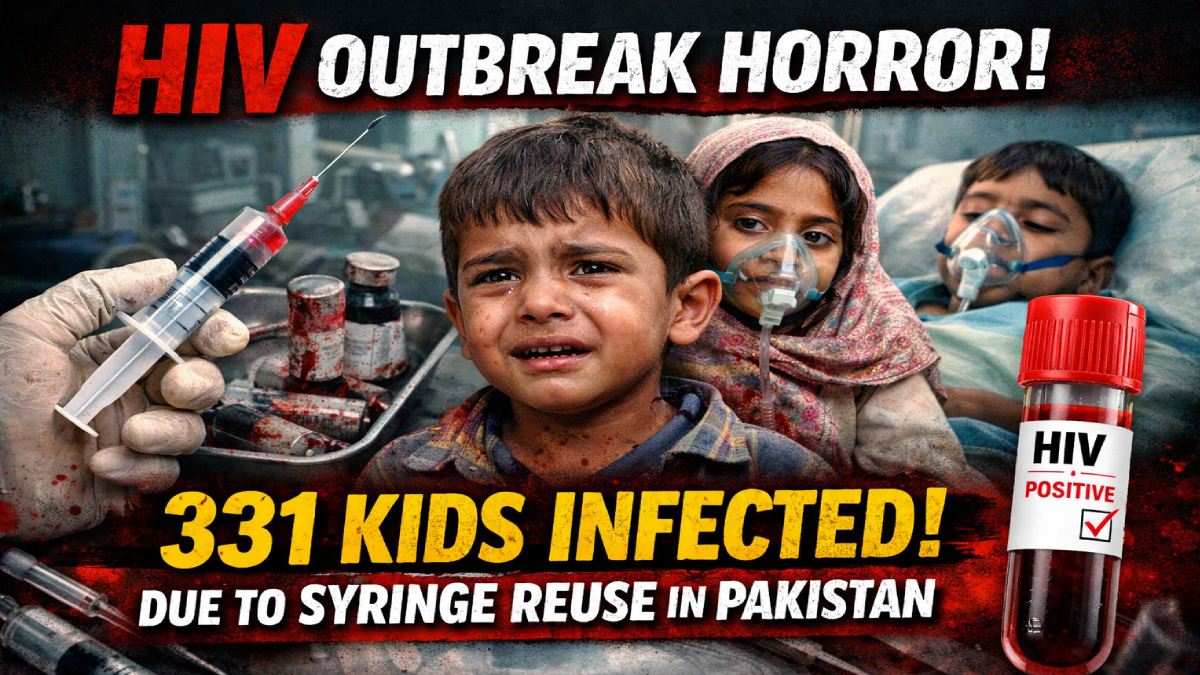
At least 331 children tested positive for HIV from November 2022 till October 2023, according to the report, raised concerns about how safe health care is in the area. The outbreak came to media attention when Dr. Gul Qaisrani noticed a sudden and extraordinary rise in HIV infections among children in late 2022.
This led to additional research on potential causes. Initial data also strongly indicated that the infections were not primarily related to mother-to-child transmission. Of 97 families tested, just four mothers were HIV-positive, pointing to outside factors — especially unsafe medical practices.
The investigation was tied to more than 32 hours of undercover filming inside the hospital and brought to light shocking breaches of basic hygiene and safety procedures. Members of staff were accused of repurposing syringes in multi-dose vials, giving injections without the sterile gloves used by the doctors, and improperly disposing of medical waste.
One particularly distressing incident involves a nurse, we are told, who picked up a used syringe with any remaining liquid and gave it to a colleague to take back for use. Experts say those practices are wildly dangerous, even after they are removed from the patient. Although a new needle can be installed, reuse of the same syringe body can carry blood-borne infections, such as HIV, hepatitis B and hepatitis C.
Syringes that have been infected can infect entire medication vials with risk for multiple patients in an abbreviated time. Injecting unsafe substances is recognised as a major catalyst of infectious disease spread, most seriously within resource-poor healthcare settings.
Tightly developed world medical rules absolutely prohibit any reuse of syringes or needles. But failure to have a plan, because of unpreparedness in training, a lack of money or negligence, can result in calamity, like what happened in this case. The hospital authorities have denied the existence of any wrongdoing in spite of the available evidence.
Dr. Qasim Buzdar disputed the content of the video, insisting that all procedures comply with safety regulations at the facility. But public health officials claim the evidence and scale of the outbreak show deeper systemic failures that demand immediate action.
This event has raised international alarm and demonstrated the necessity for heightened enforcement and compliance with infection control, and healthcare worker retraining, as well as healthcare institutions’ accountability. For a patient and a family, the virus is also a must-immediately reminding them to monitor and report unsafe methods.
For every injection, it will be given new syringes. One tragedy of basic medical sanitation failure shows how the end result was catastrophic. To prevent the crisis from happening again, health care systems need to be more robust and security protocols should be strengthened.