Tensions in the Middle East have intensified further after Yemen’s Iran-backed Houthi rebels reportedly targeted two oil tankers in the Red Sea and raised fears of a wider regional conflict.
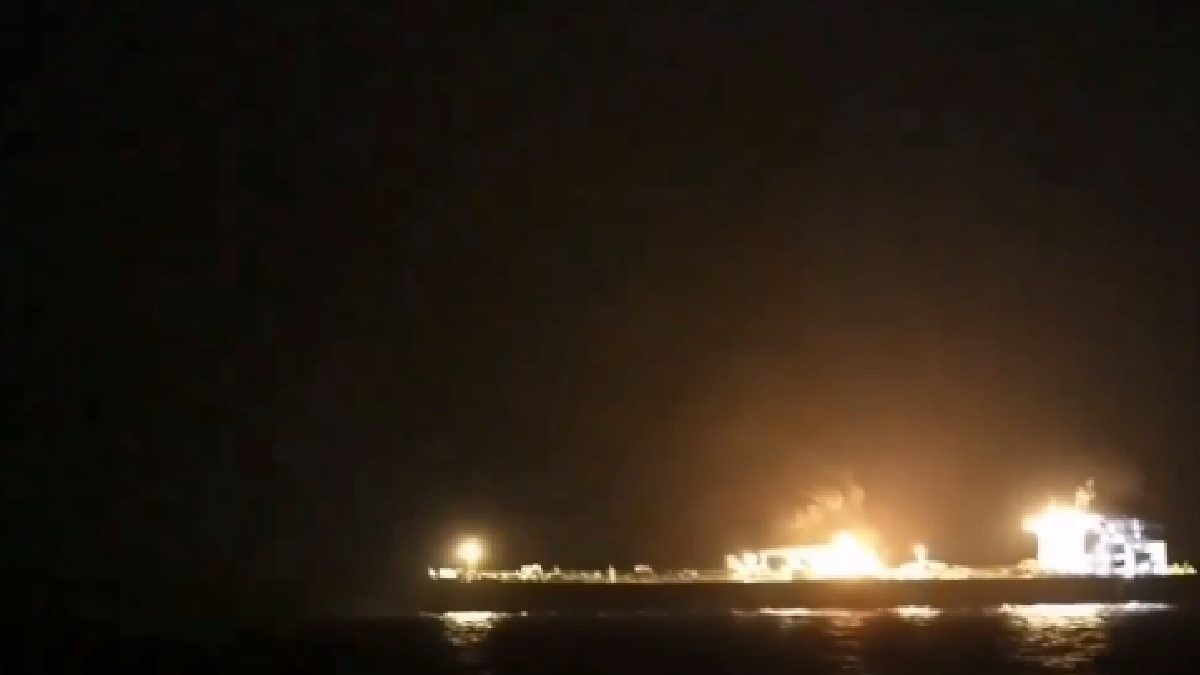
And the attacks took place as the United States launched its 12th round of military strikes against Iranian-connected targets in a sign that the war between Washington and Tehran is heating up.
The two commercial oil tankers were attacked while moving through the strategic shipping routes near the Red Sea. The damage and casualties are not known but maritime security agencies have launched investigations into the incidents.
The Houthis have repeatedly threatened to attack vessels they believe are connected to Israel, the United States or their allies.
The attacks once again point to the vulnerability of one of the world’s busiest maritime trade corridors. Some 12 percent of global trade passes through the Red Sea and the Bab el-Mandeb Strait and any disruption would be felt by international shipping, energy supply and global markets.
Meanwhile the United States has intensified its military operations against Iranian-backed groups across the region. Now it is reported that American forces have carried out their 12th strike against Iranian military assets and proxy structures. U.S. officials say the operations are meant to deter further attacks on American personnel, allies and commercial shipping.
Iran has denied direct involvement in the Houthi attacks but has continued to criticize US military actions in the region.
Tehran maintains that regional resistance groups operate independently, although Western governments have long accused Iran of providing the Houthis with weapons, intelligence and training.
The latest developments suggest the conflict could widen beyond Israel and Iran to include more actors in the region, security experts say. The Houthis have previously been known for their ability to launch long-range drones and missiles on ships in the Red Sea and Gulf of Aden.
Some international shipping firms have also been forced to reroute vessels around Africa, which has led to increased transport costs and delivery times.
The renewed violence also threatens global oil markets. If tanker traffic through the Red Sea continues to be disrupted, prices of crude oil will rise and shipping insurance will increase, a bigger worry for global energy supplies.
The #Houthis attacked two oil tankers linked to Saudi Arabia.
— Karina Karapetyan (@KarinaKarapety8) July 23, 2026
Earlier, the Joint Maritime Information Center (JMIC) reported that the Houthis had completed preparations for attacks on ships in the Bab el-Mandeb Strait.#MiddleEast #MiddleEastWar pic.twitter.com/4Xg34meQCl
Financial markets are closely following the situation and investors are anxious that a period of unrest might mean more instability would impact global energy supply.
Some countries have called for restraint and encouraged all parties to stop any actions that could spark a regional war. International diplomatic efforts are ongoing but military operations are on all fronts, and at present it is difficult to see any way for immediate de-escalation.
With the United States’ campaign against Iranian-linked targets and the Houthis getting more aggressive at sea, the Middle East has one of its most volatile security challenges in recent years.
The next few days will determine whether diplomatic channels can prevent the conflict from spreading out to the rest of the region.