Hurricane Isaias has developed rapidly into the first Atlantic hurricane of the 2026 season and is expected to strengthen further ahead of landfall along the United States Gulf Coast. Louisiana, Mississippi, Alabama, and Florida should be on high alert for dangerous weather conditions like strong winds, life-threatening storm surge, heavy rainfall, and tornadoes, meteorologists warn.
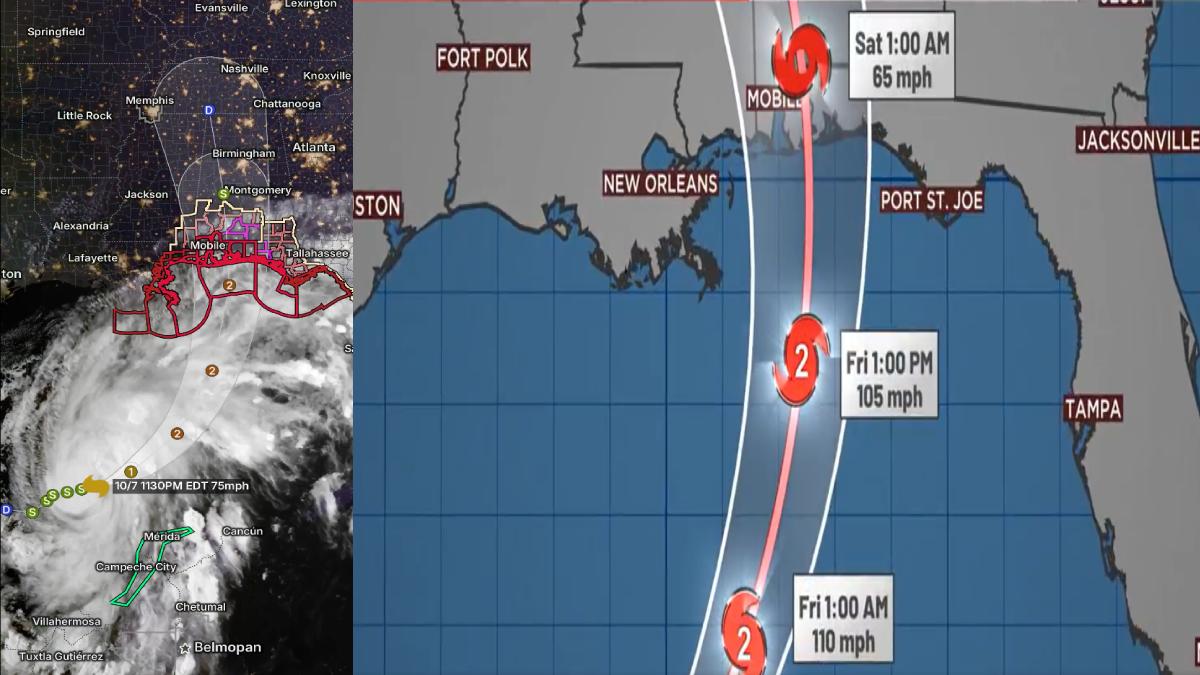
The storm’s rapid growth has been of note to weather experts. Isaias became a tropical storm on October 7 and developed into a Category 1 hurricane within less than 20 hours. Such rapid strengthening indicates the favourable atmospheric and ocean conditions that have enabled the storm to develop over warm waters in the Gulf of Mexico.
The NHC believes Isaias is moving north-northeast and heading toward the northern Gulf Coast and will develop into a Category 2 hurricane before it hits at landfall on Oct. 9. As the hurricane strengthens, sustained wind speeds are estimated to be above 100 mph as the system is at peak strength. The hurricane will weaken inland, but officials said it will still pose a threat once it hits the ground.
The projected path poses the greatest threat for places from Louisiana to the Florida Panhandle. Coastal areas have been advised to monitor official weather updates and be prepared for the storm before conditions get worse. Emergency management agencies have already begun to prepare for the storm.
One of the most serious concerns is storm surge along the northern Gulf Coast. As Isaias approaches the coast, there are going to be multiple life-threatening impacts, said National Hurricane Centre Director Mike Brennan. That’s particularly concerning because officials are worried about the stretch from Ocean Springs, Mississippi, to Indian Pass, Florida, where heavy coastal flooding is expected, he said.
Some forecasts indicate storm surge levels of five to seven feet above normal ground level to rise in some areas. Flooding can inundate roads, homes, businesses, and critical infrastructure, especially in poorly protected coastal areas. People in inundated coastal areas have been told to heed evacuation orders and move to safer places if authorities tell them to do so.
Heavy rainfall is also expected to accompany the hurricane. Isaias’s rainbands are expected to begin to take over parts of the Gulf Coast on Friday, and flash flooding and localised flooding will be likely to occur in urban and low-lying areas in places where it is raining and more severe flooding is likely. The combination of saturated ground, strong winds, and heavy rain will result in fallen trees, power loss, and disrupted transportation.
In addition to flooding and strong winds, forecasters have warned of possible tornadoes developing within the hurricane's outer rainbands. Hurricanes frequently generate tornadoes as they move inland, adding another layer of risk for communities in the storm's path. Residents are being encouraged to remain alert to rapidly changing weather conditions and to have multiple ways of receiving emergency alerts.
The approaching hurricane has prompted state officials to take precautions. Florida Governor Ron DeSantis and Alabama Governor Kay Ivey have both declared states of emergency in order to get preparedness done and to marshal resources ahead of the storm. Emergency declarations help state agencies coordinate response, pre-position supplies, and help local communities affected by the hurricane.
Mandatory evacuation orders have already been issued for some vulnerable areas. Most of the west end of Dauphin Island in Alabama has already been evacuated due to the high likelihood of storm surge and coastal flooding. Zones A and B in Okaloosa County in Florida have evacuation orders as a result, as authorities are trying to protect residents from potentially dangerous situations.
Emergency management officials are advising residents not to ignore the storm. Isaias is currently forecast to make landfall as a Category 2 hurricane, but even weaker hurricanes can damage and kill people with flooding, storm surge, and wind. Residents should prepare for emergencies and have access to emergency items, secure outdoor items, stock emergency supplies, and follow the instructions of local authorities.
Huge numbers of people in the Gulf Coast are closely monitoring forecasts as Hurricane Isaias barrels towards the region. The storm’s effects will be felt, and people need to act early and quickly to protect lives and property from the hurricane’s damage, emergency officials say.