Tensions in the Middle East have intensified again after the Israel Defence Forces (IDF) conducted fresh strikes on Hezbollah targets in southern Lebanon. Syrian military mobilisation following Israeli shelling has elevated fears of a wider regional conflict.
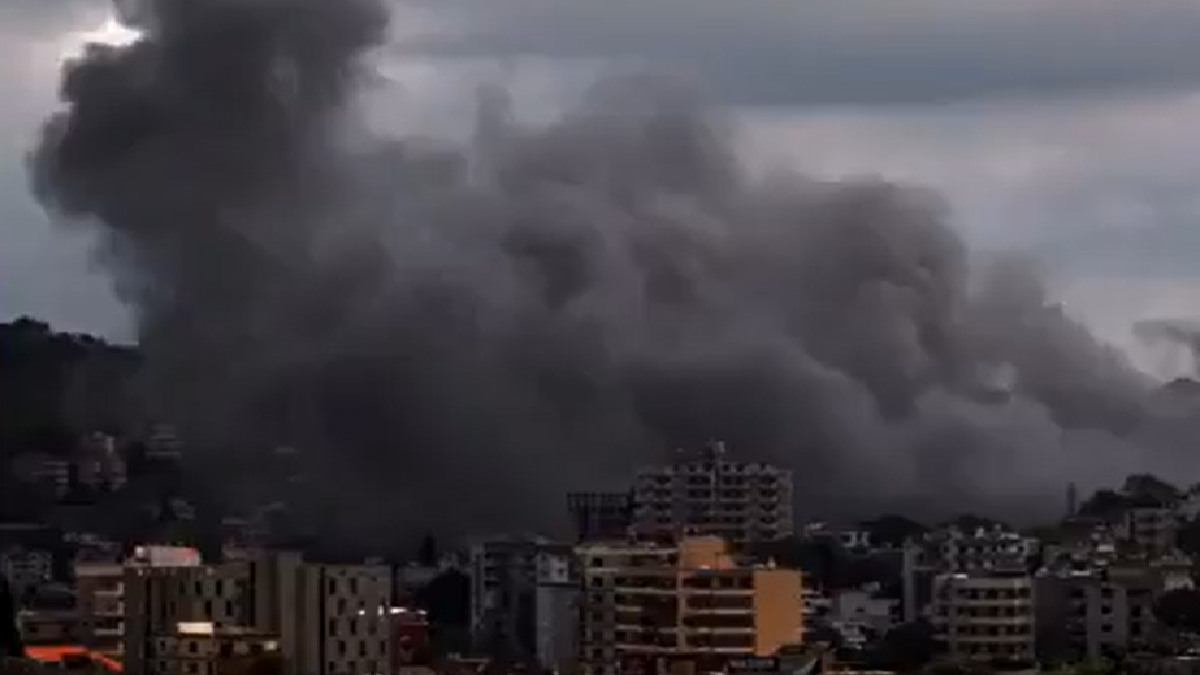
The Israeli military officials said the latest operation targeted Hezbollah’s underground infrastructure (underground facilities, weapons storage places, rocket launch sites, and militant hideouts) in southern Lebanon. Israeli authorities said the strikes were aimed at neutralising the threat of the Iran-backed group to prevent it from attacking Israeli territory.
But the IDF said one of its recent operations destroyed a major underground Hezbollah tunnel complex near the Lebanese border. Israeli officials said the facility contained hundreds of weapons, rocket launchers and military equipment intended for attacks against northern Israel. The military described the operation as part of its broader campaign to dismantle Hezbollah’s military capabilities.
The latest strikes came despite diplomatic efforts to lower tensions along the Israel-Lebanon border. A US-backed framework has helped to reduce the tension and keep it from spreading to the rest of the country, but Israel and Hezbollah have accused each other of violating ceasefire agreements. Israel maintains that the military has to be there to maintain the safety of neighbourhoods along the northern border.
Meanwhile, regional attention has moved to Syria after reports emerged that Syrian forces were placed on heightened readiness after Israeli shelling in areas near the Syrian-Lebanese border. Although Syrian authorities have not spoken of any military action, security officials say troop movements and defensive measures are increasing in several strategic areas.
The developments have raised fears among international observers that the conflict could reach well beyond Lebanon. Syria, in the midst of a rebuilding process following years of civil war, has repeatedly warned against actions that would threaten its sovereignty, too. Israeli officials have also said they would respond if necessary to threats from all sides of the conflict.
In response, Hezbollah has decried the Israeli strikes as violations of agreements and warned that continued attacks could jeopardise security in the region. The group has previously said it will respond to Israeli attacks, and there is mounting concern in the region of a third round of retaliation.
The situation is particularly sensitive as it takes place in the context of larger regional tensions between Iran, Israel, Lebanon and Syria. A small fire could quickly become a large war between a lot of actors in the Middle East, the analysts say.
We have good information about how governments of countries around the world are closely monitoring the situation, and diplomatic channels are trying to prevent further escalation, according to the report. There is growing international pressure for restraint as the humanitarian and security implications of renewed hostilities mount.
There is military activity on several fronts right now, and there is a lot of uncertainty in the region. If the dispute continues, whether the crisis will progress into a full-fledged war will largely depend on the actions taken by all sides in the diplomatic situation.