India’s trade relationship with New Zealand is on the way up with the India-New Zealand Free Trade Agreement (FTA) moving closer to reality.
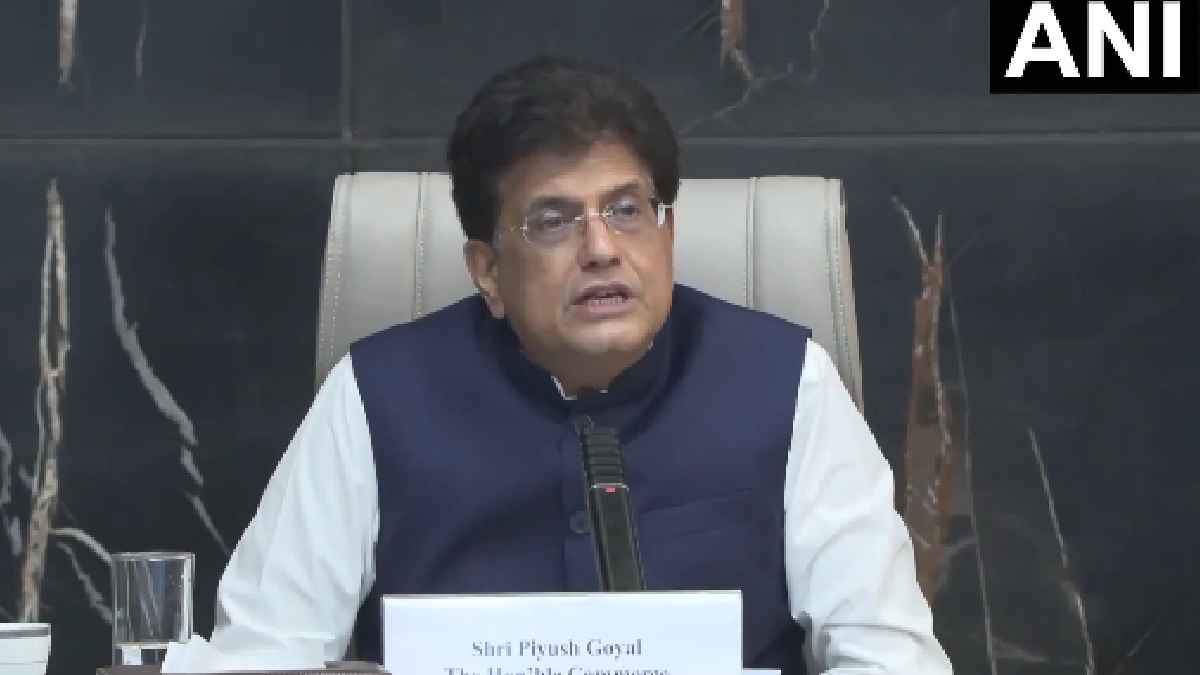
Commerce and Industry Minister Piyush Goyal has said the agreement will provide Indian exports with 100% duty-free access to the New Zealand market and will eliminate the tariff disadvantage faced by Indian firms in competition with exporters from countries that already had preferential access to the New Zealand market.
The FTA was signed in April 2026 and provides duty-free access for all Indian exports to New Zealand from the date it comes into force. On 16 September 2026, New Zealand’s Parliament passed legislation to implement the agreement so this is a step forward in implementation.
Goyal said the agreement would be particularly beneficial to India’s micro, small and medium enterprises (MSMEs), farmers, artisans and handloom workers.
Labour-intensive sectors like textiles, apparel, leather, footwear, gems and jewellery, engineering goods and processed food are expected to benefit from better market access.
According to the government, the agreement also includes a commitment to facilitate around $20 billion of investment into India over 15 years.
Investment is expected to boost manufacturing, infrastructure, agriculture technology, startups, innovation and emerging technologies it will help and it can also bring more capital and technology into Indian industries.
The agreement also includes measures to enhance agricultural productivity. Partnerships and Centres of Excellence will be developed for apples, kiwifruit and Manuka honey to improve productivity, knowledge transfer and farmer incomes.
#WATCH | Delhi: On the India-New Zealand Free Trade Agreement, Union Commerce and Industry Minister Piyush Goyal says, "Whatever goods are exported from India to New Zealand, import duty will no longer be levied on 100% of the goods entering New Zealand. This means all our… pic.twitter.com/m6Ct2xdYR4
— ANI (@ANI) September 21, 2026
But India has preserved protections for some sectors. Goyal cited dairy as one of the areas where India has not provided unrestricted market access. The agreement excludes milk, cream, cheese, yoghurt, whey, onions, chickpeas, peas, maize, almonds and sugar.
India has offered market access on about 70% of tariff lines covering approximately 95% of bilateral trade with New Zealand, while keeping nearly 30% of tariff lines excluded. Other products will see tariff reductions either immediately or through phased schedules.
The agreement also covers services, professional mobility and education. It offers more opportunities for Indian professionals and students, with dedicated pathways for skilled workers and post-study work opportunities for STEM graduates.
Now New Zealand has made a major legislative step, the FTA will be implemented. For Indian exporters, the agreement will create an equal playing field in the New Zealand market and create new opportunities for businesses, farmers, manufacturers, artisans and skilled professionals.