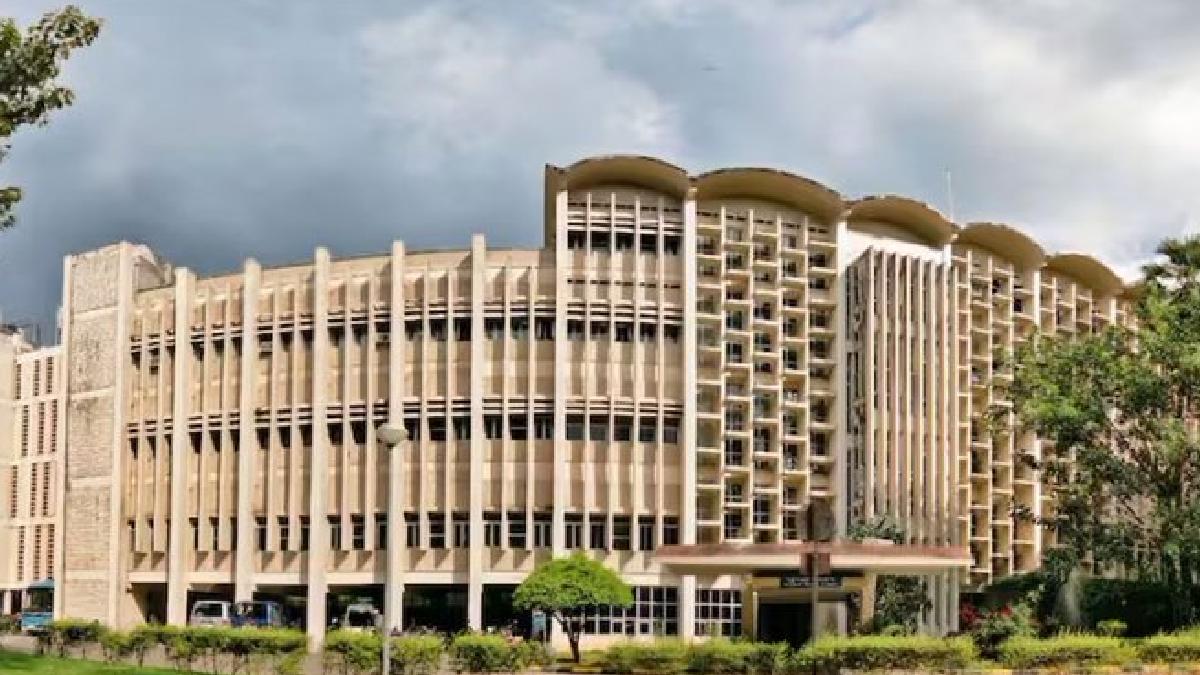
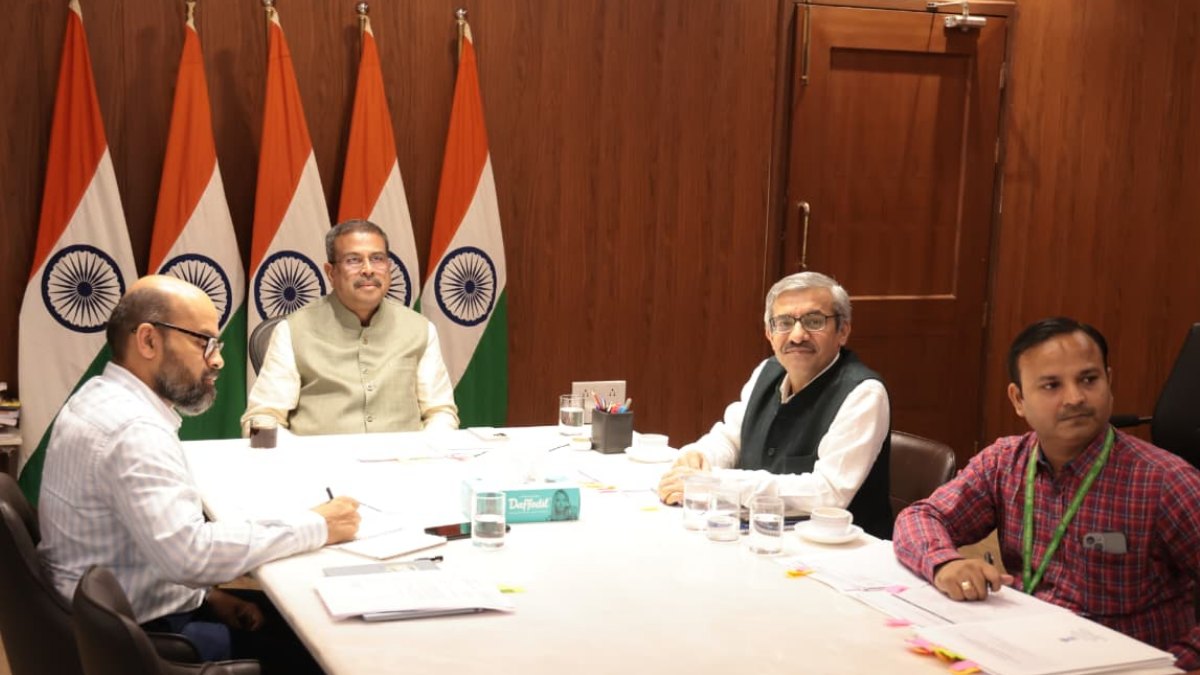
The Indian Institute of Technology Bombay is considering a series of measures aimed at bolstering student safety and mental health support following the death of student Sahil Wakode. One such option is to shut off ceiling fans in the hostel rooms, which would change hostel safety at the institute greatly.
The development comes amid increasing concern for students’ well-being at IIT Bombay and days of protests by students after Wakode’s death. The institute will hold a special meeting of its Board of Governors on Monday, in which students will discuss some of their concerns. An Open House with students will be a chance for the administration to address issues of campus safety and mental health services and accountability.
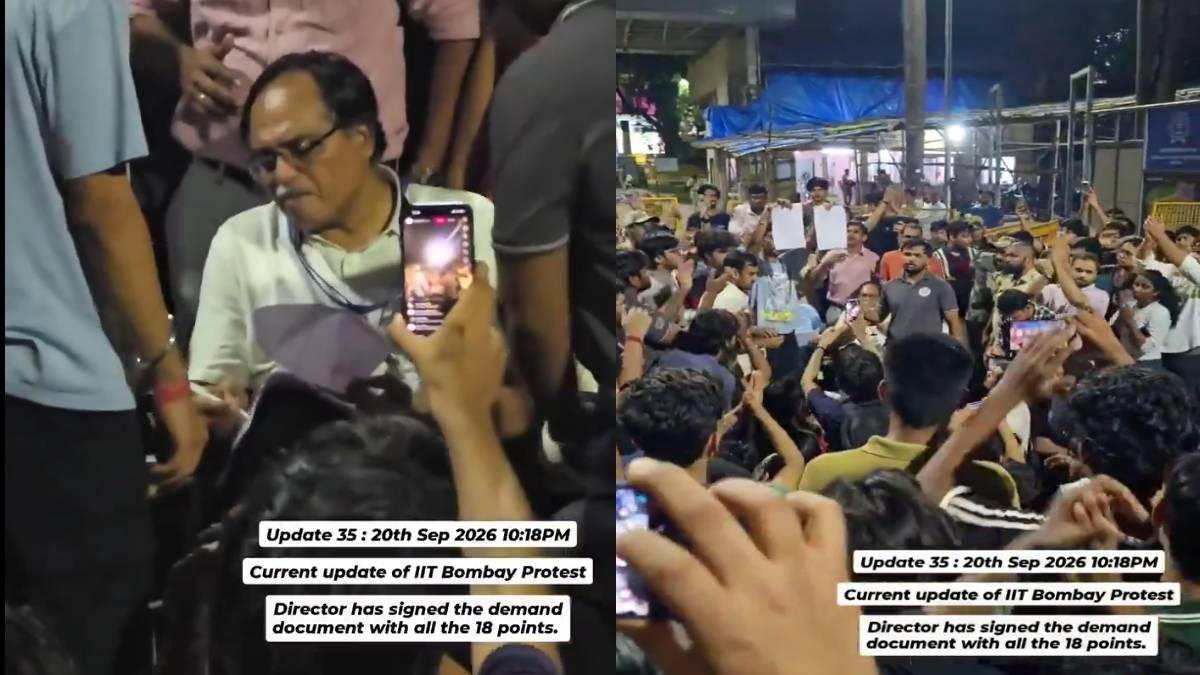
Wakode’s death had triggered protests at the institute’s main gate, with students asking questions about the circumstances of his death and calling for changes in institutional policies. The student had been caught cheating and using ChatGPT during an examination before his death by suicide, one of his colleagues told us.
Following talks with protesting students, IIT Bombay Director Shireesh Kedare signed an 18-point charter of demands. While the administration has agreed to discuss the demands and take action where appropriate, institute officials have said that further discussions and due process would be carried out before any decision is made.
The ceiling fans proposal is part of a wider conversation for preventing suicide and improving the physical safety of hostel spaces. But the meeting is expected to tackle issues beyond infrastructure and students want the mental health and disciplinary aspects of the school to be made better for students.
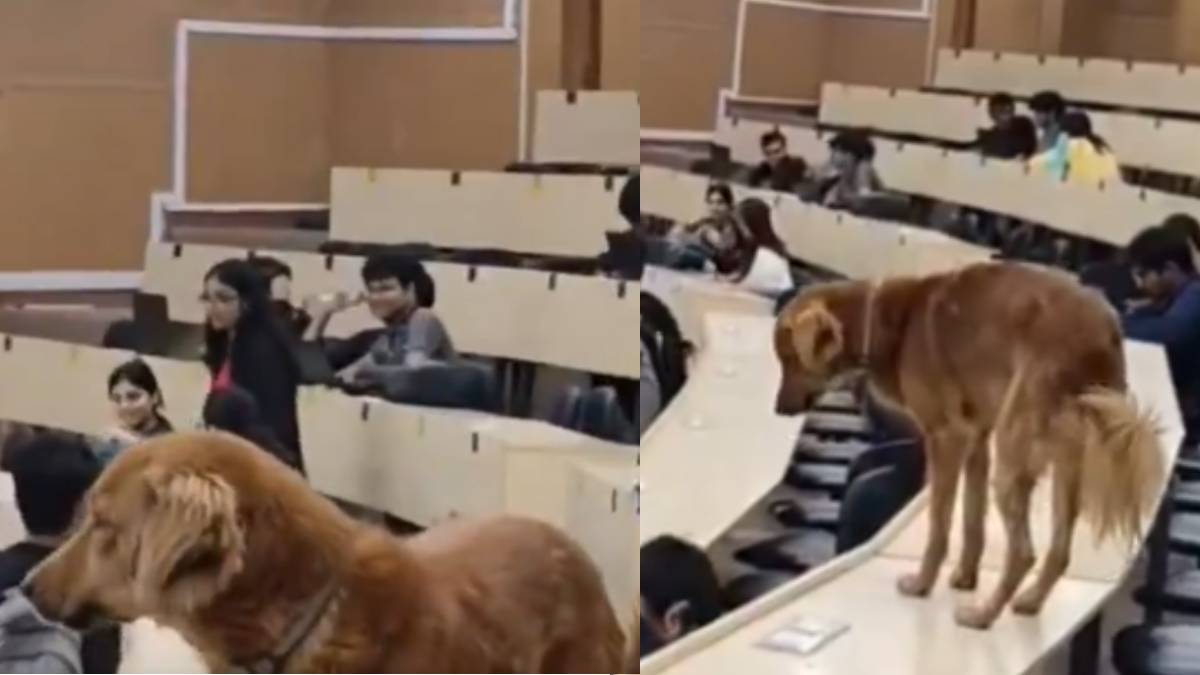
One of the main demands is counselling services. Students have called for one counsellor for every 250 students and at least one counsellor in every hostel. They have also sought regular audits of the Student Wellness Centre, to ensure that existing services are meeting students’ needs.
The charter also calls for 24/7 mental health support, with an on-call psychiatrist and qualified doctors available during night shifts for emergencies. Students also want mental-health training for staff and a regular feedback mechanism to assess the effectiveness and accessibility of support services.
Faculty sensitisation is also a key part of the demands. Students have proposed mandatory mental-health sensitisation workshops every two months, and similar training for professors and staff that are regularly interacting with students. The goal is to increase awareness among those in positions that can directly impact students experiencing emotional or academic difficulties.
Students also want an independent investigation into Wakode’s death and the hospital’s response. According to the charter, an interim report has been sought by September 30 and public findings are due by October 15.
Accountability is another major point of contention by the protesters. The demands are for an investigation into the role of Professor Suryanarayana Doolla and other stakeholders, and students will seek action against people found responsible after an inquiry. They have also asked for an apology for Wakode’s information to be made public by the institute.
The 18-point charter also calls for more student involvement in institutional decision-making. Students have demanded representation and voting rights on relevant academic and non-academic committees, as well as a review of administrative decisions affecting student culture that are taken without prior consultation.
Another is to give clear parameters to complaints against professors, with timeframes and ways for students to raise their concerns. The charter also wishes to bring more students into the discussions when people are disciplined for academic malpractice.
Hostel-related demands are another part of the charter. Students have called for second and third-year students to be assigned adjacent rooms in order to protect the existing student support networks. They have also proposed a permanent student well-being task force to address the causes of student distress and publish reports every semester.
The protesters have also sought a transparent institute-wide portal through which students can seek out complaints and administrative responses for student grievances and administrative responses. They have also asked for protection for student participation in the protests and for student safety by assurance against disciplinary, financial, legal or hostel-related action for peaceful protest.
The upcoming Board of Governors meeting and Open House could therefore become an important stage in determining which of these proposals are adopted and how quickly they are implemented. The ceiling fans issue is only one of many aspects of the debate at IIT Bombay on campus safety, mental health resources, disciplinary procedures and student representation.
As the institute considers the 18-point charter, the focus will be on balancing student safety with institutional procedures, and building stronger systems to detect and respond to distress in students.