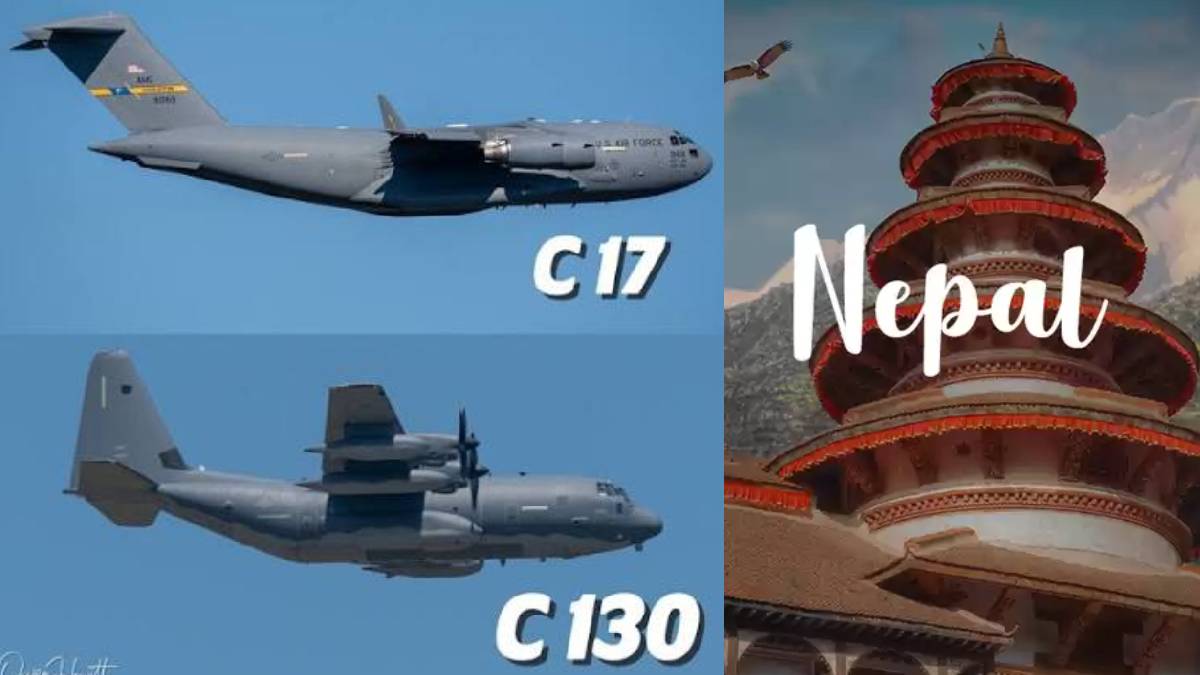
So India is stepping up its preparations for a large humanitarian response to the devastating flash floods in Nepal, with C-17 Globemaster III and C-130J Super Hercules aircraft on standby to bring relief supplies and equipment to the flood-hit country. Medicines, relief material and earthmoving equipment are also being prepared, and disaster-response teams are also ready to be airlifted.
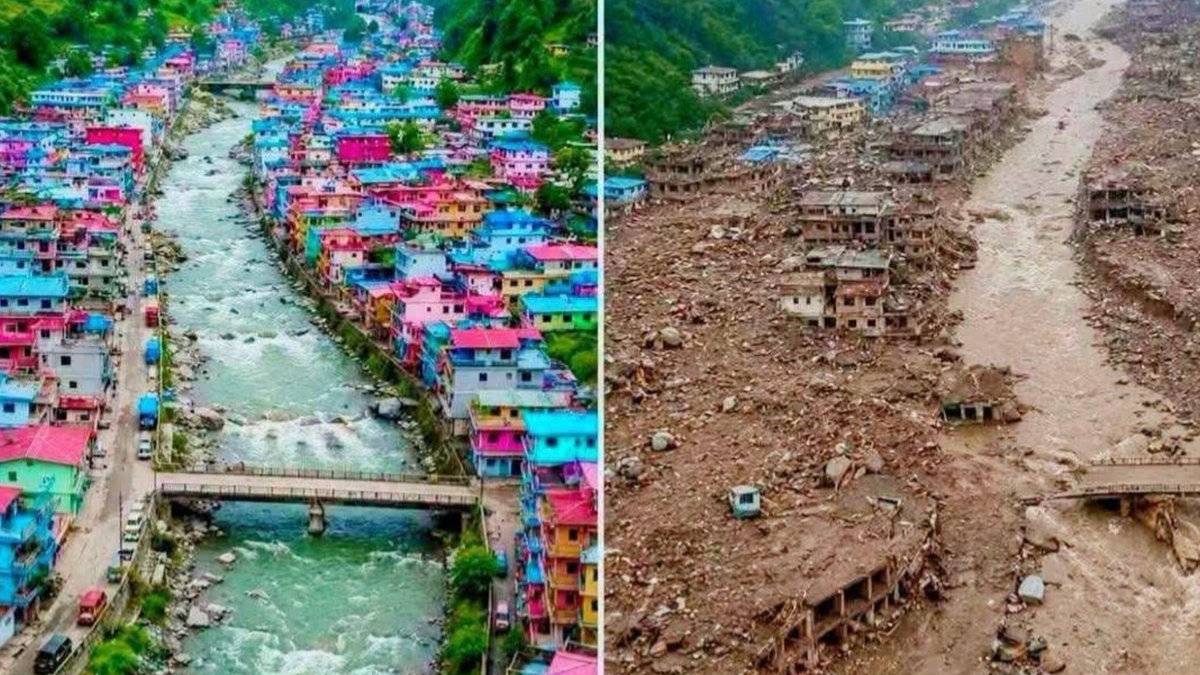
The preparations come as severe flash floods have caused widespread destruction in areas of Nepal, especially in the Rasuwa, Nuwakot and Dhading districts. Homes, roads and bridges have been washed away, and hydropower projects and other critical infrastructure have been badly damaged. Rescue and damage-assessment teams are still operating in mountainous terrain.
According to defence ministry sources from NDTV, the Indian Air Force has been made available to conduct relief and rescue missions in Nepal. A C-130 aircraft is planned to leave for Nepal on Monday, and a C-17 aircraft will be prepared for the relief effort. The National Disaster Response Force (NDRF) is on standby to respond to any rescue or relief work as soon as possible.
The decision shows India’s ability to respond rapidly in the face of critical humanitarian emergencies in neighbouring countries. In the C-17 Globemaster III, India has heavy-lift capabilities for carrying heavy equipment and supplies to and from disaster situations very rapidly. The C-130J Super Hercules is of particular importance for tactical airlift missions and remote operations.
The relief cargo being prepared for Nepal includes earthmoving equipment and could prove to be particularly crucial given the extent of damage to roads and other infrastructure. Equipment like that could help emergency teams clear debris, reopen access points and support rescue operations in areas cut off by landslides or flood damage.
Medical supplies are another important part of the proposed assistance. There are a lot of people affected by the floods, and the health facilities in some areas have been compromised; medicines and other emergency medical supplies could provide immediate support to local authorities and rescue teams.
India’s disaster-response personnel are also ready to be deployed. The NDRF’s standby status means trained personnel can be quickly transported if Nepal requests more search-and-rescue services. Their expertise will be particularly useful if people are stuck under debris, in damaged structures, and in emergency evacuations.
The Nepal disaster has also raised concerns and fears in India as a large number of Indian nationals are missing. NDTV has reported that 384 travellers are reported missing according to Nepal Tourism Board information, of which 105 Indian nationals and 37 NRIs are among them.
The Indian government is in contact with Nepalese officials on the ground to coordinate the response and determine what assistance is required. Prime Minister Narendra Modi has also extended India's support to Nepal following the disaster.
Flash floods have also posed huge logistical difficulties for rescue teams. Mountain roads and bridges have been destroyed, making many areas difficult to access by ground. This means that helicopters and transport aircraft are needed to deliver supplies and reach isolated communities.
India has a long history of humanitarian assistance and disaster relief work in Nepal. During the 2015 Nepal earthquake, the Indian Air Force sent C-17, C-130J, and other aircraft to deliver relief supplies, NDRF personnel and equipment, and helicopters to reach remote areas. It also showed the need for swift airlift capabilities for disasters in Nepal.
The current operation could once again see India's military transport and disaster-response capabilities being used to support its neighbouring country during a major emergency.
Nepal’s immediate priorities are finding missing people, rescuing stranded residents and travellers, providing medical assistance and restoring access to communities cut off by the floods. India will be focusing on the safety of its citizens while helping Nepal’s relief efforts as well.
With C-17 and C-130 aircraft, relief supplies, medicines, earthmoving equipment and disaster-response teams on standby, India is well positioned to respond quickly as coordination with Nepal progresses. The final deployment will depend on operational needs and coordination with Nepalese authorities.
The developing response underscores the close ties between the two neighbouring countries and India's long-standing assistance in disaster relief during major disasters in the region. The pace of relief efforts and specialist teams may be critical to help Nepal’s authorities reach isolated communities and restore damaged infrastructure.