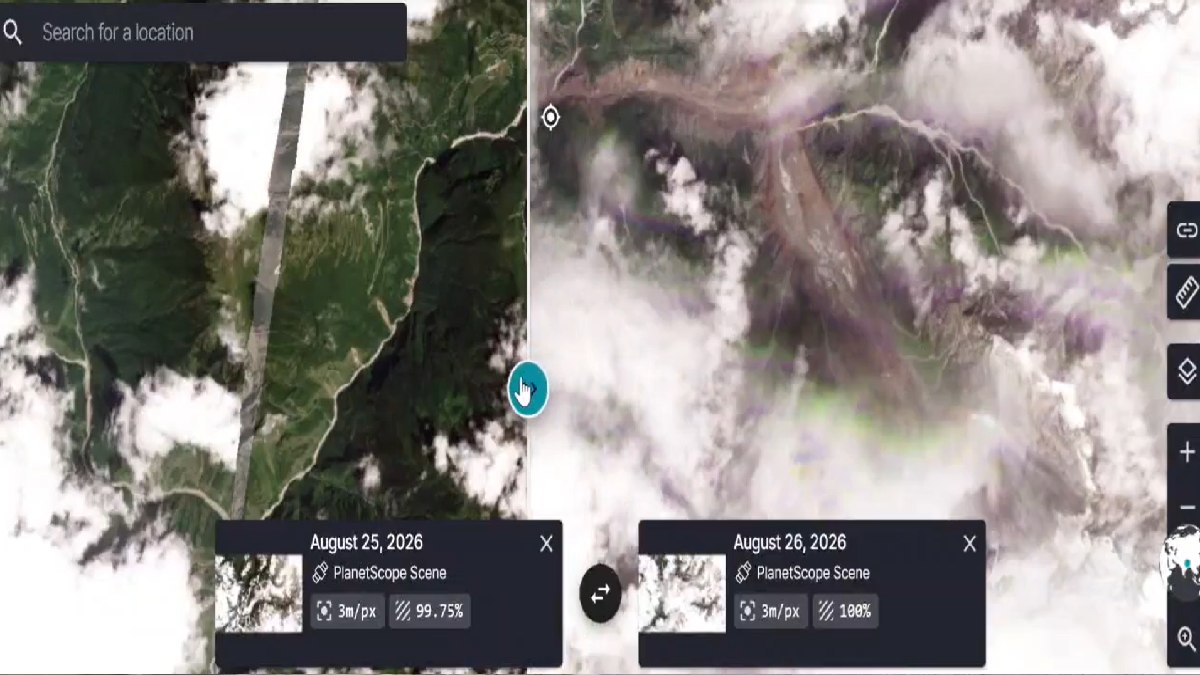
The devastating flash floods that hit parts of Nepal have transformed the landscape, and before-and-after images showing a visual portrait of how much destruction was caused by flood-soaked floodwaters have emerged for many of the areas in Nepal. Roads, bridges, homes, and infrastructure that once connected communities have been destroyed, and debris and disrupted communities have been scattered in the ruins and debris that has been left behind as rescue and relief efforts continue to be made.
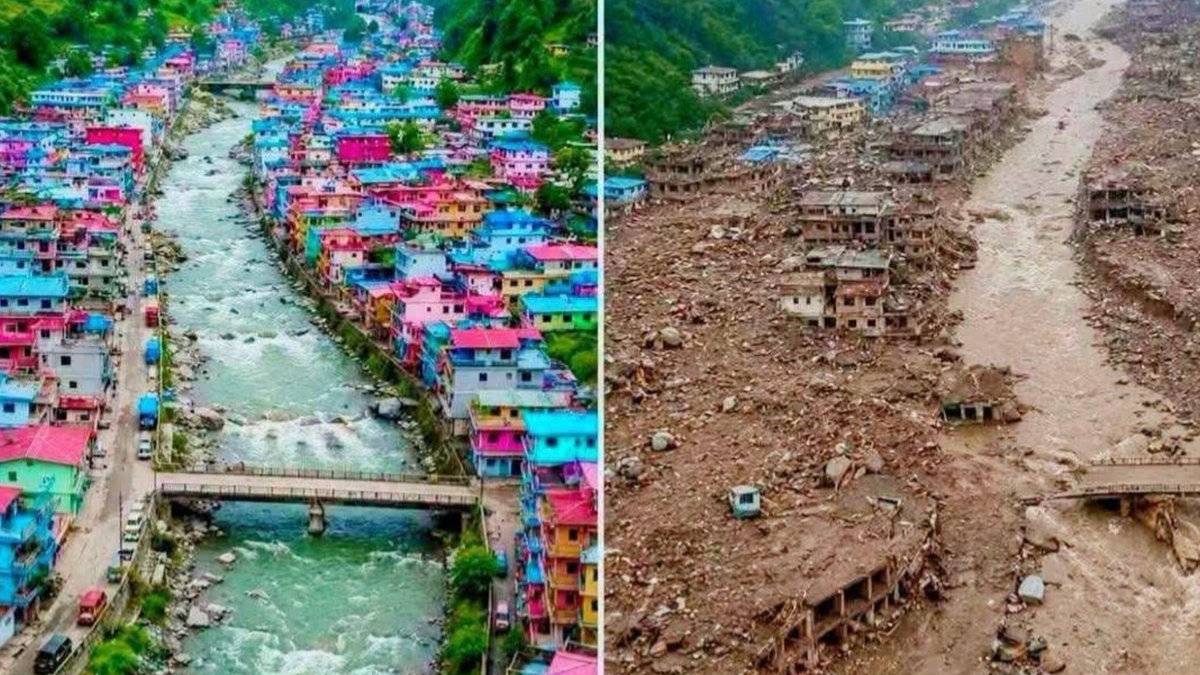
The contrast between Nepal before and after the flood is a stark illustration of how quickly a disaster can change a whole region. In some places that had been normal routes to the place where people moved, roads where people went about their daily lives, and where it was raining, mud channels and broken buildings and piles of stuff have been replaced.
The disaster has particularly affected Rasuwa district, close to Nepal’s northern border with China. The river Bhotekoshi and its banks suffered a sudden and destructive surge, causing widespread damage. Many structures and infrastructure projects were damaged and destroyed as huge amounts of water and debris moved through the river system.
The mountainous terrain of northern Nepal with its mountainous nature makes the disaster more challenging for emergency responders. Many areas of the disaster are difficult to reach due to high levels of mountainous terrain, damaged roads, and destroyed bridges. In some areas, communities can be reached only with great difficulty, and helicopters and other specialized rescue resources can be used in those places.
The comparison between the before-and-after images also illustrates the damage to transportation infrastructure. Roads and bridges are essential lifelines to mountain communities that facilitate transportation to markets, hospitals, schools, and emergency services. When these connections are destroyed, the effects of a flood continue long after the water is gone.
The infrastructure for hydropower has also been damaged. Nepal depends heavily on hydropower for electricity generation, so damage to power plants can create additional economic and logistical difficulties for affected communities. The conditions of installations and other critical infrastructure are still to be assessed as rescue operations are ongoing.
The human impact of the disaster has added urgency to the response. Hundreds of travellers have been reported missing, many of them Indian nationals and NRIs who were in Nepal at the time of the flooding. Search and rescue teams are trying to find people who may have been stranded or cut off by the destruction.
The disaster has also prompted India to prepare humanitarian assistance for its neighboring country. Indian authorities are collaborating with Nepal, and the Indian Air Force C-17 and C-130 aircraft have been prepared for a possible relief mission. If deployed, relief material, medicines and earthmoving equipment can be transported quickly.
Earthmoving equipment could be an instrumental part of the recovery. Heavy machinery can clear roads blocked by mud, rocks and debris and aid in bringing access to isolated communities back to normal. Medical supplies, food and other relief material will also be important to displaced residents as they cope with the aftermath.
The situation shows why before and after comparisons are so important after major natural disasters. A single photograph of a building or road in flood may reveal the damage, but comparing the same location before and after a flood can have a much clearer impression of the extent of destruction.
But for residents, the disaster is far more than just damaged infrastructure. Homes may not have been spared, livelihoods disrupted, and families separated. Businesses and transportation networks take weeks or months to recover, and reconstruction of major bridges and hydropower plants may take much longer.
And Nepal authorities have two-stage efforts ahead: saving lives immediately and rebuilding communities in the long run. The priority is search and rescue, medical support and the transfer of people from the dangerous areas to safety. When the emergency phase is over, roads, bridges, electricity and other vital services will be restored.
The floods also highlight the vulnerability of Himalayan communities to sudden natural hazards. Heavy rainfall, geological events, landslides and sudden changes in river conditions can lead to a high risk of disaster with little notice and little time. That harsh terrain can amplify the risk of disaster as evacuation routes are closed and emergency access is difficult.
As rescue teams continue their work, dramatic before-and-after images from Nepal serve as a reminder of the destructive power of flash floods. What existed as functioning communities and infrastructure before the disaster has, in many places, been drastically altered within a very short period.
The next few days will be critical for Nepal as authorities search for missing people, assess casualties and damage, deliver emergency supplies and start restoring damaged infrastructure. International and regional assistance, including the assistance of India, could be a key part of helping affected communities recover.
The before-and-after of Nepal's floods is not only about destruction, but the resilience of communities, the need for coordinated rescue operations and the long road to reconstruction of what has been lost.