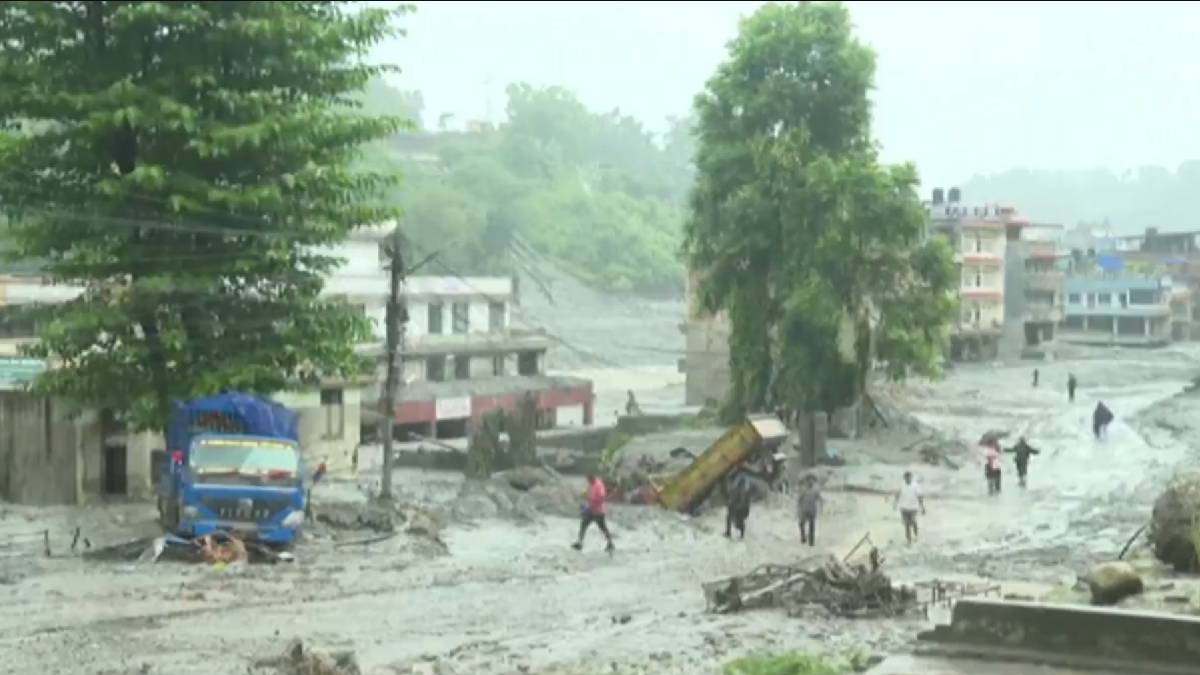
The Indian Army has intensified its search-and-rescue at Chilime Hydropower Plant in Nepal, where Army personnel have gained a foothold inside the tunnel at the flood-hit facility. Rescue teams are still trying to search for people who may be trapped in hydropower tunnels amid the aftermath of heavy flooding that has hit Nepal’s downstream flood zone.
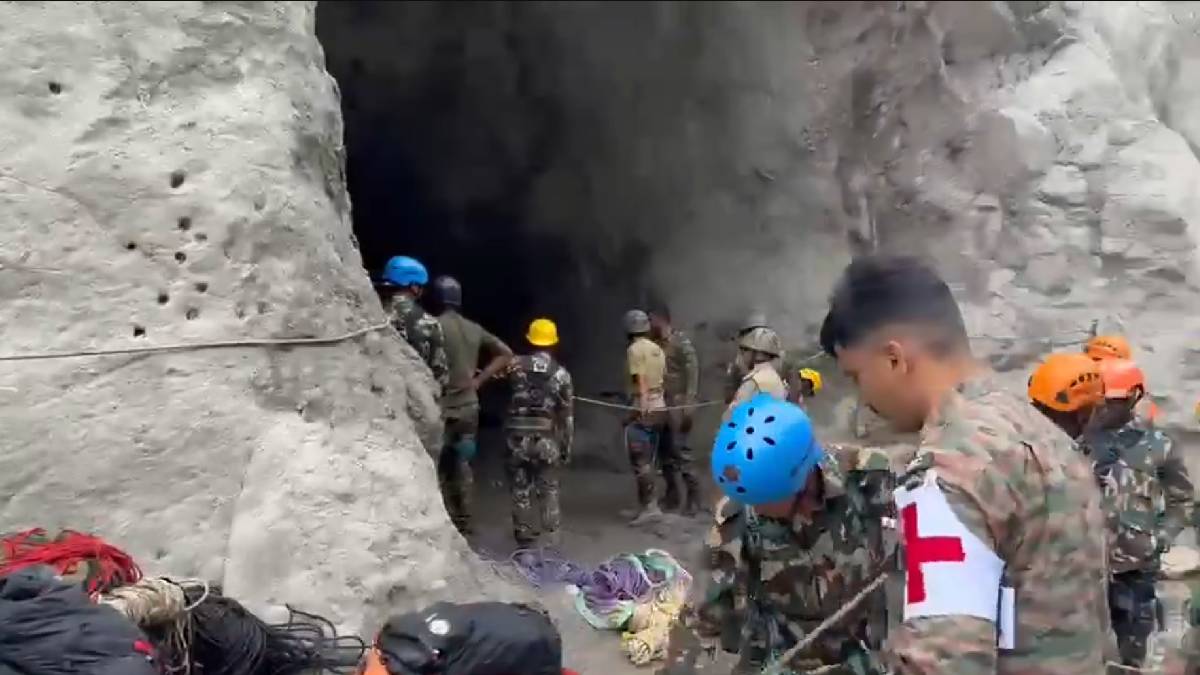
According to the Indian Army, personnel have entered the tunnel and are conducting search-and-rescue operations inside the facility. The ground operation is being closely monitored by Colonel Parikshit Mehra, who is leading the Indian Army team at the site.
The operation at Chilime is part of a multinational rescue campaign across Nepal’s badly affected hydropower systems. Large numbers of hydropower projects in Rasuwa and its neighbouring areas have been inundated by huge floods, landslides and debris, with many workers trapped or unaccounted for.
The Chilime Hydropower Project is located in Rasuwa district and has an installed capacity of around 22 MW. The underground infrastructure of the facility has become a focal point for rescue teams after the disaster. Reuters reported on Monday that at least eight people were thought to be missing at the Chilime project, and Indian teams had conducted an aerial survey along with the Nepalese Army and were using pumps and excavators during rescue operations.
The latest development, having Indian army personnel enter the tunnel, is a big step forward in the search and rescue effort. Tunnel rescue operations are particularly challenging because of collapsed sections, mud, debris, damaged infrastructure, poor visibility, and the possibility of further flooding.
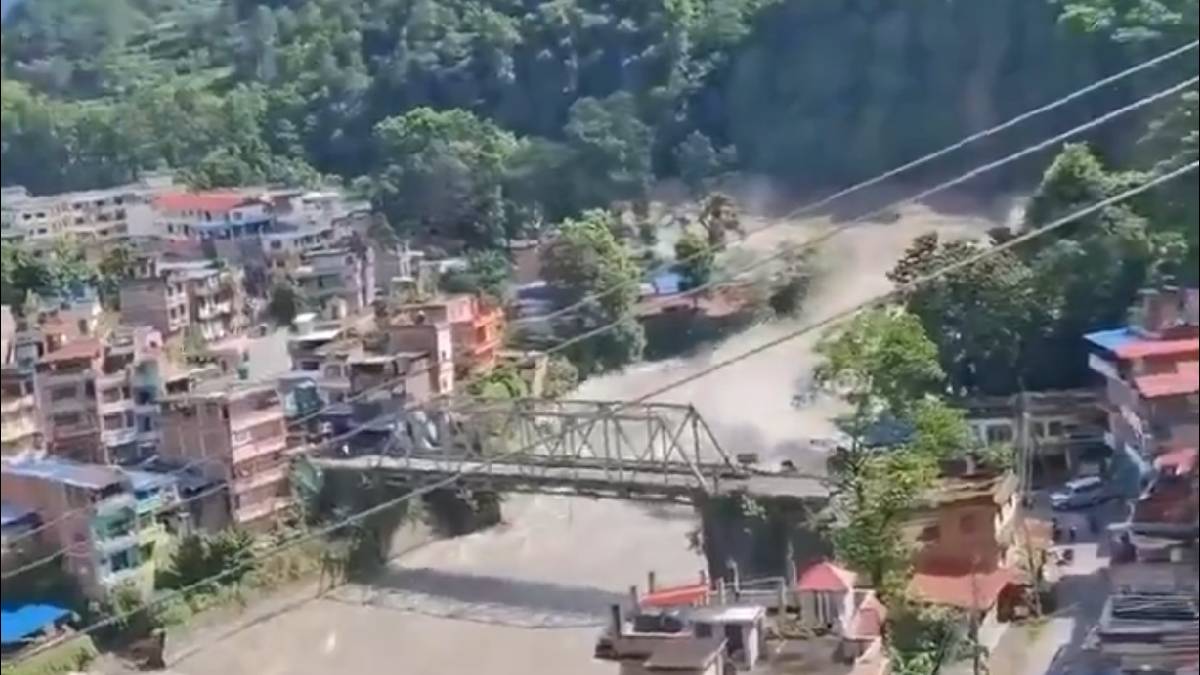
The Indian team is working with Nepalese authorities and other rescue personnel as part of the larger emergency response. Indian assistance has been extended beyond Chilime, where teams are also working at other affected hydropower plants. Indian teams have studied the Langtang Khola Hydropower Project and started operations using pumps and excavators in cooperation with the Nepalese Army.
The scale of the rescue is enormous across Nepal. Hundreds of hydropower workers are feared trapped or missing at various sites in flood-hit areas. Nearly 1,000 workers were feared trapped across several hydropower projects, they said, and Nepalese, Indian, Chinese and South Korean teams were searching for them.
The #IndianArmy has successfully established foot hold movement inside the tunnel at the #Chilime Hydropower Plant,#Nepal. Army personnel have entered the tunnel and are carrying out the search and rescue operation.
— Manish Prasad (@manishindiatv) August 31, 2026
The entire operation is being closely monitored by senior Indian… pic.twitter.com/2HhSzt0fhm
The emergency has put enormous pressure on rescue agencies because many of the affected projects are located in difficult mountainous terrain. Roads and bridges have been damaged or washed away, making access to the sites extremely difficult. In some areas, rescuers have had to use heavy machinery and specialised equipment to clear mud and debris before reaching tunnel entrances.
The Chilime operation is therefore being closely watched as rescue personnel are still working to determine whether people are trapped in the tunnel and, if so, if they can be reached safely.
And the wider disaster has already caused a massive humanitarian crisis in Nepal. The latest figures show 903 dead and thousands more missing. And the floods have already done a lot of damage to infrastructure and displaced communities in all areas of the country.
Hydropower infrastructure has been among the worst-hit sectors. Many projects along river valleys were exposed to a torrent of water, mud, rocks and other debris at the very outset. And not only has the damage been felt in electricity infrastructure but also in the tunnels where workers were trapped when the disaster struck.
For Indian Army personnel involved with the Chilime operation, the immediate priority is finding people who may still be alive and ensuring that the rescue effort proceeds without exposing personnel to unnecessary danger.
The entry of Army personnel into the tunnel is therefore a significant operational development. Teams will have to assess the condition of the tunnel as they move deeper inside, being careful of unstable structures, water accumulation and further debris movement.
The operation also highlights the growing cooperation between India and Nepal during the ongoing disaster. Indian rescue teams are providing specialised manpower, equipment and technical assistance as Nepal continues to deal with the enormous scale of the catastrophe.
At Chilime, the families of missing workers still wait for news of their loved ones. Every section of the tunnel that is cleared by rescue teams might contain some piece of information about those who are still missing.
The Indian Army’s entry into the Chilime Hydropower Plant tunnel marks a fresh phase in the rescue operation. Now that teams are inside the tunnel, the government will be hoping the greater search effort can find survivors and provide answers to families waiting for news.
The operation is continuing, and more developments are expected as rescue personnel will be able to go deeper into the damaged tunnel and assess the conditions inside.