The deadly flash floods have killed at least 903 people in Nepal, and 4,247 people are still missing, disaster officials said Sunday. Rescuing and recovery work is going on in various areas of Nepal as teams search for survivors and recover victims of floodwater, landslides and debris.
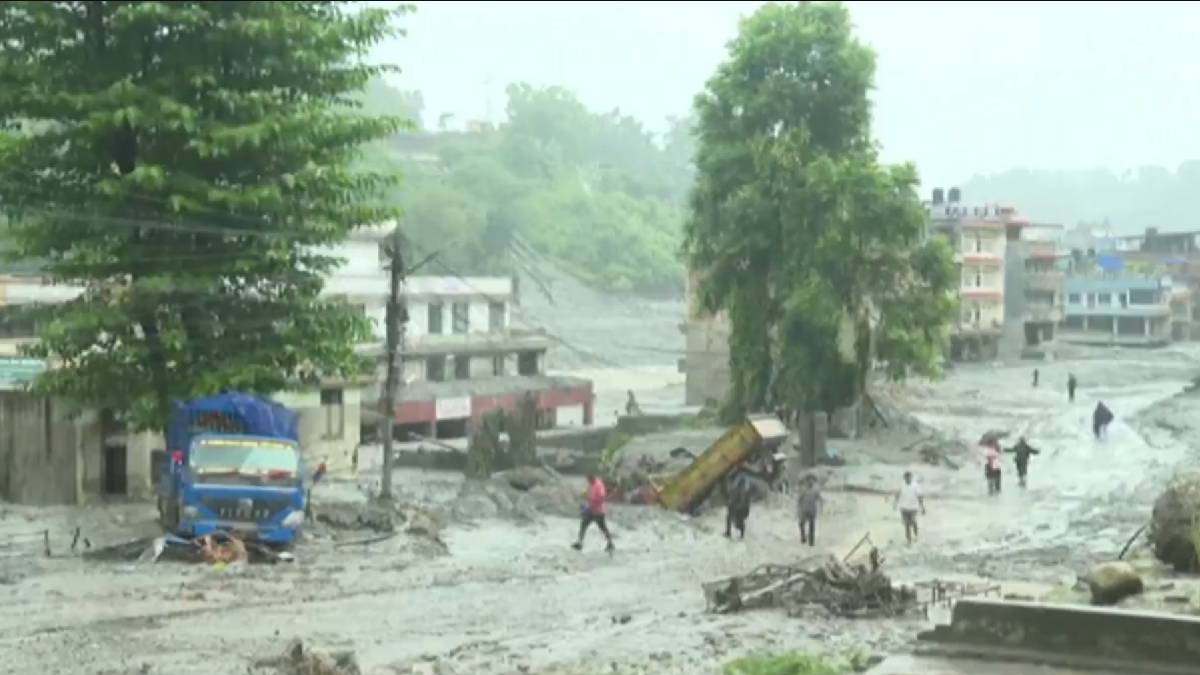
The disaster has been among the most severe natural catastrophes to hit the Himalayan region in recent years. The latest figures on Monday show that the scale of the tragedy is only spreading, with rescue teams able to reach areas that had been previously too remote or impossible to reach.
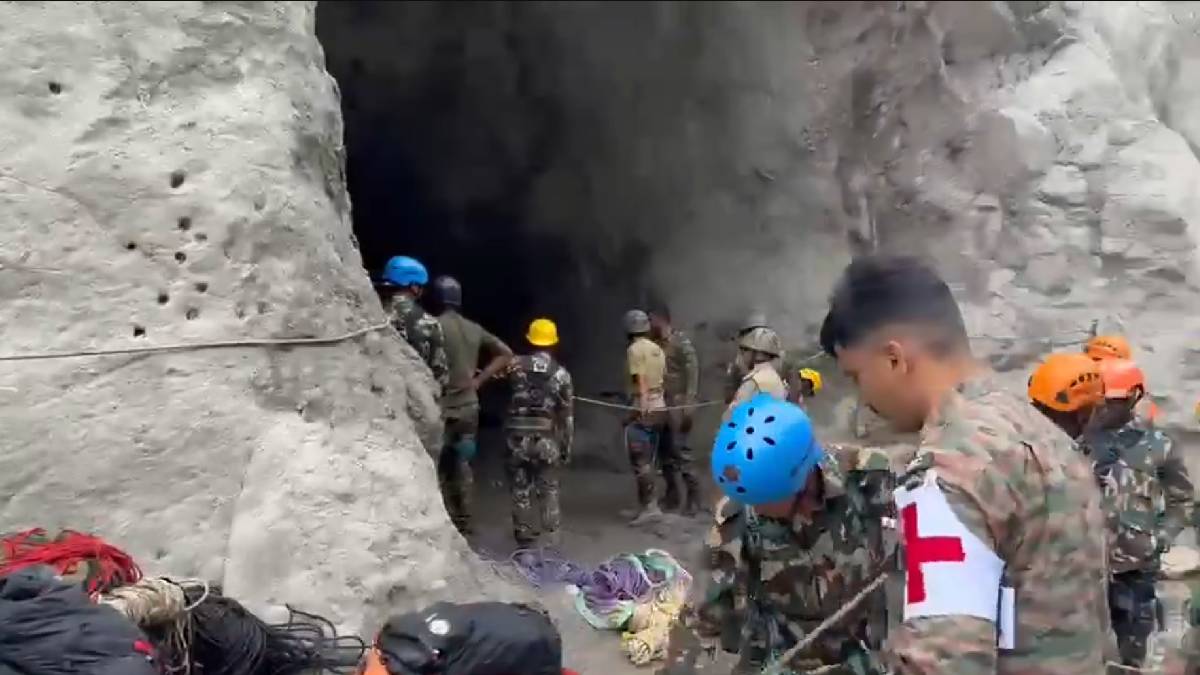
A particularly serious situation has emerged around Rasuwa and Nuwakot districts where several hydropower projects were affected by the disaster. Rescue teams are trying to reach hundreds of workers believed to be trapped inside tunnels at hydropower sites. Reuters reported that around 933 workers were trapped in tunnels at 11 hydropower projects and teams were using heavy equipment, controlled blasts and life-detection technology in the rescue effort.
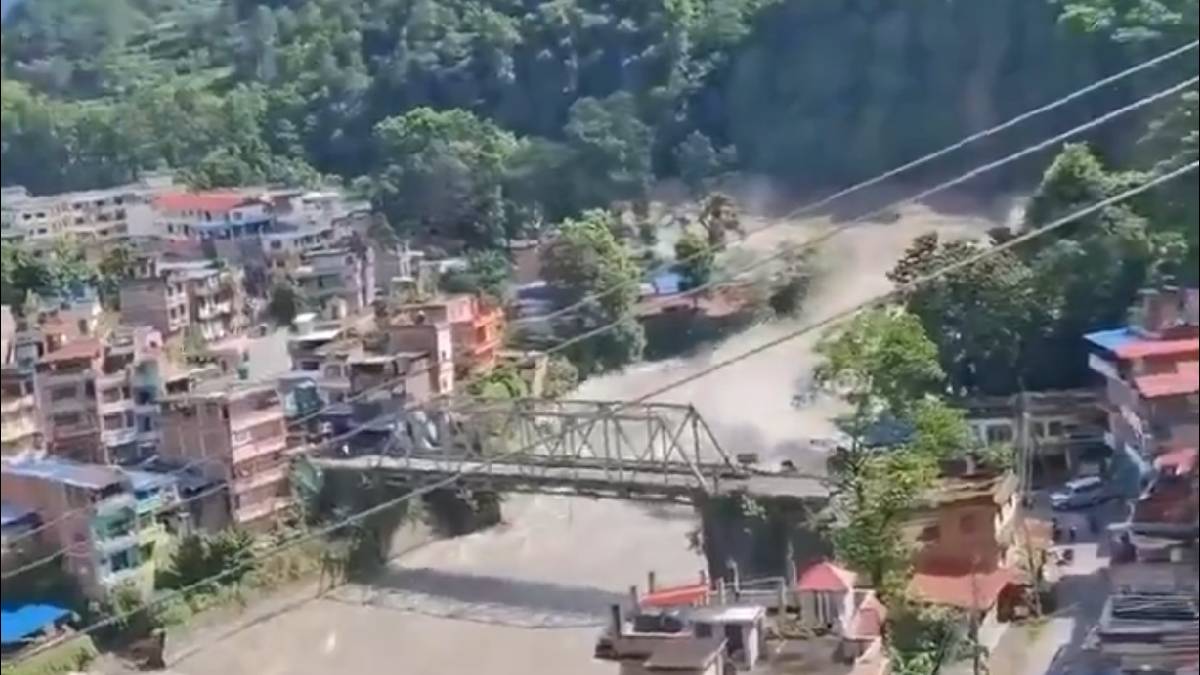
The floods were triggered by a catastrophic event happening near the Nepal-Tibet border. The huge collapse of glacial and mountainous materials caused huge volumes of water and debris to surge through rivers and mountains. Villages, roads, bridges and infrastructure were destroyed in hours.
Nepal floods : Death toll mounts to 903; 4,247 people still missing. pic.twitter.com/C3c1LCNjCq
— News Arena India (@NewsArenaIndia) August 31, 2026
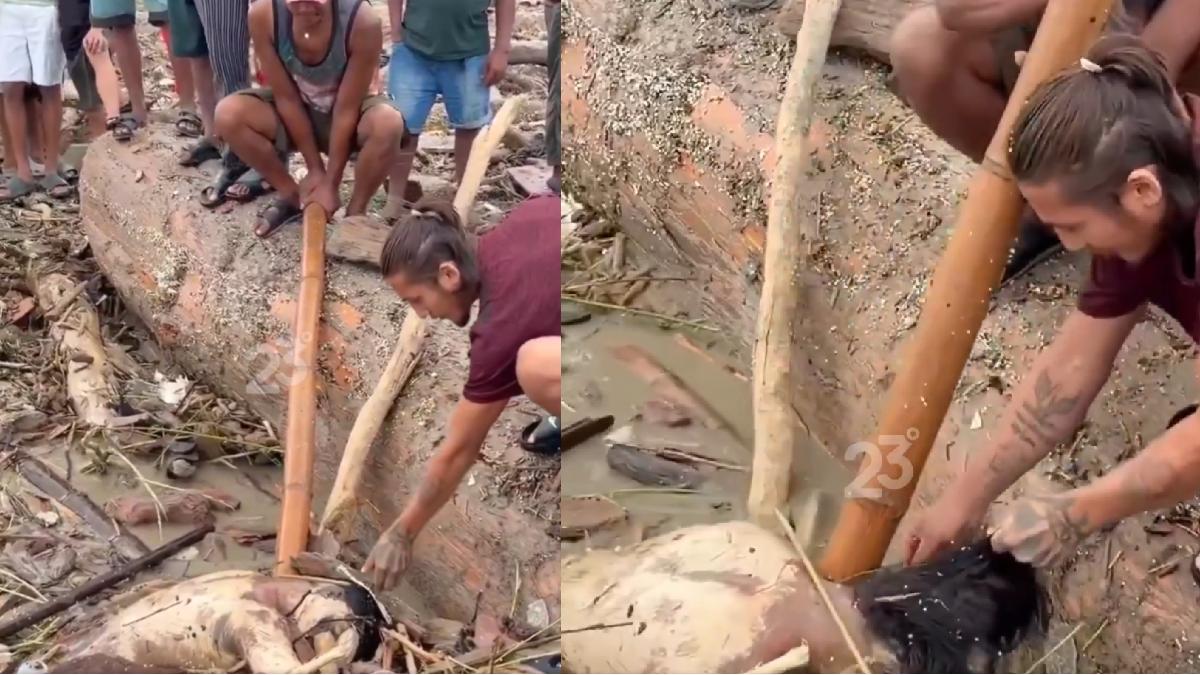
The destruction is creating difficulties for rescue teams to reach remote communities. Mountainous terrain, damaged roads and continuing geological problems are making it difficult for emergency teams to reach isolated communities. Unstable lakes and other areas where further flooding or landslides may occur are also being watched by officials.
The number of missing people has added another layer of uncertainty. Nepal’s disaster authority said 592 foreigners were among the missing. The affected region has crucial routes traversed by tourists, pilgrims and workers, so authorities are still trying to find out who is missing and where those people are.
The rescue activities have been intensified by Nepalese troops and international help. Teams from India and China are engaged, and helicopters are being used to reach sites cut off by destroyed roads and bridges.
The magnitude of the emergency has also impacted critical infrastructure. Hydropower facilities, transportation links and communications networks have been damaged so considerably that rescue efforts and relief supplies are hampered.
Families of missing workers and residents are still waiting for information about their lost loved ones. In some of the affected areas, rescue teams are now in search of survivors in damaged structures and tunnels. But with the tough conditions and the time since the disaster struck, the operation has been difficult.
The disaster has also raised fears for the imminent threat to Himalayan communities from glacial instability and extreme natural events. That is because of the poor infrastructure and exposure to landslides, floods and glacier-related hazards in a mountainous region that is particularly vulnerable.
The latest Nepal figures are part of a wider regional disaster. Chinese authorities have reported 16 deaths and 546 people missing in neighbouring Tibet, taking Nepal and Tibet’s combined death toll to at least 919 and nearly 4,800 people unaccounted for.
Rescue teams are still working across the affected areas despite the enormous difficulties. Emergency workers are using helicopters, heavy machinery and specialist equipment to reach isolated areas and search for people who might be trapped.
For Nepal, the immediate priority is to save lives, find missing people and assist communities whose homes, roads and access to essential services are lost. That’s where government and rescue agencies will also have to assess the full extent of infrastructure and economic damage once immediate rescue operations are completed.
With the death toll at 903 and 4,247 people still missing, the humanitarian situation remains extremely serious. Search and rescue operations still have to contend with difficult terrain, damaged infrastructure and ongoing geological hazards.
The next few days will be crucial as authorities seek to get to isolated populations, identify recovered victims and determine the fate of thousands of people still missing.