Indonesia’s constitutional court has dismissed the legal challenge challenging the education credentials of Vice President Gibran Rakabuming Raka, as in the case that had made the qualifications of one of the country’s most prominent political figures a focus of the country’s attention.
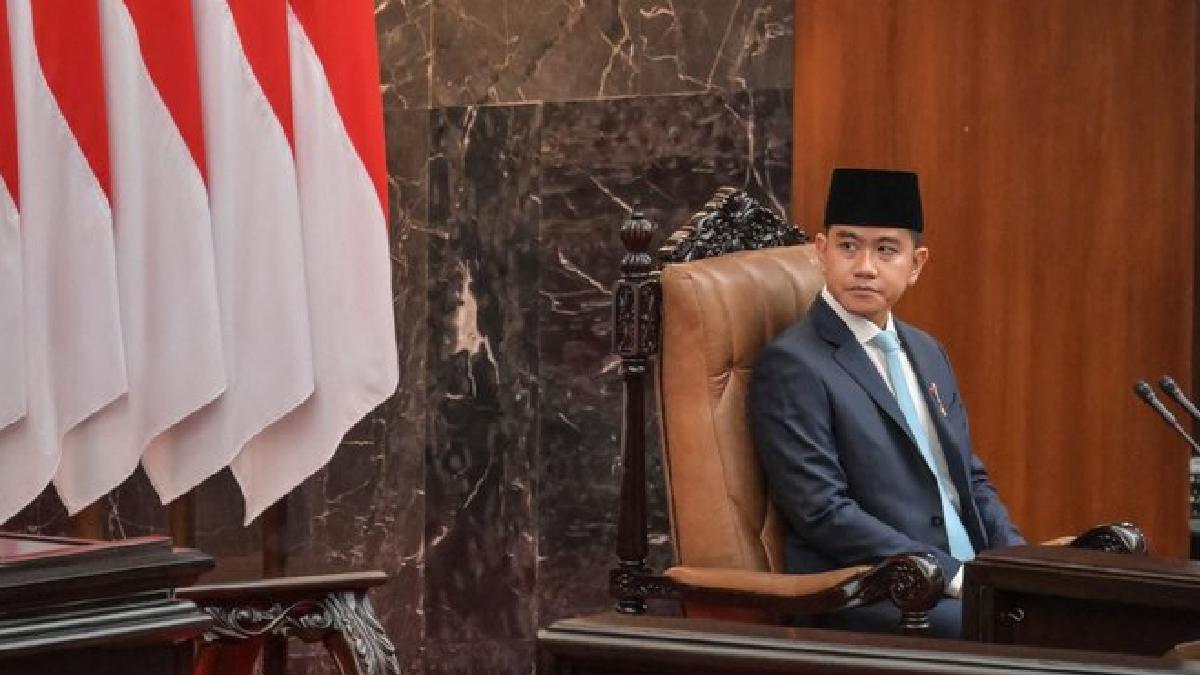
The challenge was based on Gibran’s education background and whether he had been up to the qualifications of the vice president.
The Constitutional Court’s decision means the petition will not proceed and that Gibran can continue to serve as Indonesia’s vice president without a change which comes from this particular legal challenge.
The case has been watched closely because Gibran, the eldest son of President Joko Widodo, entered national politics at a relatively young age and became a major player in Indonesia’s 2024 presidential election.
He was elected vice president alongside President Prabowo Subianto and took office in October 2024.

Gibran’s eligibility and qualifications have been the subject of legal and political debate for years. His campaign itself was a topic of controversy before the 2024 election, particularly after Indonesia’s Constitutional Court changed the age requirement for presidential and vice-presidential candidates.
The latest petition was specifically about his education. Such challenges can generate a lot of public attention in Indonesia, where constitutional requirements for senior political office are closely examined by political groups, civil society organisations and voters.
By dismissing the challenge, the court has essentially declined to grant the petitioner’s request for legal action based on arguments presented. This decision does not change Gibran’s existing position as vice president and allows for the continuation of President Prabowo Subianto’s administration in the case.
Gibran’s educational history has been extensively discussed in Indonesian public life. He studied in Singapore during his school years, later went to the Management Development Institute of Singapore and finished his education in Australia.
His academic background has occasionally been the subject of political debate since then, especially in arguments on his eligibility for the position of national presidency.
The court’s decision is also significant for Indonesia’s constitutional system. Issues of elections, constitutional interpretation and eligibility of public officials are among those that the Constitutional Court rules on by a large margin. So its decisions have far-reaching implications beyond that for individual cases.
The dismissal is not likely to end the political debate over Gibran, but at least it removes a legal challenge to his education credentials from the judicial process. Gibran is still the vice president under the Prabowo administration.
The case illustrates how questions about educational qualifications can be subject to wider political contests, particularly when those issues are very important to senior politicians.
Gibran gets a legal result on one issue and the political conversation around his career is not disrupted.