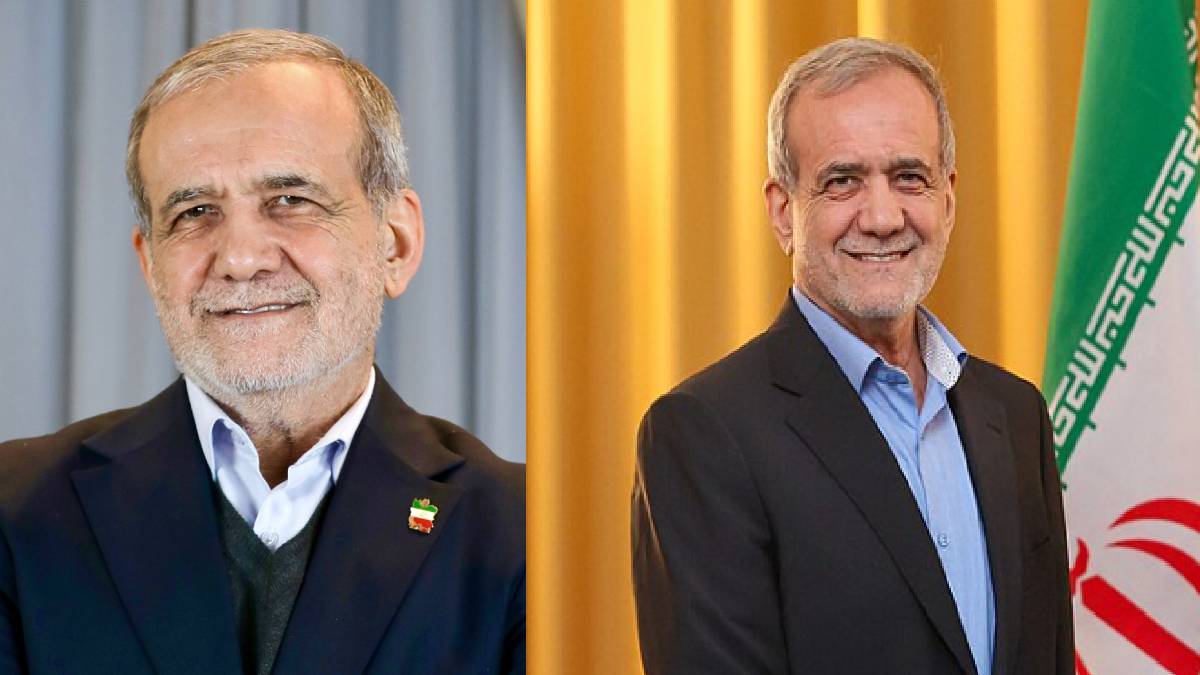
In one of the worst flare-ups of tensions in the Middle East, Iran’s Defense Minister Aziz Nasirzadeh has been killed in coordinated U.S.-Israeli airstrikes on Tehran. The assault, reported by Iranian state media, also killed several other senior military officials, including Army Chief of Staff General Abdolrahim Mousavi. The strike is said to be one of the most significant military operations in the area in decades.
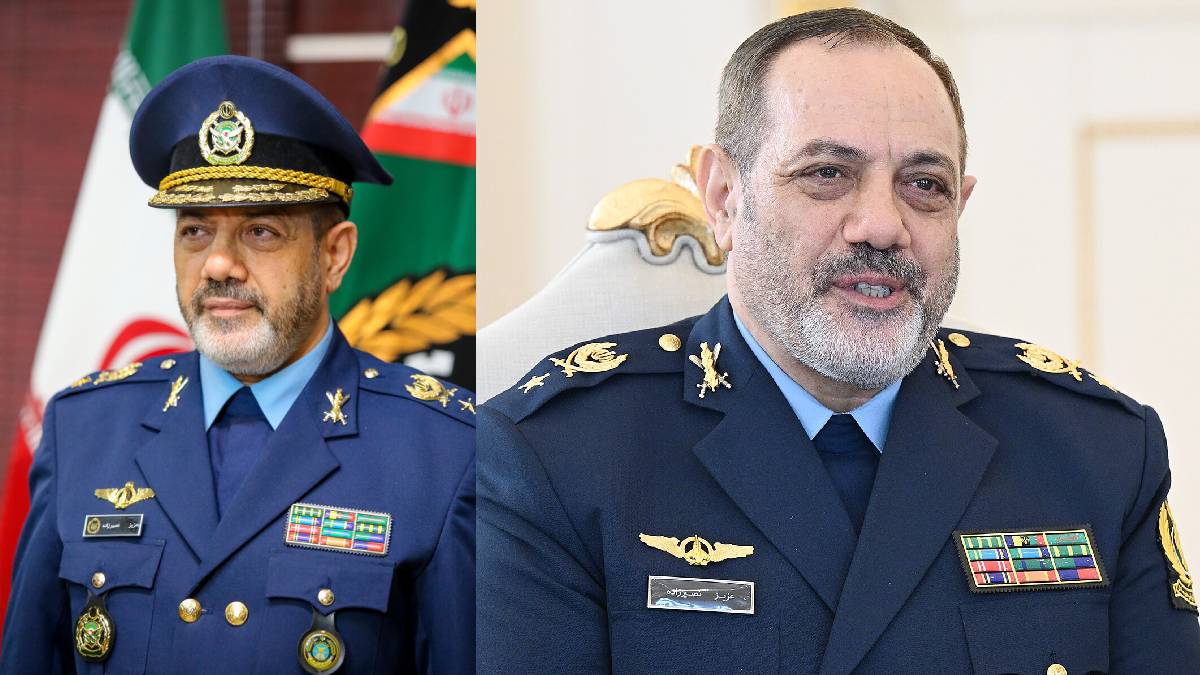
Nasirzadeh was an active-duty military officer and a veteran of the Iran–Iraq War. Before joining Iran as Defense Minister in August 2024, he was commander of the Iranian Air Force and deputy leader of the Defense Staff. In that role, Iran pursued its defense strategy, centered on deterrence, military cooperation in the region and resistance to U.S. and Israeli pressure.
The Strikes on Tehran
- Date: Early March 2026
- Target: Tehran's high-level defense council meeting
- Casualties: Defense Minister Nasirzadeh; Chief of Staff Mousavi; senior commanders
- Impact: The bombings sliced off a large chunk of Iran’s military command and left the country in shock.
The joint operation shows the intricate military coordination between Washington and Tel Aviv. Analysts believe that the strikes were intended to undermine Iran’s command structure and weaken its ability to flex its influence throughout the region. The timing also underscores fears of Iran operating in the region, and supporting militant groups.
Iranian leaders have pledged retribution calling the attack an act of war. The Islamic Revolutionary Guard Corps (IRGC) has pledged a “strong and decisive response.” It is of concern for escalation between states in the Middle East, implications on global oil prices and regional security.
- Energy Markets: Fears of turmoil in the Gulf are expected to spark sharp increases in oil prices.
- Regional Security: Neighbouring nations are preparing for potential Iranian attacks.
- Diplomatic Fallout: The strike will probably put a strain on relations between Iran and others seeking to mediate peace in the region.
It is a major turning point in the U.S.-Iran-Israel relations that sees the killing of Defense Minister Aziz Nasirzadeh. By removing one of Iran’s top military commanders, Washington and Tel Aviv have made a strong statement. But the consequences could be dire, as the risk of retaliation and broader conflict lurk.