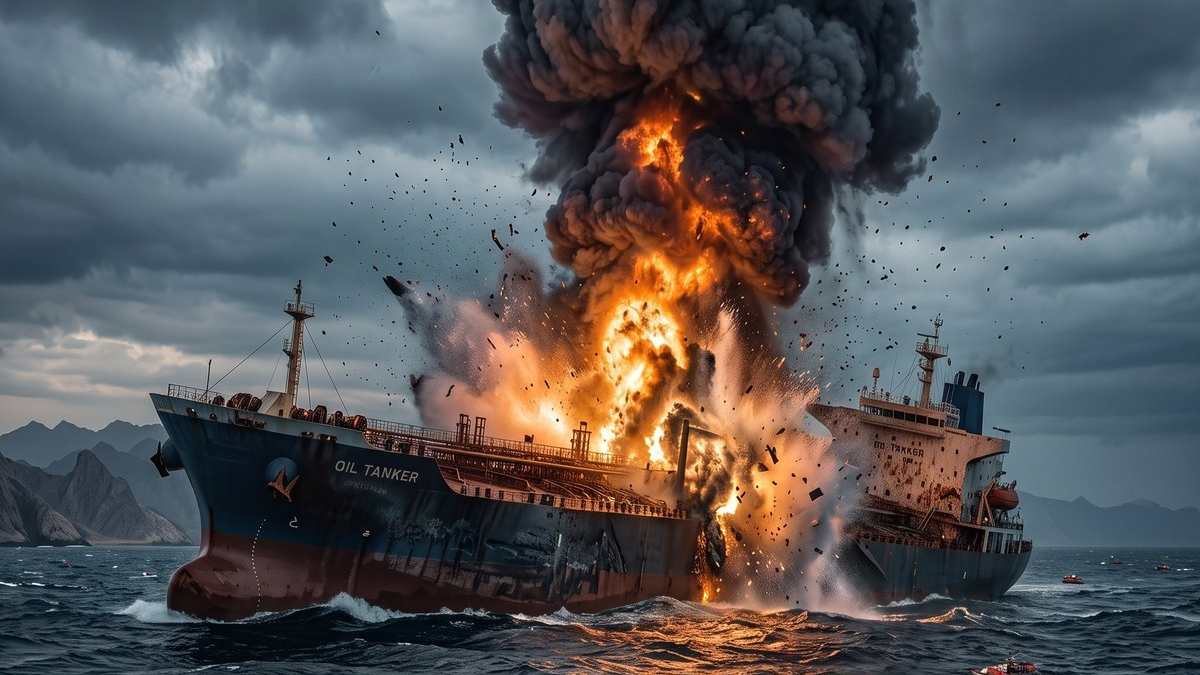
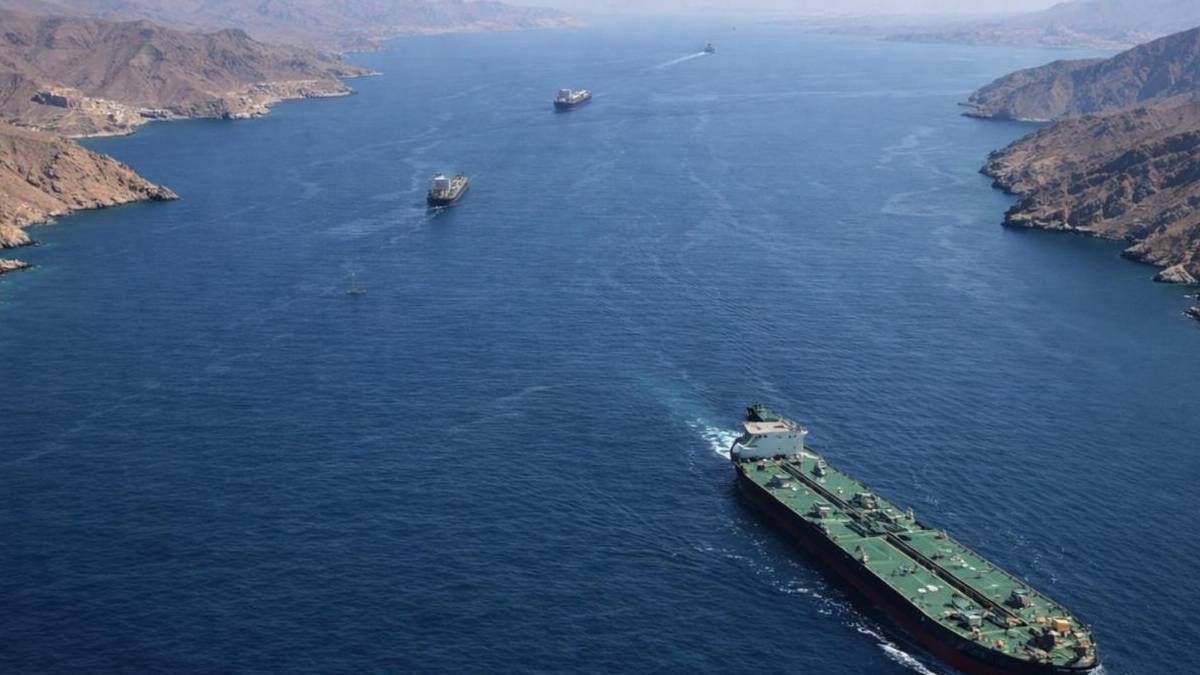
Iran’s Islamic Revolutionary Guard Corps (IRGC) claimed that it intercepted and stopped four vessels trying to pass through the Strait of Hormuz, ratcheting up tension in one of the most vital maritime chokepoints in the world.
The move comes at a time when regional security is not so good and with Iran, the United States and several Gulf states in conflict.
According to Iranian state media, the IRGC Navy said the ships were halted in what it said was a security operation in the Persian Gulf. Iranian officials claimed that the ships were involved in suspicious maritime activities, though they did not immediately disclose the ships' names, nationalities, cargo or final destinations.
The Strait of Hormuz is one of the busiest energy corridors in the world and accounts for nearly one-quarter of global oil and a large portion of liquefied natural gas (LNG) shipments in the narrow waterway every day. Any disruption in the strait has the potential to affect global energy markets, shipping routes and international trade.
The latest incident is coming after months of increased military activity in the Gulf region. Iran has repeatedly threatened to respond aggressively to what it regards as hostile behavior in its territory. Western states have been in the Gulf for decades and have kept a naval presence in the region to safeguard commercial shipping and ensure freedom of navigation.
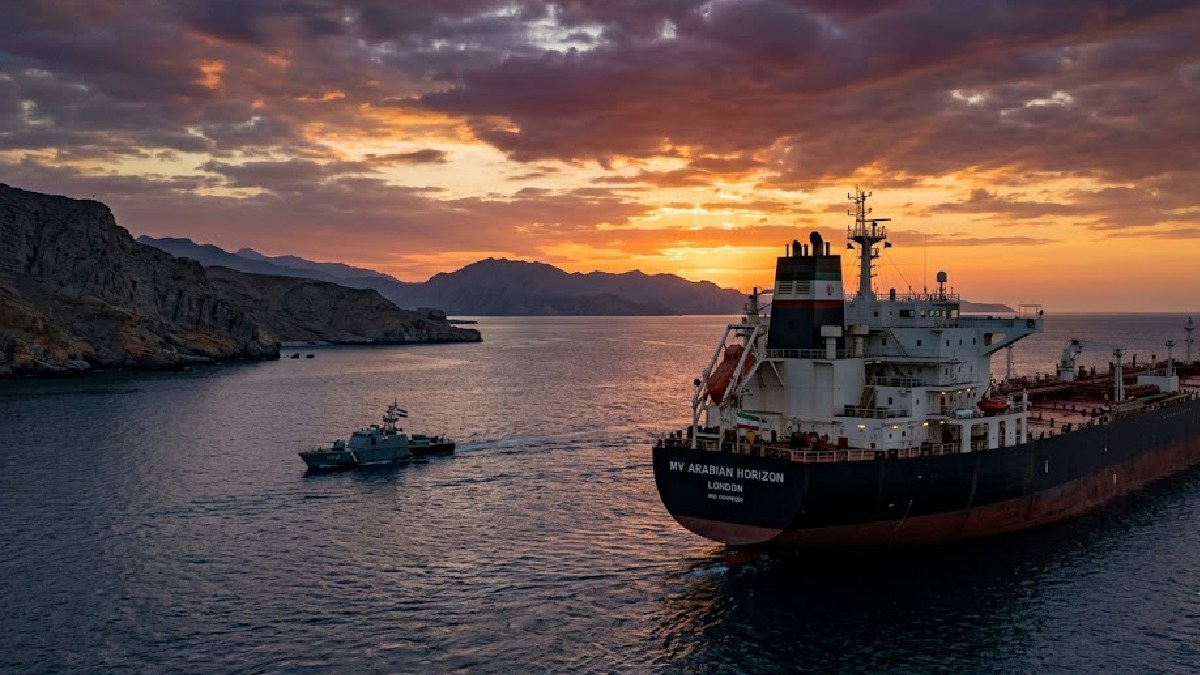
Iranian officials claimed that the operation was carried out properly but international maritime agencies or governments of the countries that may own or operate the vessels were not confirmed as to their operational success. Independent verification of Iran’s allegations are currently not available at the time of writing.
The shipping industry is closely watching developments in the Strait of Hormuz with a long-term disruption in the Strait of Hormuz could be very much on the minds of shipping industry observers as it means higher insurance rates for commercial vessels to be paid, cargo delays and crude oil prices will be affected.
Energy analysts say that any security events in the region that take place can also be problematic for the market as the region can be more volatile in the world commodities market.
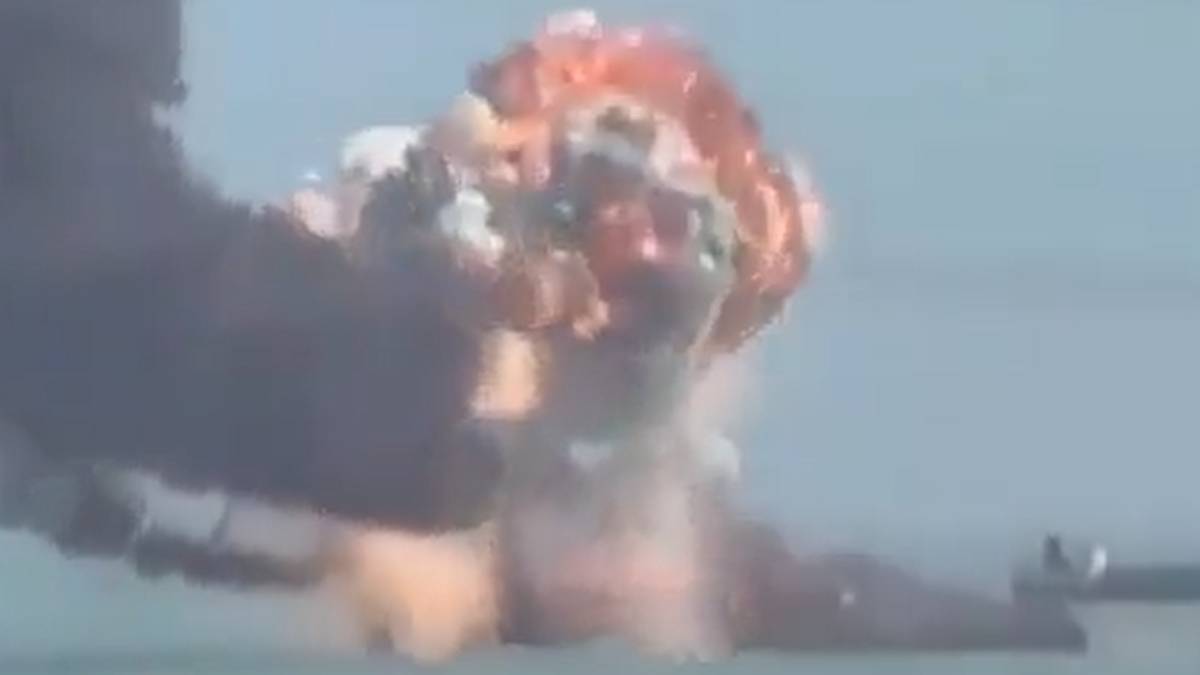
🇮🇷 IRGC Navy drone strikes a tanker in the Strait of Hormuz
— Mario Nawfal (@MarioNawfal) July 17, 2026
Source: @TabzLIVE on TG / Writer: Oliver pic.twitter.com/Da1IzU07qa
But the U.S. and allies have always stressed the importance of keeping open sea lanes through the Strait of Hormuz. International maritime organizations have also encouraged all parties to exercise restraint and avoid actions that might threaten commercial navigation.
Security experts see the latest development as further evidence of ongoing geopolitical rivalry in the Middle East as maritime security has become more and more entangled with broader regional conflicts. Naval patrols, commercial tankers, and military vessels have also regularly occurred over the past few years, underscoring the Gulf’s strategic significance.
As the situation develops, governments, shipping companies and energy markets will definitely be watching for further information about the intercepted vessels and any possible diplomatic or military response. It is uncertain until independent details about what happened to the four ships Iran intercepted, however.
The Strait of Hormuz continues to be one of the world’s most sensitive maritime passages, and so every security-related incident there is a matter of global economic and geopolitical concern.