Iran denied the allegations, which the UAE said were based on ballistic missile tests, and warned such accusations would damage the Gulf trust system. The UAE suspended trade, commercial exchanges and financial transactions with Iran in response to the threat of attack based on the increasing security situation in the region.
The latest dispute adds further tension to a tense region where Gulf states monitor each other and their troops and threats to their territory. The UAE Defence Ministry said its air defence systems detected two ballistic missiles launched from Iran toward the country. One of them fell into the sea and the other landed in UAE territorial waters and outside it.
A week later, UAE Ministry of Foreign Affairs said it has frozen all trade, commercial and financial transactions with Iran until further notice. They have been closely linked in the economic relationship but the political and security interests of both countries are diametrically opposed.
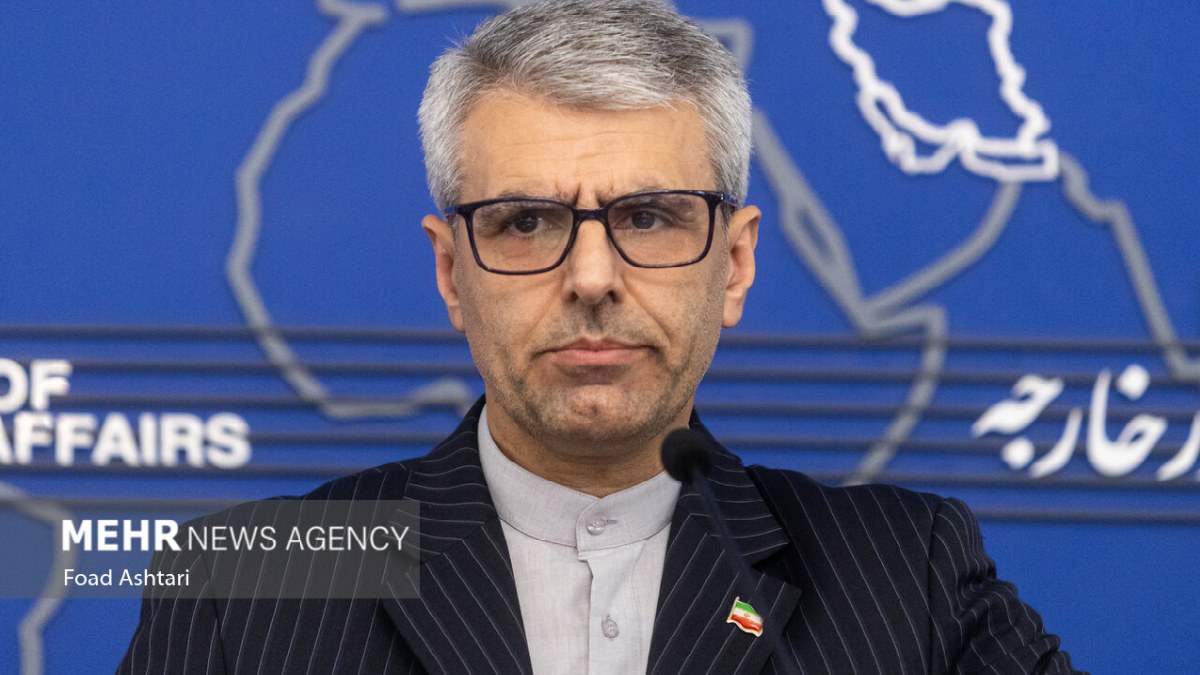
Iran has denied responsibility for the alleged missile attack. Iranian Foreign Ministry spokesman Esmaeil Baghaei did say the UAE's accusations were unhelpful and contrary to good neighbourly relations, in a press conference at the time. Gulf countries should avoid such baseless claims that could jeopardise regional dialogue and confidence, he said.
Baghaei also mentioned actions by the United States and Israel as contributing factors to the increasingly complex security situation in the Middle East. Tehran has repeatedly claimed that the regional instability cannot be separated from military operations and geopolitical tensions between the two countries.
The dispute between Tehran and Abu Dhabi is a particularly sensitive moment for the wider Gulf region at this very sensitive point. Any missile activity between Iran and a Gulf state will be highly sensitive because the consequences of missile activity with Iran and a Gulf state would be of particular concern for civilian safety, energy infrastructure, shipping routes and regional trade. Also, the UAE is a major commercial and financial centre and a key commercial and financial hub, so continued disruption of cross-border economic activity could have repercussions beyond the two countries.
The suspension of financial and commercial ties would also affect businesses in Iran and the UAE that are working with and from Iran. The UAE was always one of the key economic nodes for Iran’s businesses and traders and was an economic gateway to the country, and the decision to stop the link with Iran can be seen as very important for those who are importing, exporting, logistics and financial services.
Moreover, Iran faces another major challenge on the domestic front, with officials warning of potential shortages of natural gas in the upcoming winter with Iran’s gas infrastructure damaged in the war with the U.S., and the national gas network has been weakened in some provinces that have been affected by damage to the country’s gas infrastructure during the war with the United States.
Houshang Seydali, director of gas distribution coordination at the National Iranian Gas Company, said several provinces could suffer supply problems if they do not take strong and coordinated measures to alleviate them ahead of winter. Seydali said comprehensive planning was necessary to prevent gas shortages.
The warning shows the repercussions of damage to critical infrastructure. Iran’s natural gas network is the main one for heating and electricity generation and manufacturing in the colder months. So a long-term disruption will affect households as well as businesses and basic services.
For now, the diplomatic spat between Iran and UAE is still closely linked to the regional security picture. Abu Dhabi has pointed to the missile launches as a reason for the trade and financial sanctions; Tehran stands by its position of rejecting the allegations and calling for restraint.
The divergent positions leave Iran-UAE relations at a point where the future of Iran-UAE relations will be uncertain. If the economic ties are suspended for a little while or even worse if the situation goes off course, the outcome will depend as much on the military and diplomatic efforts. With regional tension high, both sides will have to act to keep the dispute from worsening and the Gulf stability from deteriorating.