Ex-BJP national spokesperson Shehzad Poonawalla has opened up about the reasons for quitting all positions in the Bharatiya Janata Party as financial pressures were among the reasons behind the move. So although Poonawalla is still a BJP member, and as per him, he is still living in the party’s ranks he is not able to afford the daily expenses like rent.
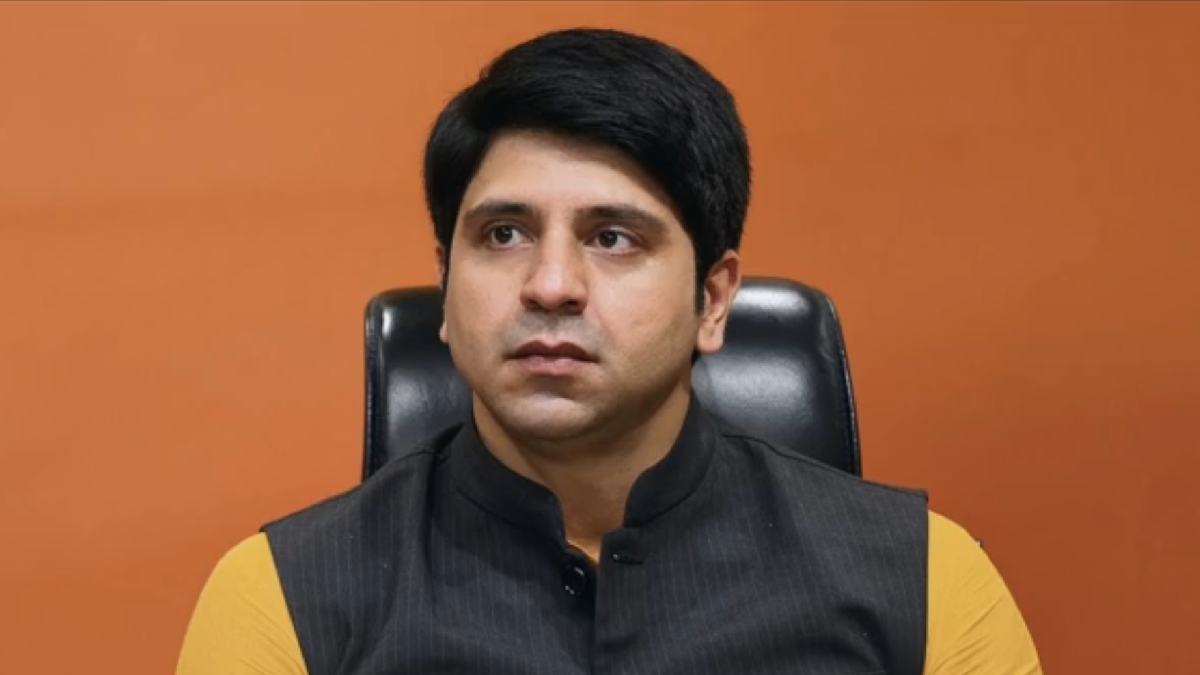
Poonawalla quit on Monday and said that he had submitted his resignation to BJP National President Nitin Nabin. His decision was also the subject of much speculation because of his presence as one of the party’s national leaders, and his political journey from the Congress to the BJP.
Poonawalla explained that political parties do not pay their workers or spokespersons salaries. While political activism can be motivated by ideology and commitment, personal financial obligations continue to exist, he said.
“I need to pay my rent. My landlord is not going to give me free rent because I’m from the BJP. He’s asking me for rent on the 1st. Political parties don’t pay karyakartas (workers),” Poonawalla said.
His comments highlighted a less-discussed aspect of political life, particularly for those who enter politics without a background in politics or any independent money. Poonawalla said he never viewed the BJP as his employer and did not expect the party to financially support him.
Poonawalla told us that his association with the BJP was always based on ideological conviction, his admiration for Prime Minister Narendra Modi and his commitment to the organisation. But resignation from party responsibilities doesn’t mean that those ideological beliefs have disappeared.
"The BJP’s job is not to sustain me or any other karyakarta. See, when you join a political movement, this is not a job,” he said. He said people become party workers because they are attracted to an ideology, a particular leader or the organisation itself, and those relationships are still very much important to him.
Poonawalla Says First-Generation Politicians Face Different Challenges
Poonawalla also pointed out the financial and professional challenges for first-generation politicians. Unlike leaders who come from powerful political families, he said, newcomers may not have inherited wealth, political networks or alternative sources of financial support.
He described himself as a first-generation politician who had to build his political career independently. Poonawalla also questioned the assumption of every politician having access to financial security or a well-established family network.
“Why do you think that all politicians are from leta (taking some benefits) or beta? I neither do leta, that means taking anything, nor am I some big politician’s beta (someone’s son),” he said.
Poonawalla said there is an expectation that politicians have access to a certain lifestyle. For many new-generation political workers who do not inherit political influence or financial resources, he said, that is not true.
He referred to politicians from powerful political families and said people have become accustomed to seeing leaders with established political legacies. First-generation politicians may have to juggle their professional and personal responsibilities without the same support systems.
‘BJP Is My Ideological, Not Employment Opportunity’
Poonawalla also claims that his resignation was not sudden. As early as 2024 he had considered leaving the BJP and had expressed his concerns to party leadership, he said.
His latest comments suggest that the decision was informed by the professional uncertainty as well as practical necessity of providing for himself financially. Rather than saying his resignation was a refusal to agree with the BJP’s world view, Poonawalla framed it as a personal choice based on personal circumstances and not political ideology.
His explanation also underlines the difference between political activism and conventional employment. Party workers may spend a lot of time and effort on political activities but they don’t necessarily have a fixed salary or benefit from that activity.
Poonawalla was ultimately driven by the need for a sustainable livelihood. But at the same time he maintained that his political conviction and support for the BJP's larger political vision predicated on party membership was separate from his decision to step out of that role.
His resignation has therefore raised the financial reality of political work for those who enter public life without a family legacy. Poonawalla's comments suggest that ideological commitment alone may not always be sufficient to sustain a political career when basic financial responsibilities require a dependable source of income.
As he moves away from his formal positions within the BJP, his comments leave open the question of what his next professional and political action will be. For now Poonawalla has framed his decision primarily as a practical one and has made it very clear that his ideological affiliation to BJP remains the same.