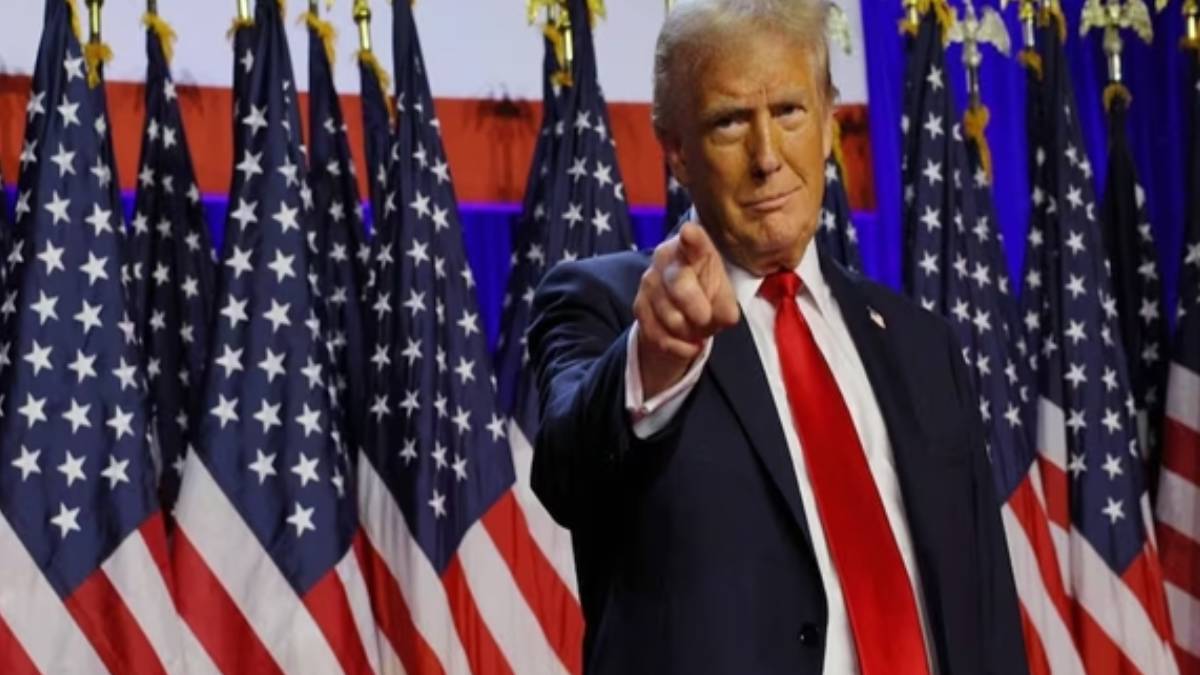
Trump is once again driving the agenda for direct contact with North Korean leader Kim Jong Un and Washington and Seoul are pulling back on joint military exercises on a grand scale.
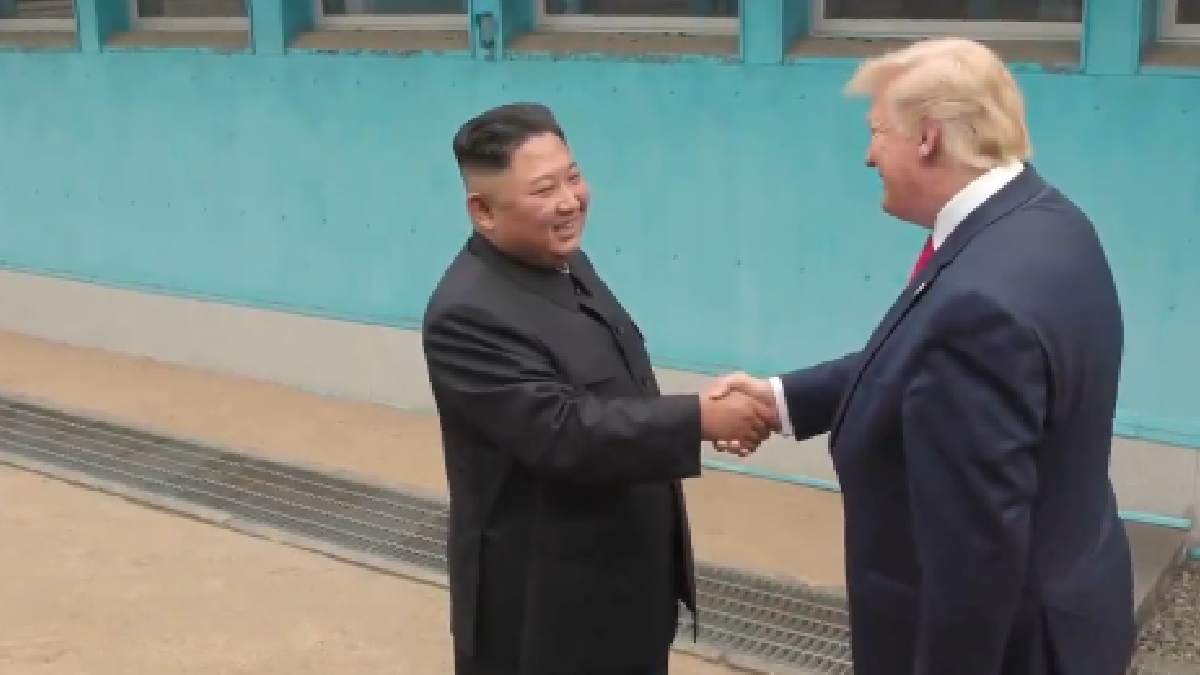
The development has reignited speculation of a Trump-Kim summit later in 2026 and raised questions about the security alliance’s future.
The United States and South Korea have agreed to shorten and reduce the scope of the ongoing Ulchi Freedom Shield military exercise. The drills started on August 17 and were to be running until August 27 but will end on August 21.
The second phase of counterattack operations has been canceled and some field training activities have been reduced or converted into simulation.
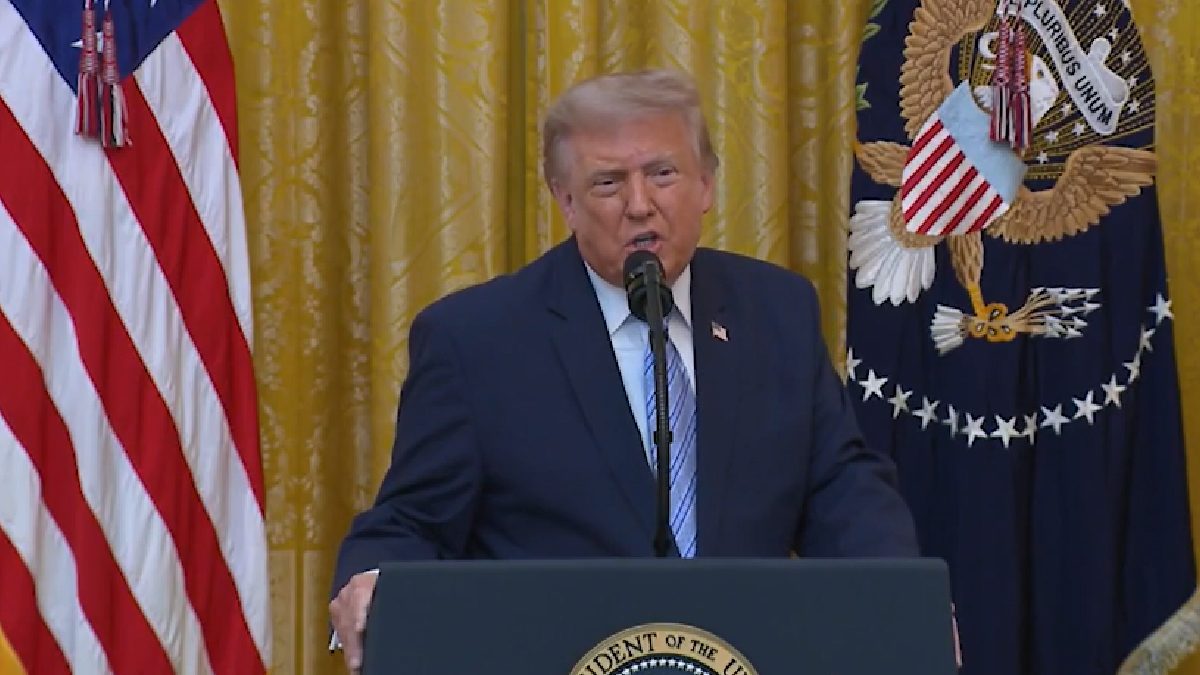
Trump has defended the decision as a matter of cost and relationship with Kim Jong Un. He has positively seen his relationship with the North Korean leader and said the military exercises can send a hostile message to Pyongyang.
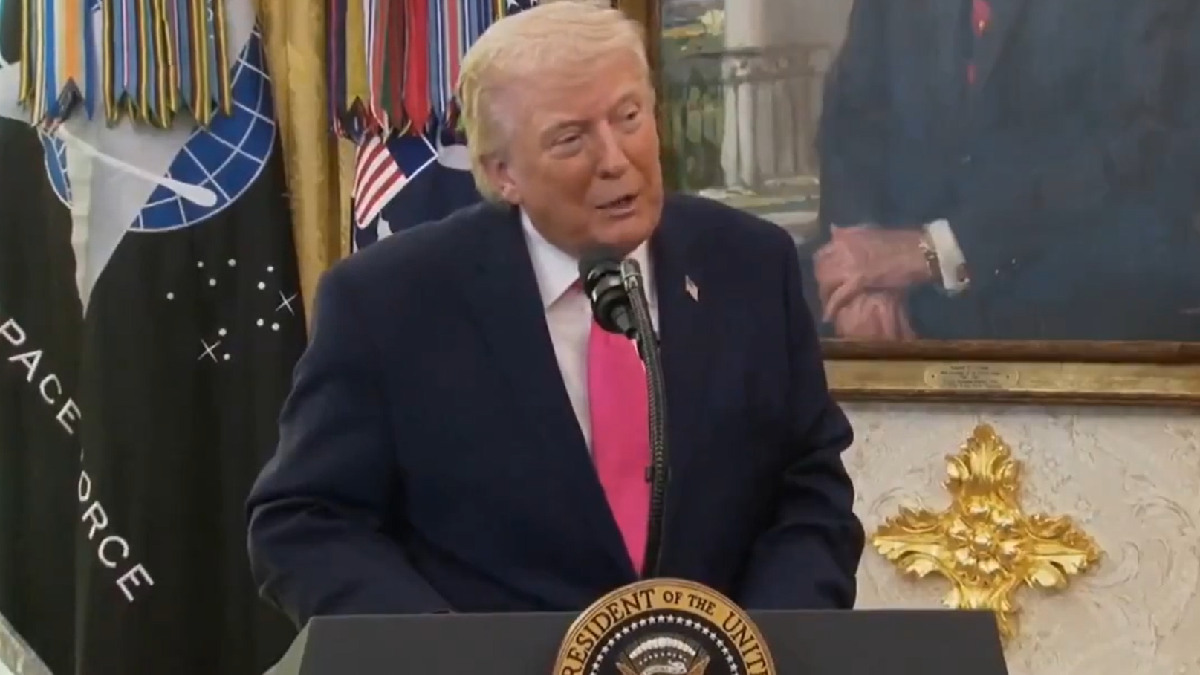
The reduction might open more space for diplomacy in his government, he has said.
The timing is significant because Trump is reportedly looking for another meeting with Kim, and possibly during a trip to Asia in the upcoming year.
There are also reports that a summit could be held in November at the time of the APEC meeting, though for now, no meeting has been held. Trump has also claimed that communication with Kim is in good shape.
US President Donald Trump has revealed that North Korea's leader Kim Jong Un has responded "very positively" to a request for talks.
— Sri Lanka Tweet 🇱🇰 (@SriLankaTweet) August 18, 2026
Trump scaled back military exercises with South Korea at the last minute on Sunday pic.twitter.com/u1jmKTMMMy
But the reduction in military exercises has raised some concerns for South Korea. The annual drills are designed to enhance the allies' ability to respond to a North Korean attack and improve coordination of their armed forces, US and South Korean officials have said.
South Korean President Lee Jae Myung has also revived calls for greater military independence after Washington's decision.
Seoul was not told in advance about Trump’s order to cut down on the drills, as well, which adds to the tension between the two countries.
And security tensions are still high on the Korean Peninsula. North Korea is still developing its military capabilities and has recently launched missiles. So analysts are still debating whether reducing joint exercises would open the way for diplomacy or weaken deterrence.
Trump’s new approach is in line with his first-term strategy, when he met Kim in Singapore and held additional talks in Vietnam and at the Korean Demilitarized Zone. The diplomacy failed to produce a permanent agreement on North Korea’s nuclear programme.
As 2026 goes on, we will see whether Trump’s outreach can lead to another face-to-face meeting with Kim Jong Un. A new summit could open the door for dialogue but also to the question of whether Washington can still stand by its decades-long security partnership with Seoul.
For now the reduction of the military drills is a big change in the balance between military deterrence and diplomacy with North Korea.