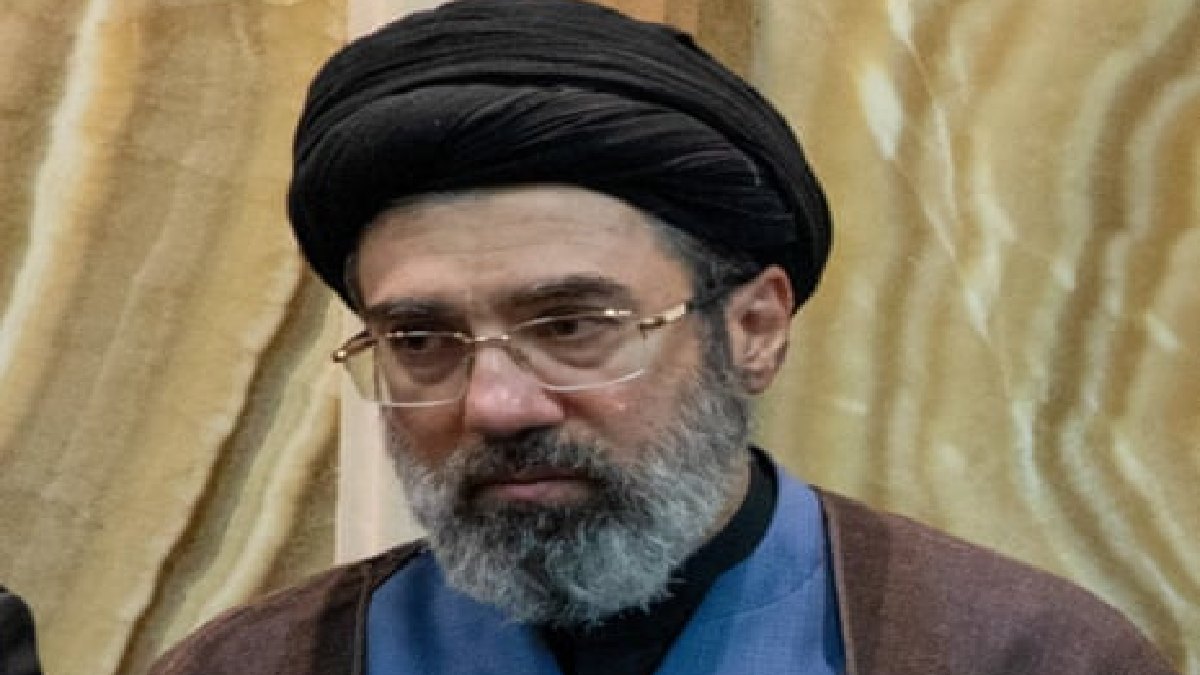
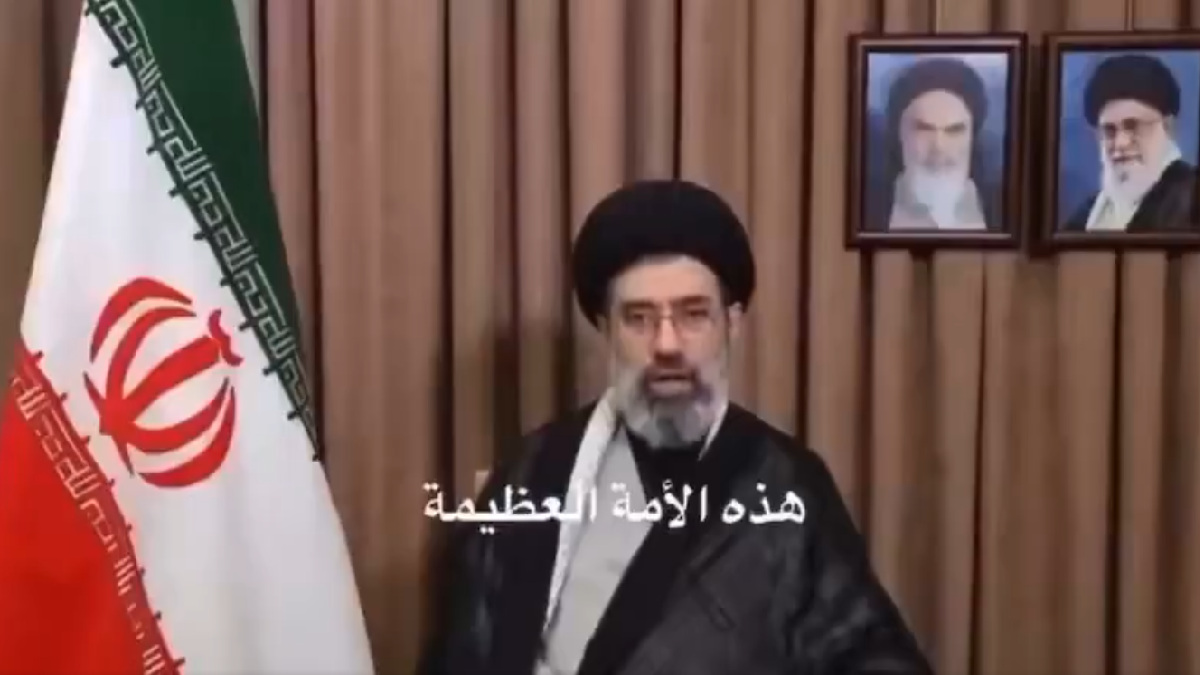
Iran has laid out a new condition for any future peace agreement with the United States: Israel must stop its military operations in Lebanon in order to make progress.
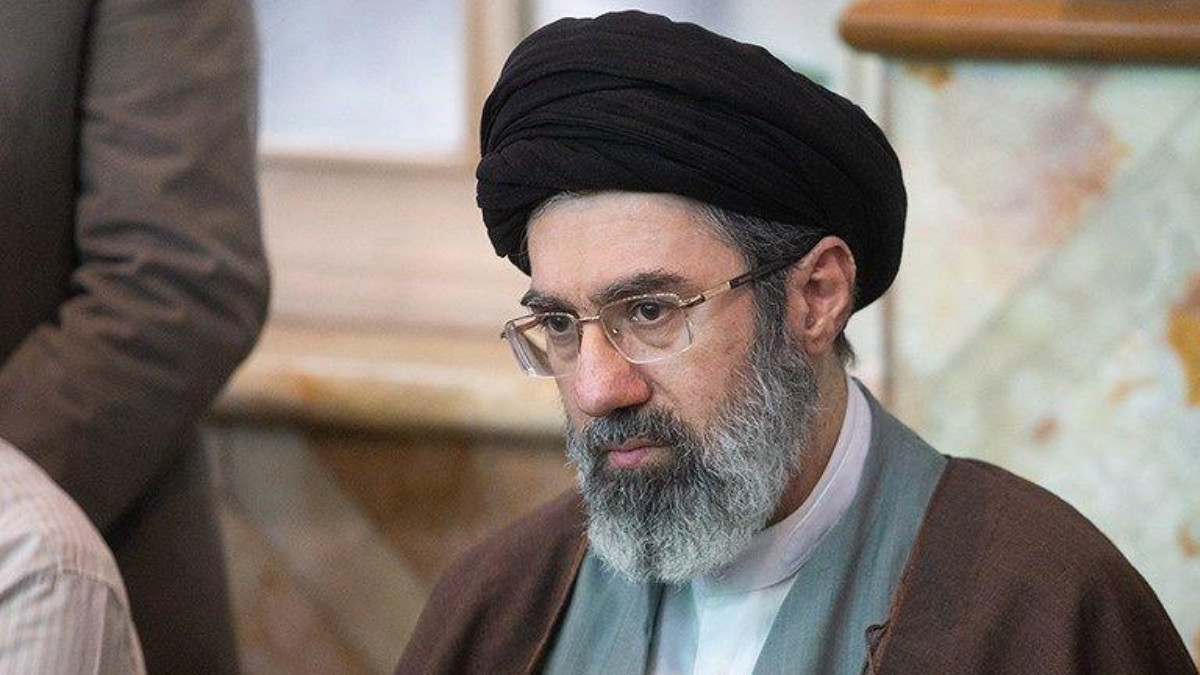
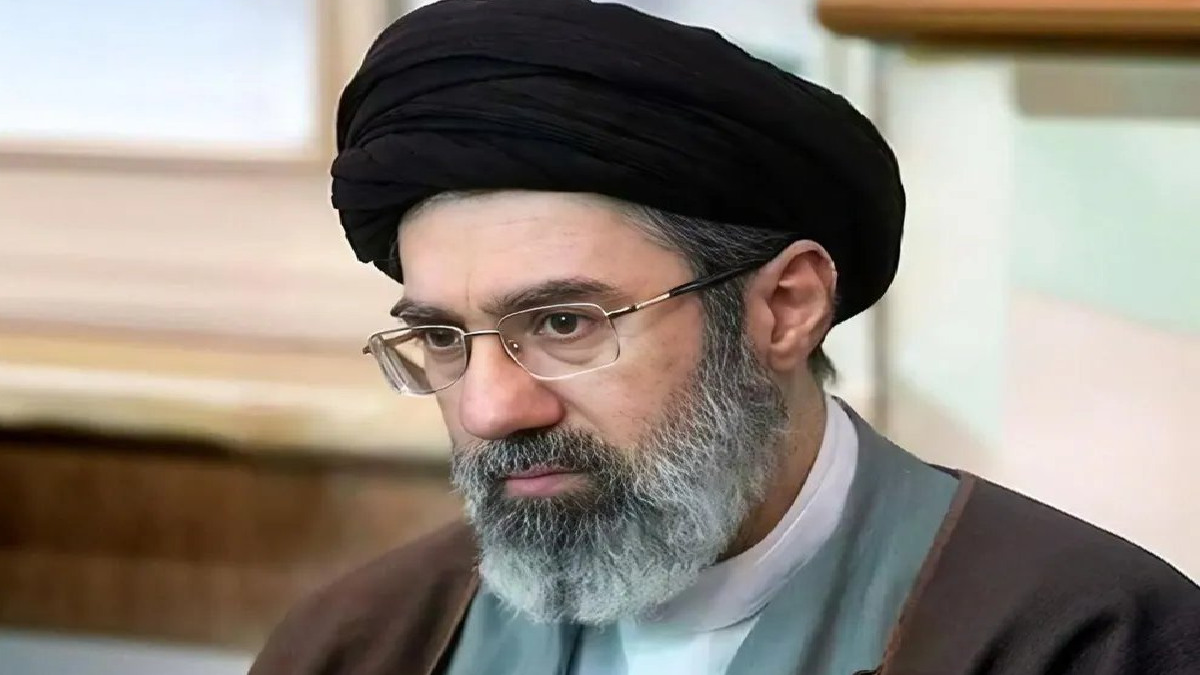
The position of Supreme Leader Mojtaba Khamenei adds another layer of complexity to diplomatic efforts to ease tension in the Middle East.
Iranian officials say that Israeli military operations in Lebanon are still a major obstacle to regional stability. Tehran says long-term peace cannot be achieved while cross-border attacks continue and has suggested that Washington should be more aggressive in restraining its ally.
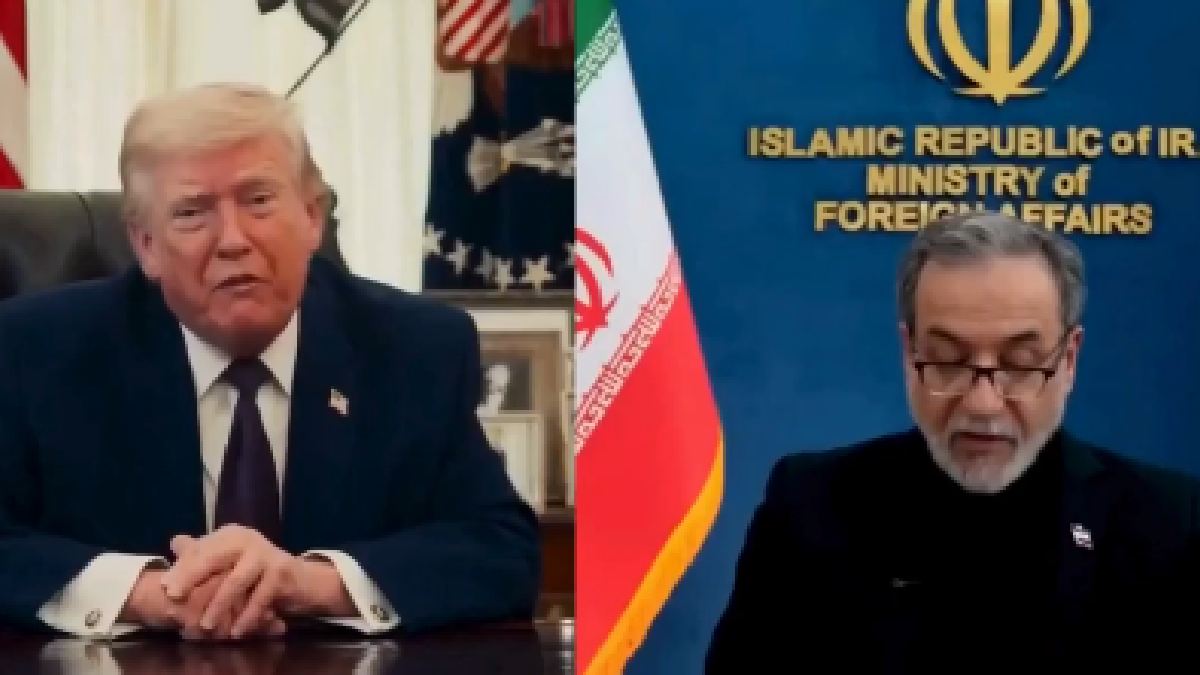
The statement comes as Iran and the U.S have resumed diplomatic talks to minimize the potential for a war, enhance regional peace, and maintain stability in key strategic areas. Both countries have made it clear that they want to avoid a bigger conflict, but Iranian officials are now putting Lebanon’s developments in the picture in the context of future talks.
Iranian officials insist that Lebanon’s sovereignty is critical and the security of this country is the key to peace in the region. They believe that ongoing military operations increase the risk of a wider battle between multiple countries and potentially further destabilize an already rattled Middle East.
But Israel has defended its military campaign, saying its operations are aimed at Hezbollah, the Iran-backed armed group that it considers a serious security threat. Israeli officials have said that military action will continue as long as Hezbollah poses a danger to Israeli territory and civilians.
Their divergent positions are indicative of the great challenges diplomats have in reducing tensions. Analysts say Iran’s latest demand broadens the scope of negotiations beyond sanctions, nuclear policy, and bilateral relations. Rather, it puts the Israel-Lebanon conflict at the center of regional diplomacy.
The United States is working with regional partners to prevent further escalation and talk to the parties involved. But balancing strategic cooperation with Israel alongside hopes for good relations with Iran is still tricky.
Indeed, experts say that any future US-Iran agreement may now depend not only on direct talks between Washington and Tehran but also on what is happening along Israel’s border with Lebanon. If military operations continue, the chances of a good understanding becoming comprehensive will be diminishing.
The ongoing tensions also have wider international implications. If there is continued instability in the region, global energy supplies will be disrupted, international shipping routes will be affected, and security in the Middle East will be further deteriorated.
Meanwhile, Iran’s new position suggests that the road forward for a long-term diplomatic peace will take a lot of work on many sides of the region.
Negotiations will have to be successful to resolve those differences, but the statement shows how interlinked Middle Eastern conflicts have been in determining international diplomacy.