“This is not just an expensive world; this is a costly world!” That is increasingly the attitude of everyday consumers shopping for vegetables in Bengaluru, as prices of some essential kitchen staples have increased ahead of the upcoming festival season.
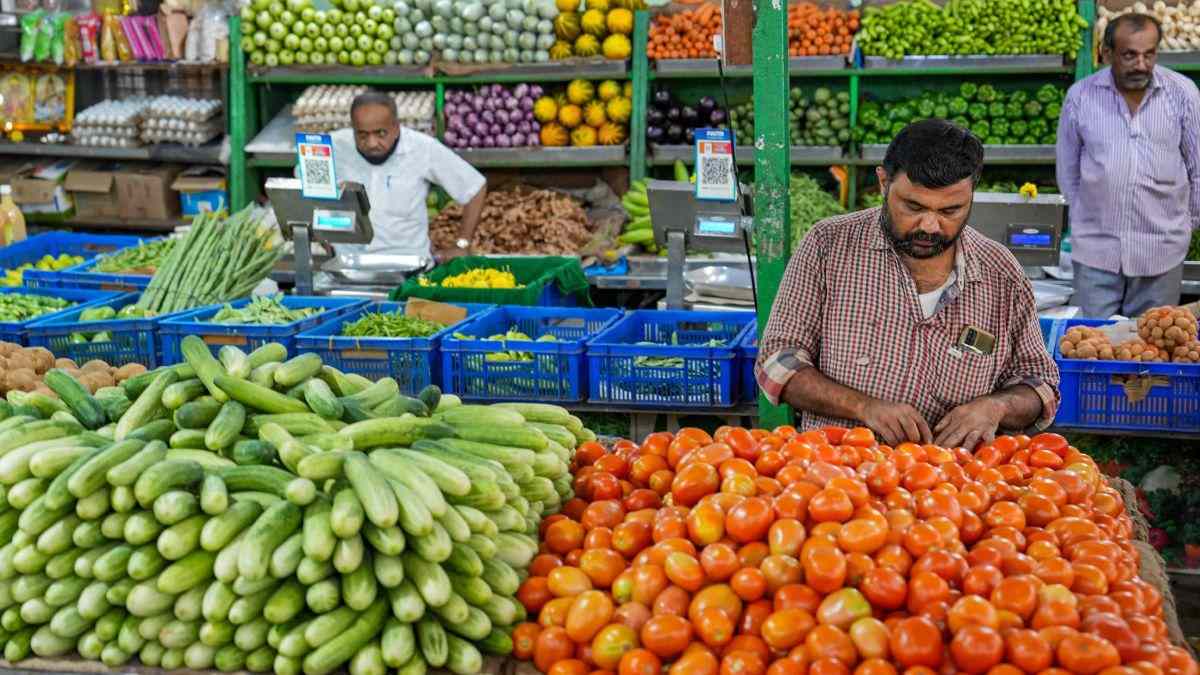
With festivals around the corner, consumers are already feeling the pinch. Shoppers say vegetable prices were lower when they visited the market last, but a few things have become even more expensive in a short time.
The increase is attributed to a lack of rainfall, loss of agricultural and horticultural crops, reduced arrivals at markets, and a supply and demand imbalance.
Check the Vegetable Price Hike
Several vegetables that are commonly bought have seen an increase in price compared to what they were earlier.
| Vegetable | Earlier Price | New Price | Increase |
|---|---|---|---|
| Onion | ₹54 | ₹59 | ₹5 |
| Small Onion | ₹68 | ₹84 | ₹16 |
| Tomato | ₹29 | ₹33 | ₹4 |
| Potato | ₹29 | ₹31 | ₹2 |
| Carrot | ₹51 | ₹53 | ₹2 |
| Green Chilli | ₹62 | ₹68 | ₹6 |
| Beans | ₹80 | ₹94 | ₹14 |
| Garlic | ₹213 | ₹224 | ₹11 |
| Ginger | ₹112 | ₹140 | ₹28 |
| Brinjal | ₹37 | ₹45 | ₹8 |
| Ridge Gourd | ₹39 | ₹46 | ₹7 |
| Cabbage | ₹31 | ₹35 | ₹4 |
| Lemon | ₹45 | ₹60 | ₹15 |
Among the vegetables mentioned, ginger gained the most from ₹28 to ₹112 and then to ₹140. Small onion rose by ₹16, and lemon by ₹15. Beans also increased by ₹14 (from ₹80 to ₹94).
Rainfall Deficiency Hits Vegetable Production
One of the main reasons being cited for the price increase is the shortage of rainfall in Karnataka.
According to the figures provided, 30 of Karnataka's 31 districts have received below-normal rainfall. Bengaluru Urban has also reported around 44% rainfall deficiency between June 1 and September 8.
Farmers can face problems in the absence of rain, particularly for crops that require periodic irrigation. Water shortages can affect vegetable farming, potentially reducing yields and increasing production costs.
Crop Loss Concerns Add to Market Pressure
The situation is also creating concerns over agricultural and horticultural crop production. 122 taluks in Karnataka have gone without rain for around three weeks, the information said.
Longer dry conditions can leave standing crops susceptible to losses and increase the possibility of crop loss. If vegetable production declines, farmers and traders may have less produce available to send to major urban markets.
Lower Market Arrivals Push Prices Higher
Another important factor is the decline in vegetable arrivals at wholesale markets.
When farmers deliver smaller quantities of produce to markets, wholesale prices can increase because traders have fewer vegetables available to meet demand. The higher wholesale cost is then reflected in retail markets, such as Bengaluru's neighbourhood vegetable stores and markets.
This might mean consumers pay more even if the increase starts with a shortage in agricultural supply.
Supply-Demand Gap Adds to the Burden.
The last thing is that there is a supply-demand gap
When vegetable supplies decline while consumer demand remains steady or increases, prices naturally come under upward pressure. The festival season could help to drive demand further for households cooking traditional foods and buying more vegetables and other ingredients.
The combination of lower supply and stable or higher demand is thus also contributing to the current price increase in the market.
For Bengaluru households, the immediate impact is being felt on monthly grocery budgets. Because of the festival season about to take place, it may be that consumers will have to buy more vegetables unless market arrivals improve and supply conditions become more favourable.
If rainfall conditions improve and vegetable supplies come in, prices could ease. But shoppers are likely to continue to feel the pressure of rising vegetable prices in Bengaluru markets.