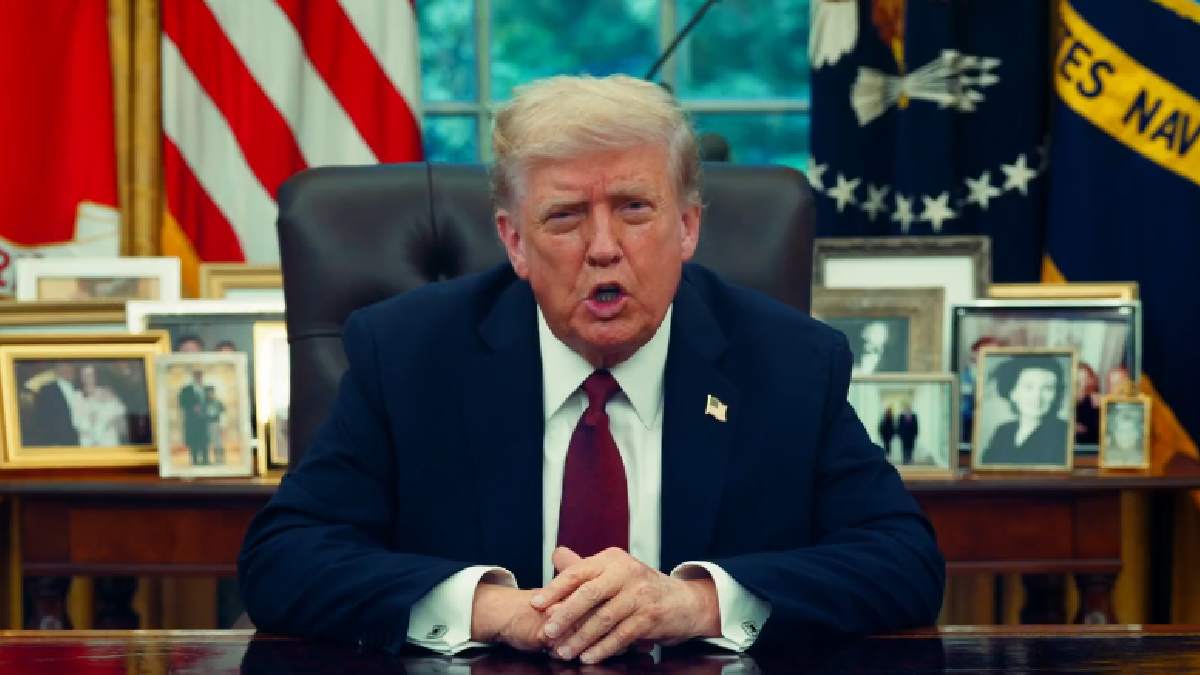
President Donald Trump has made a dramatic announcement that United States forces will start special operations and ground strikes within Mexico. The announcement has prompted a global outcry on the diplomatic issue which now questions sovereign right, international law, and the status of US–Mexico relations. He said the attacks were intended to strengthen local law enforcement and combat drug cartels. As Trump said it was necessary to fight organized crime and cross‑border threats; critics that do not agree said such actions could destabilize the region and set a dangerous precedent.
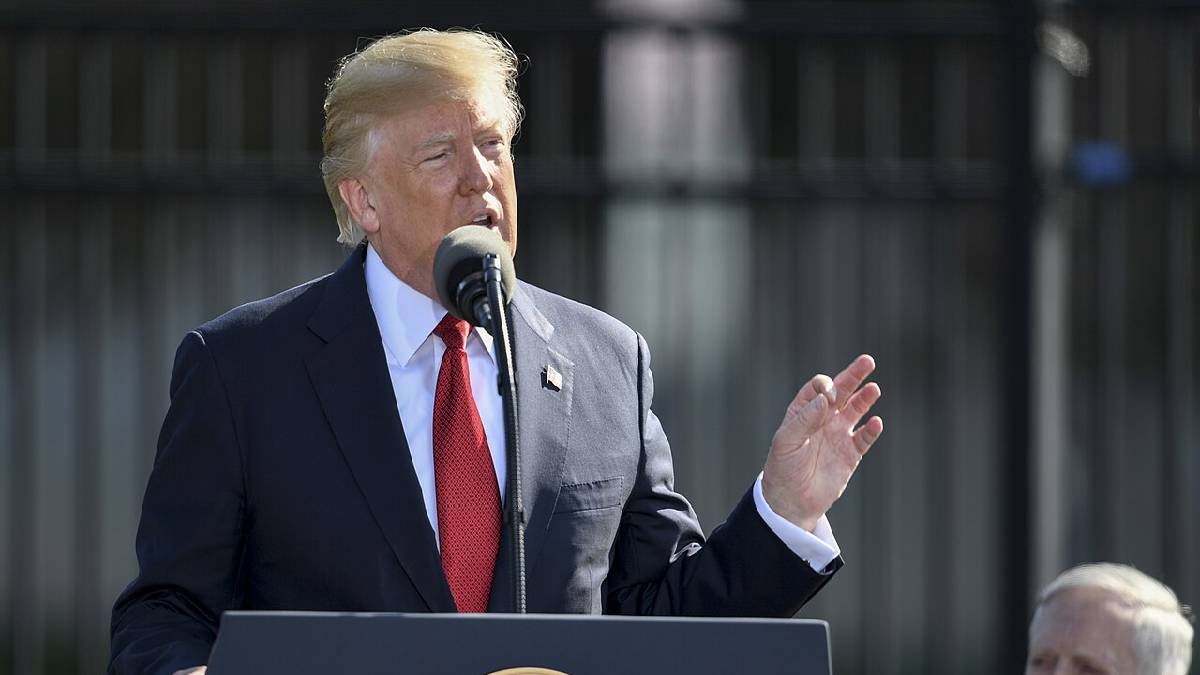
President Trump said the new operations were meant to target drug cartels, human trafficking networks and violent groups involved across the US‑Mexico border. And according to Trump, the missions will have special operations forces conducting raids on cartel strongholds, ground strikes to disrupt supply chains, safe houses, and intelligence-sharing from American intelligence agencies to select Mexican partners, said Trump. Trump portrayed the decision as part of his wider national security agenda, saying the US would not wait for threats to cross the border before acting.
BREAKING 🚨 Trump says US forces will now launch special operations and ground strikes inside Mexico.
— News Algebra (@NewsAlgebraIND) January 9, 2026
What does he want? 😳 pic.twitter.com/Gw02pjoL5I https://t.co/kU2jMLcSf7
Initial concerns have been raised in response to the announcement. Military actions in Mexico may be considered a violation of sovereignty, many observers note. Mexico is an independent country, with military action from abroad on its soil violating international norms of behavior. Others warn of escalation: Cartels might strike back with violence, or Mexican authorities may respond politically. Civilian safety is another paramount problem, as ground strikes in populous areas could jeopardize innocent lives as well. Diplomatically, relations between Washington and Mexico City could sour considerably if the operations are conducted without consent.
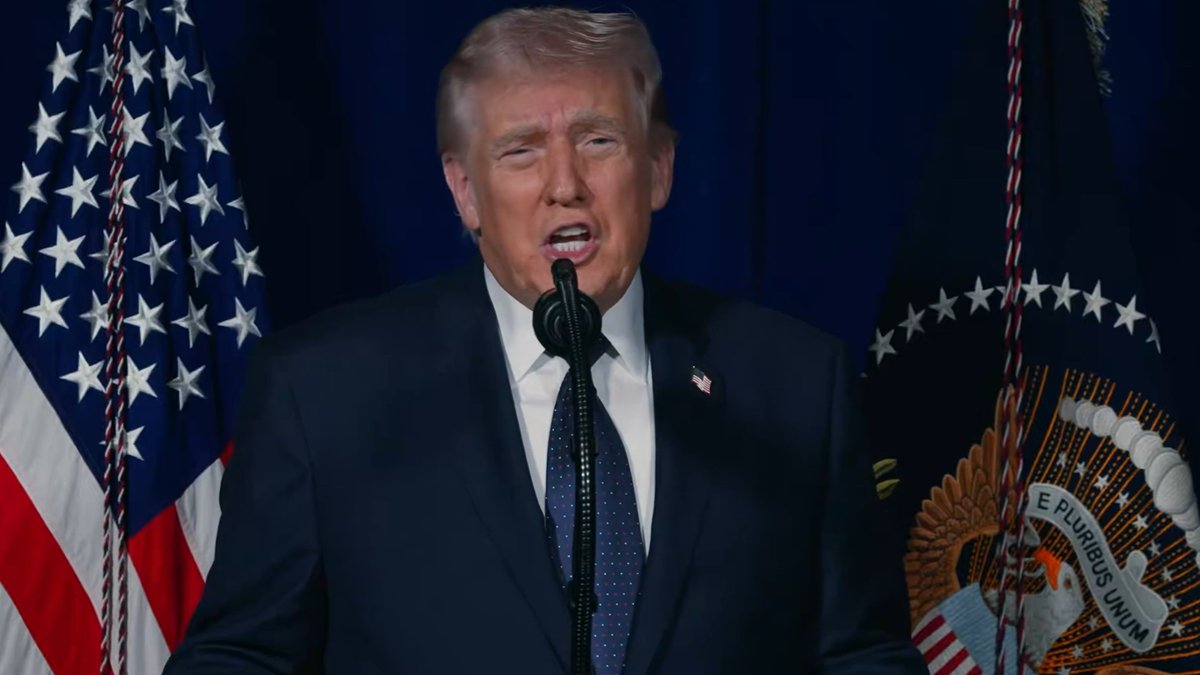
International law broadly bars military operations inside another country pending explicit approval, legal experts note. Unless Mexico agrees to doing so, these measures would violate its territorial integrity. Analysts expect robust resistance from Mexican leaders, who historically have resisted foreign military involvement. Public sentiment in Mexico, too, could be fraught, as citizens fear that US strikes would drive violence rather than cool it. Yet some officials may quietly take on foreign assistance against powerful cartels, if only coordinated and limited. In the weeks ahead, the tension between cooperation and confrontation will be decisive.
The US has not yet considered military action in Mexico. Previous administrations have debated whether to label cartels as terrorist organizations, paving the course for cross-border strikes. But the overwhelming majority of leaders shunned direct intervention, opting instead for joint operations and intelligence sharing. Trump’s announcement marks a sharp contrast to that cautious strategy. By openly announcing ground strikes, he’s demonstrating a readiness to employ force that extends beyond US borders in a manner we’ve rarely seen in modern years.
The decision might have broader ramifications. Military operations could trigger violence, a spillover of which can spill over into civilian areas and create regional instability. Other Latin American nations may dismiss the move as aggression and resist U.S. influence, which could strain any alliances. The United States has divided opinions. Supporters consider it tough action against crime; critics caution that endless conflict and legal battles await. Internationally, international organizations and allies may condemn the strikes as illegal, ramping up pressure on Washington to rethink.
President Trump’s statement that U.S. troops will conduct special operations and ground strikes within Mexico is among the most controversial decisions in his presidency. While he makes the case for protecting Americans from cross‑border crime, he poses profound questions of sovereignty, legality and long‑term stability behind the move. The world’s eyes will be on that in the coming weeks, as they figure out whether this bold strategy brings more security with it or more violent confrontation. For now, that one choice is a potent reminder of the nuanced tension between national security and international diplomacy.