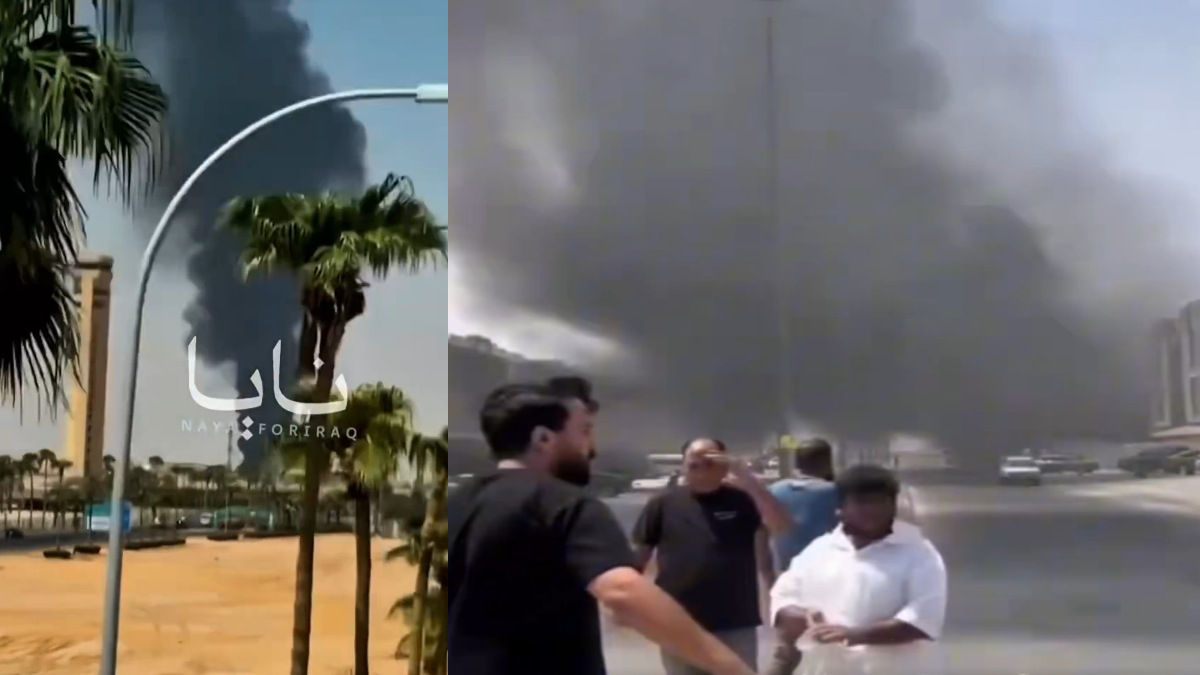
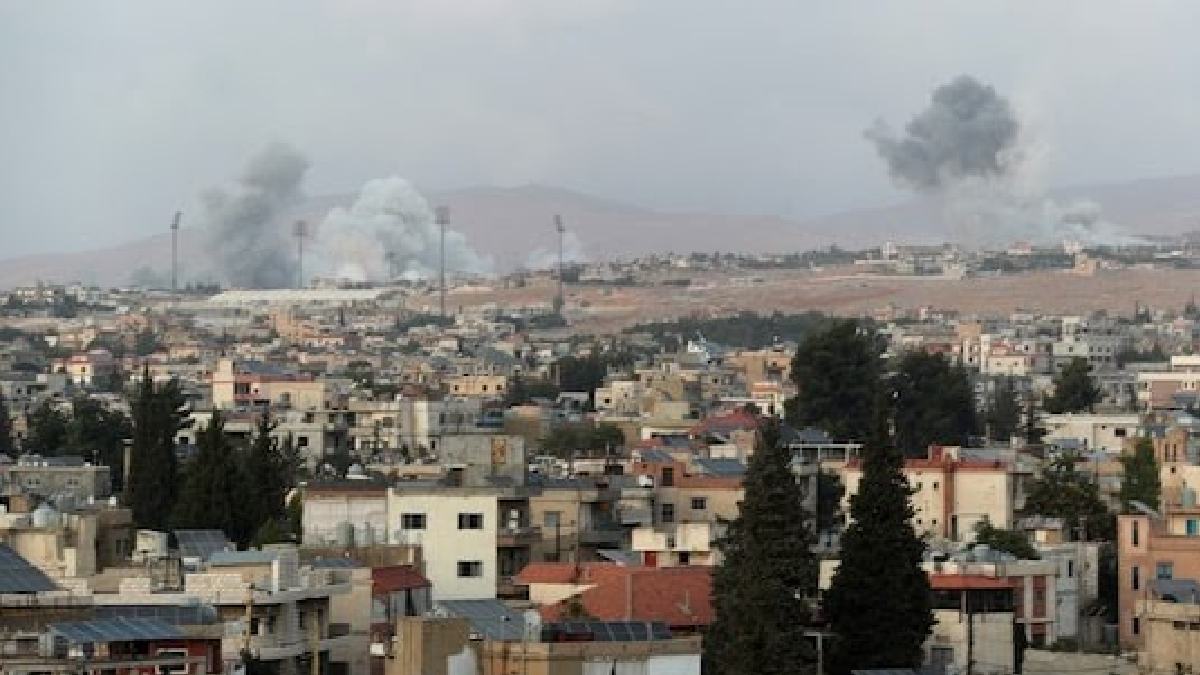
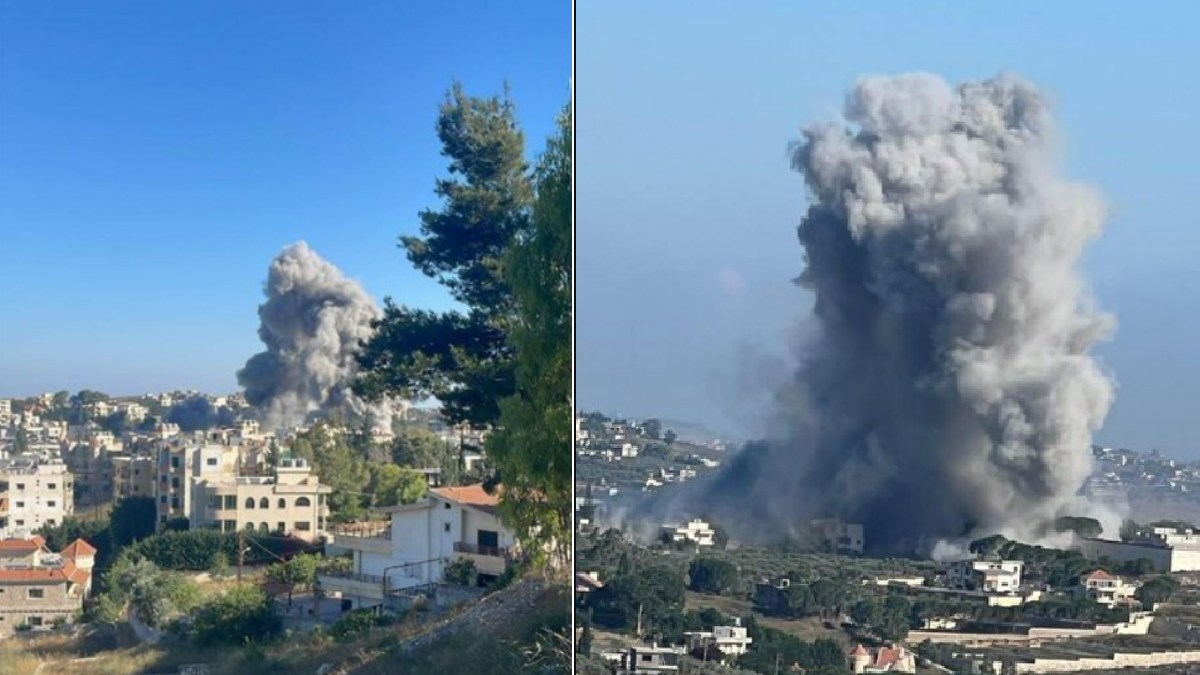
Hopes for a cooling in tensions amid West Asia suffered a major setback on Saturday as Israeli air strikes and drone attacks were blamed for killing at least five people in southern Lebanon just hours after a ceasefire between Israel and the Iran-backed Hezbollah movement had been signed.
The latest violence is at the same time as a diplomatic effort between the United States and Iran to rebuild the region from months of worsening conflict. The ceasefire was announced on Friday to put an end to cross-border attacks on Israel and Hezbollah that had threatened to spark a wider war.
Lebanon’s state-run National News Agency (NNA) said Israeli warplanes and drones conducted a number of strikes overnight and into Saturday morning in the Nabatieh region. Some residential buildings and houses were destroyed and Israeli artillery shelling hit areas around Nabatieh as early as dawn today, the newspaper reported.
The ceasefire agreement had been confirmed by a senior Israeli official, two Hezbollah sources and a U.S. official who said the truce was going to be implemented at 4 p.m. GMT on Friday. But the renewed strikes have raised doubts about the durability of the agreement and whether both sides are still committed to de-escalation. Reportedly at-least 5 people was killeed and many are injured by this attack.
Why Are Israel and Hezbollah Fighting?
The tension between Israel and Hezbollah dates back decades. Hezbollah, an Iran-financed political and military organization in Lebanon, has long depicted itself as a resistance movement against Israel. After the Israel-Gaza war started, the intensity of rocket attacks, drone attacks and air strikes increased dramatically across the border between Israel and Lebanon.
The present situation has been fueled by the deaths of Israeli soldiers in southern Lebanon and Israeli military reaction. Attacks and counterattacks have fueled fears of a larger regional war involving Iran and other groups.
Peace Talks Face a Critical Test
The recent violence comes at a delicate time for international diplomacy. U.S. Ambassador Steve Witkoff and Iranian Foreign Minister Abbas Araghchi will have talks in Switzerland next week to try to turn a short-lived ceasefire into a long-term, durable one.
And there will be discussions about extending the cease-fire, reducing military activity around the region, sanctions relief and Iran’s nuclear program. Diplomats say a resolution will allow long-term peace to be achieved in a region with so many wars over the years.
The latest strikes in Lebanon have complicated those efforts. It is the international mediators’ view that continuing military action could undermine trust between the parties and derail ongoing negotiations before meaningful progress can be made.
Strait of Hormuz Concerns Ease
And uncertainty about the Strait of Hormuz briefly added to regional anxiety. Early warnings had raised fears that Iran could restrict access to the strategic waterway through which a significant portion of the world’s oil supplies passes. Iranian officials have since said the route remains open, which has calmed the global energy markets and lowered fears of a major hit to international trade as well as to oil shipments.
Uncertain Road Ahead
The latest attacks indicate the fragile nature of the current ceasefire. Israel and Hezbollah are still arguing over who is right and who is not, and a continued peace is far from certain.
The next few days, and in particular what happens with the U.S.-Iran talks, will determine if the region is heading toward stability or toward a wider maelstrom. But recent violence in southern Lebanon is a reminder of how quickly fragile ceasefires can unravel in one of the most volatile areas in the world.