The measure was approved by Italy’s Council of Ministers on 24 September 2026 as part of a wider package of education-related measures. The decree covers curricular and extracurricular school activities as well as some school-family meetings.
Face coverings that prevent identification are prohibited in schools, unless there are health or security reasons. Violations carry a penalty of €200 to €1,000, according to the text.
The provision is specific to things like burqa and niqab, which cover the face. It is therefore not the same as a ban on all Islamic head coverings. The reported rule concerns face concealment and does not necessarily mean a ban on all kinds of religious head covering.
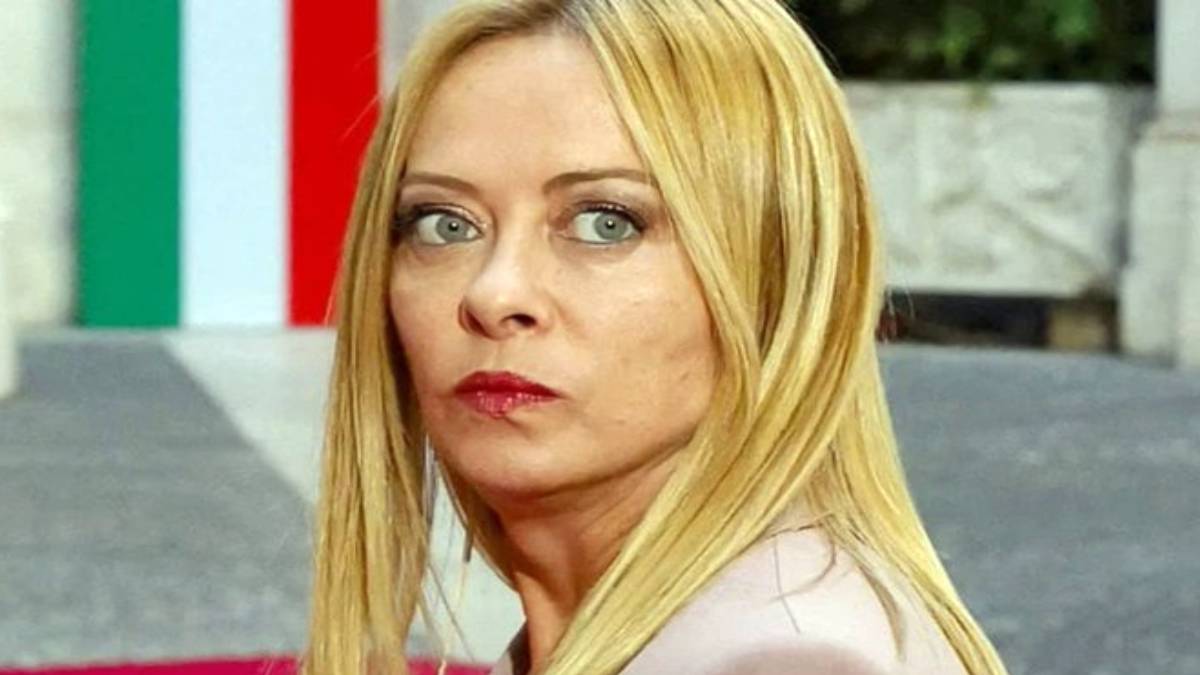
The move follows comments by the Prime Minister Giorgia Meloni, who had made public her plans earlier in September to have face coverings banned in schools. Her government has presented the whole education package as a bid to bring integration and harmonize the rules for schools in Italy.
The new school decree also contains other measures of integration of students with foreign citizenship. For example, there is a 30% ceiling in some first-year classes for students who meet certain criteria concerning citizenship, place of birth and previous participation in Italy's education system.
Another provision concerns Italian-language support for parents of students who are struggling to integrate into the school system. According to the decree, parents are to have free Italian-language courses and will be responsible for up to €1,000 for not complying if they do not meet the conditions.
The face-covering measure has also raised questions about its relation to Italy’s current legal framework. Italian media have pointed out that a 2008 Council of State ruling had judged wearing a full-face veil for religious reasons as a justified reason under anti-masking rules, unless there was an unjustified refusal to permit identification.
The new measure therefore represents a specific school-based restriction rather than a nationwide prohibition on burqa or niqab use in every public setting.
Italy’s government has linked the school measures to integration, language acquisition and the functioning of educational institutions. Critics have challenged aspects of the overall decree, especially on foreign students and integration.
For now, the key takeaway is that Italy’s Council of Ministers has approved the school decree, which bans burqa and niqab in school activities and fines of €200 to €1,000 for violations. The final legal text and the legislative process will be a matter of interpretation.