New tension has erupted in Pakistan occupied Jammu and Kashmir (PoJK) after the Joint Awami Action Committee (JAAC) has declared a “final protest” against the Pakistani government.
The announcement came after Islamabad failed to meet a 48-hour deadline set by the committee to release several arrested leaders and activists.
The JAAC, a leading civil rights organization in PoJK, has accused the authorities of silencing peaceful dissent by detaining key members of the movement in recent demonstrations.
That has been done to undermine the growing public movement that has sought economic benefits, cheap electricity, lower taxes and more accountability from the administration, according to the committee.
Now the organization is calling on citizens in PoJK to take part in a nationwide protest, saying the government has refused to meet their demands, and they have no other option.
Protest organizers have recommended peaceful resistance to what they say are unjust actions by the government.
The current unrest comes after months of public frustration at prices that have soared in the area and electricity tariffs that have gone up.
At one point, thousands of people in the area took to the streets and government officials and protest leaders met and agreed to some short-term pledges but activists say not all of them have come true.
The current disputes boiled over when JAAC leaders were detained.
The committee issued a 48-hour ultimatum that JAAC must release them, in the hope of generating a broader protest movement.
With the deadline now in effect, JAAC has officially announced its next phase of demonstrations.
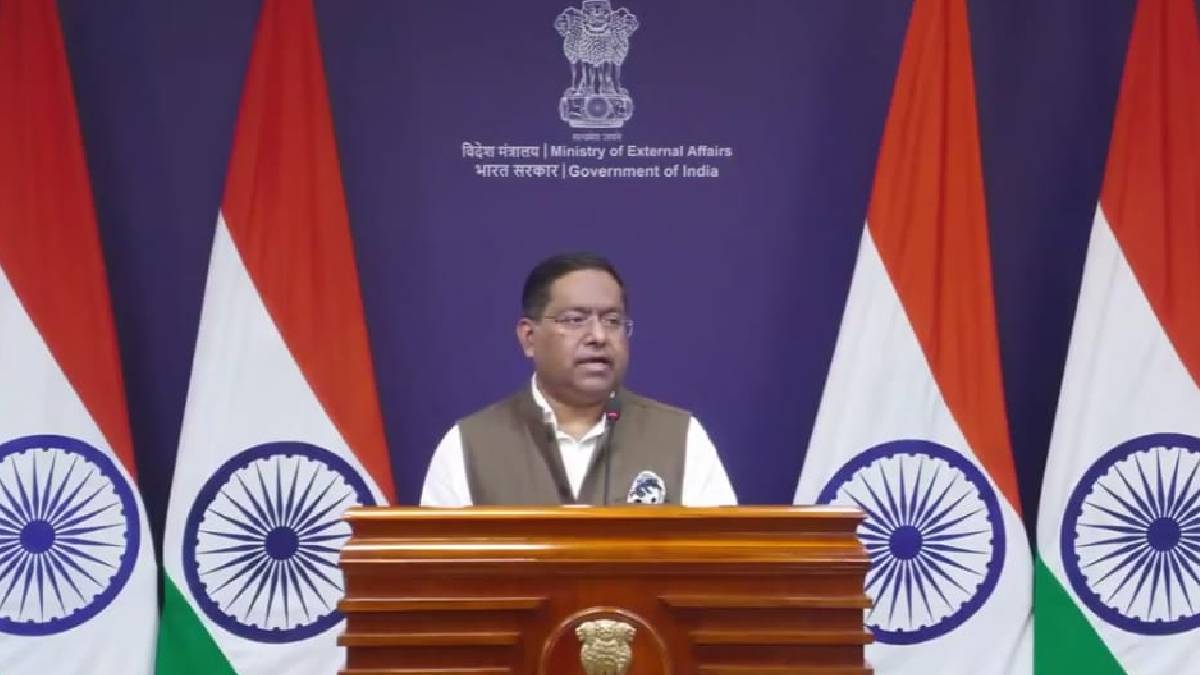
PoJK authorities are not giving a detailed public response on the arrests and the latest announcement by the committee.
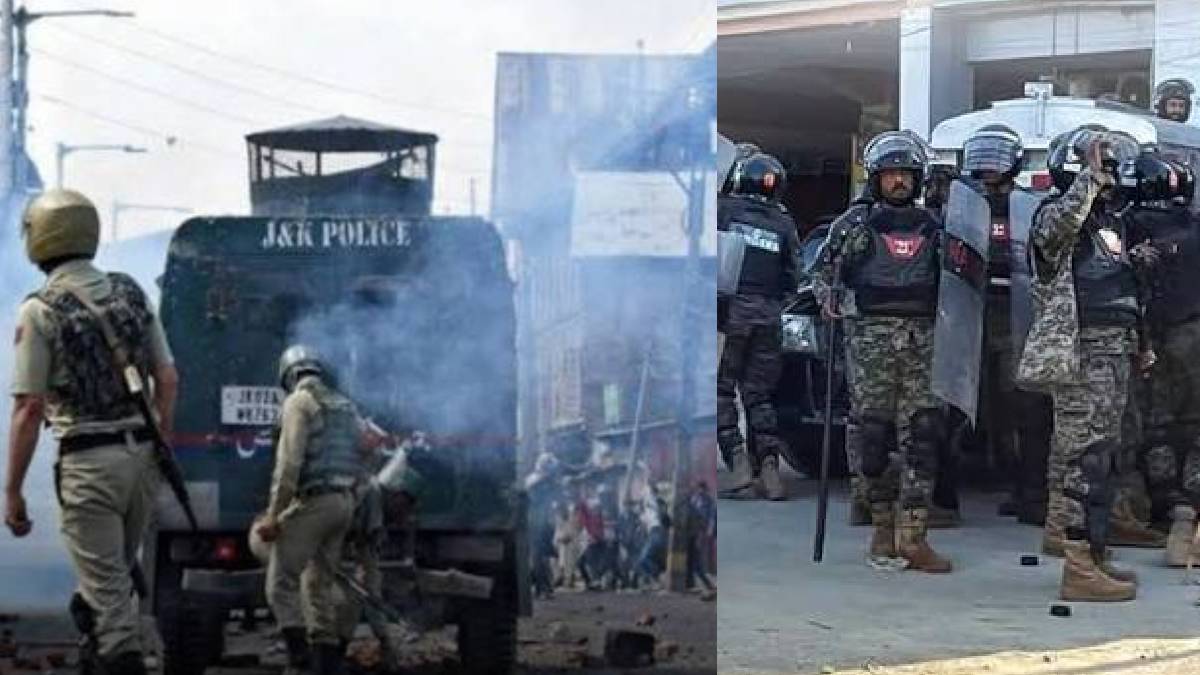
Security forces are reportedly in more high-security locations in a number of municipalities in order not to encourage any deterioration of law and order.
Political pundits say the situation speaks to wider problems in the lives of people’s governance, economy and representation.
And repeated protests over basic civic issues, so many analysts say, show a widespread frustration over the lack of civic action and not just that of individual incidents.
The developments have also attracted attention beyond the region as PoJK is politically sensitive. Any prolonged unrest will influence the regional discussion about governance, human rights and public administration.
When JAAC has its last protest to announce, all eyes are on the authorities.
The immediate future of the movement would likely be decided whether these negotiations have to be reopened or if tensions are still raised.
But residents are still not sure what will happen. Protest leaders insist that their campaign is about getting people out from under arrest and that progress has been made on what they promised.
In the meantime security agencies are on guard and expect large crowds of people to come out in the days to come.
And the situation on the go shows the increasing difficulty the administration faces in addressing public grievances while maintaining stability in one of South Asia’s most sensitive regions.