A small supermarket in Japan that served its local community for 75 years has closed its doors, bringing an emotional end to a remarkable chapter in the neighbourhood’s history. Instead of quietly shutting down, one of its owners thanked their loyal customers sincerely, and they made a farewell that was emblematic of the long relationship the store had established with generations of shoppers.
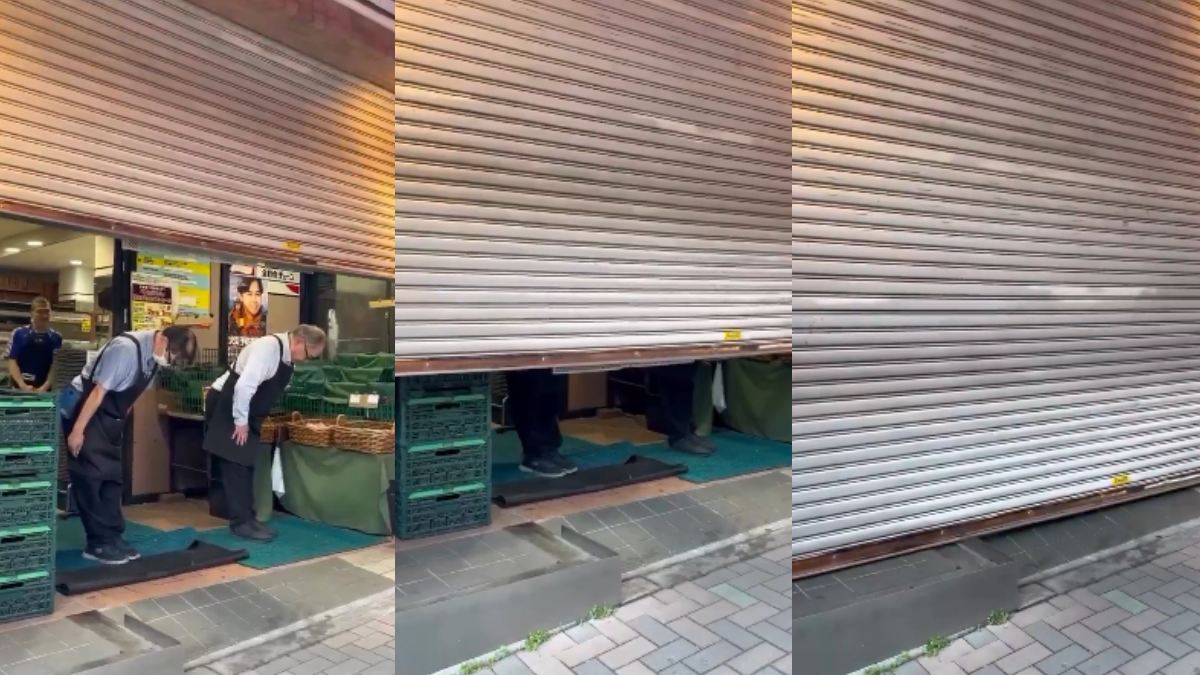
For decades, the supermarket was more than a place to buy groceries and other household stuff. It was part of everyday life for residents of the area. Customers who first visited the shop as a child made it back and then returned and, in some cases, brought their own families. Over the years, familiar faces, regular conversations and shopping trips helped transform the business into a community institution.
The decision to close after 75 years was therefore much more than just a business decision. For the owners and their customers it was the end of a shared chapter. In Japan, where neighbourhood businesses can become very closely linked to local people, the closure of a long-running business can have a specific emotional impact.
As the last day approached, customers came to the supermarket knowing that their familiar shopping destination would soon disappear. Some had been visiting the store for many years, while others had memories of shopping there with parents or grandparents. The farewell was then a chance for the owners to acknowledge the loyalty that had sustained the business for generations.
The owners’ thanks to customers were especially touching because it was a thank you, not just closing down the business. Their final words were about gratitude for the people who had supported the supermarket in the midst of changing times and changing shopping habits and a more competitive market and the larger retailers and modern supermarkets.
The story has resonated because it captures something that is increasingly difficult to find in contemporary retail: a deep personal connection between a shop and its customers. Large supermarkets and online shopping platforms provide convenience; they offer variety; they provide good prices; that is, they are all about convenience, variety and competitive prices, but a small neighbourhood store can give you something different— a sense of belonging.
Over 75 years, the supermarket would have been at the center of a huge transformation in Japanese society. Shopping habits changed, household lifestyles changed and new technologies revolutionized the retail business. But the store continued to serve its community, connecting generations.
The supermarket for older people might have been evidence of previous days when neighbourhood shops were still the core of daily life. Younger shoppers might have been interested in the store as it was recommended by parents or grandparents. The store was viewed as relevant beyond its shelves and goods and services for generations, so that it was more than just a small store.
The emotional farewell also demonstrates the importance of customer loyalty for small businesses. Regular customers are often familiar with the people who run local shops, and so relationships grow out of everyday transactions. Shopkeepers can know customers by name, they can remember their taste and they will see the same families in shops with their customers for many years.
Such relationships can be especially meaningful when a business closes. Customers don’t just lose a place to shop; they are saying goodbye to familiar people, routines and memories. Closing a business that has been in business for three-quarters of a century can be just like leaving behind a workplace and a community that they have been part of and who they are today.
The closure of the supermarket also is emblematic of wider challenges faced by traditional retail businesses. Rising operating costs, changing demographics, competition from big chains and the move to online shopping have changed this retail landscape. Even stores with strong local loyalty can eventually find themselves in difficult circumstances that make it difficult to continue in business.
But the way that the owners decided to say goodbye guaranteed that the supermarket’s last chapter would be remembered. They didn’t treat the closure as a business event; they understood the emotional connection with their customers and made the farewell a moment of mutual acknowledgment.
The story has attracted attention precisely because it’s so simple and relatable. Almost everyone has a shop, restaurant, market or local business that has been part of their daily life. So when that place disappears, it’s very personal. A familiar storefront will contain memories of childhood, family outings, celebrations and average everyday routines.
And the 75-year-old Japanese supermarket is left behind a lot more than an empty shopping space. It has decades’ worth of memories of the people who are in it— owners, employees and customers — all of whom have helped make the business part of the community.
A supermarket in Japan that had been operating for 75 years finally shut down.
— Massimo (@Rainmaker1973) September 30, 2026
The owners gave their loyal customers an emotional farewell in this touching way. pic.twitter.com/Gec91U5tY1
We have to remember that businesses can be remembered for more than what they sell, but also how they feel. After 75 years of service and the supermarket’s emotional goodbye, the supermarket’s nostalgic farewell was an opportunity for the loyal customers to say farewell and for the owners to express gratitude to the people who have been there for generations.
Although the doors are closed now, people who grew up shopping there will remember the store. Its last goodbye was one of those great examples of how a small neighbourhood business can become a core part of a community’s identity.