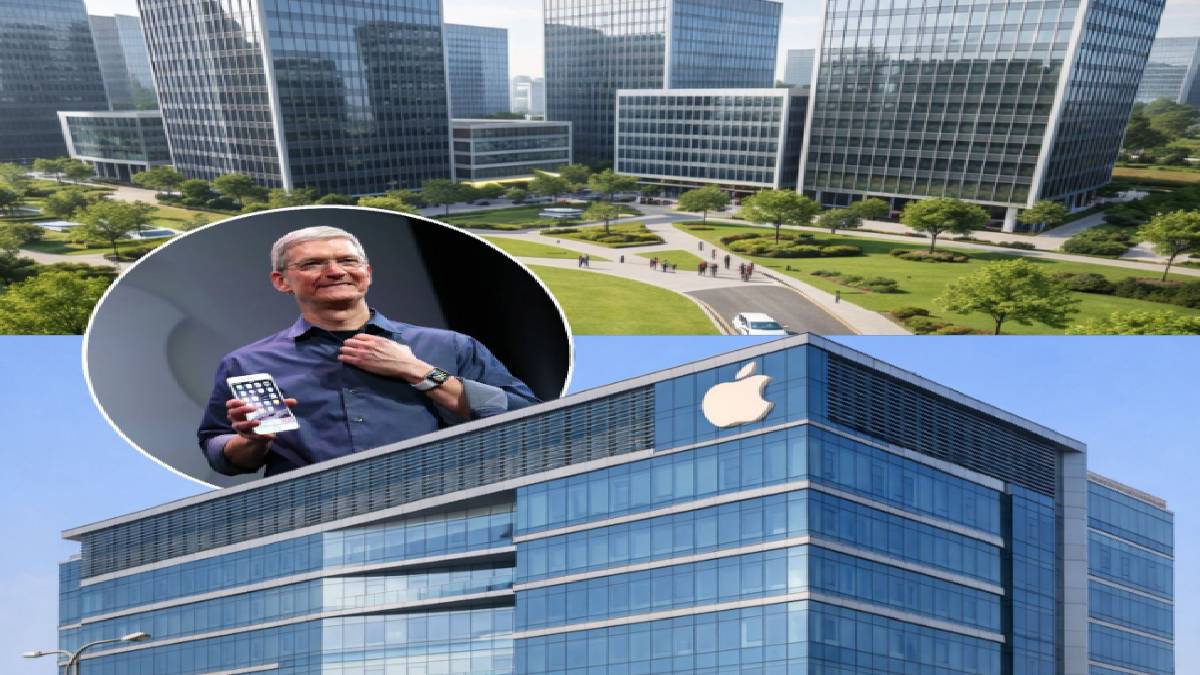
Apple is heading into a new era in leadership with John Ternus appointed as Chief Executive Officer on September 1, 2026.
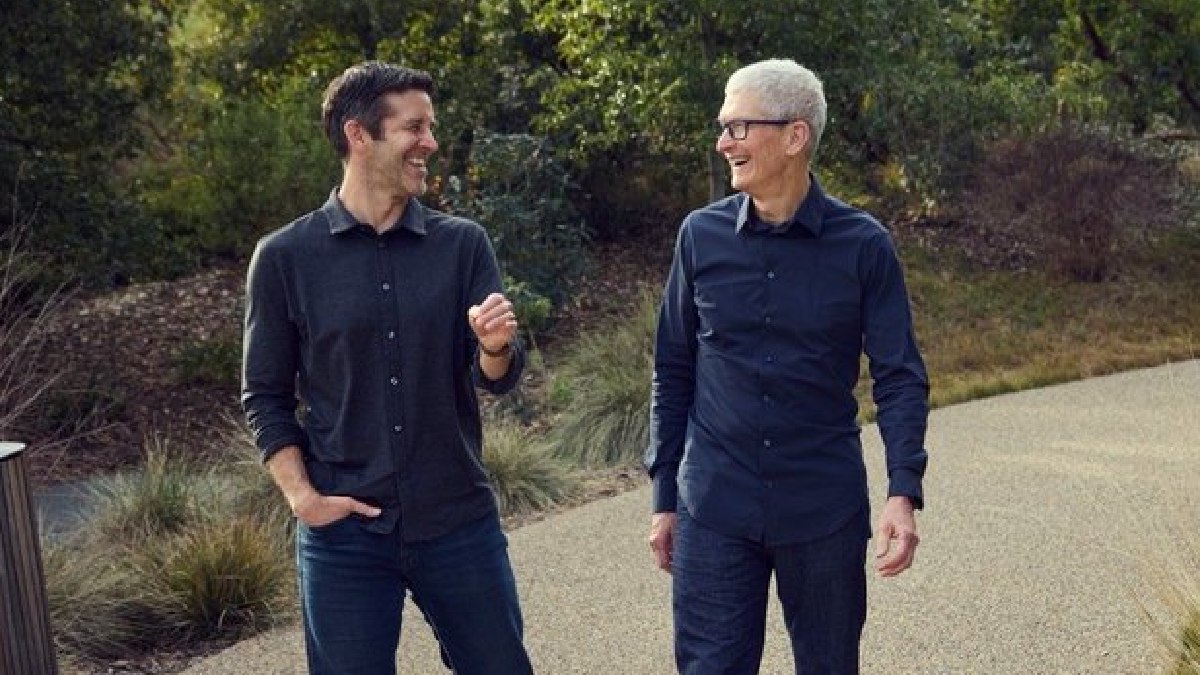
Ternus, who previously served as Apple’s senior vice president of Hardware Engineering, will take over from Tim Cook after Cook, who has served as CEO for 15 years. Cook will be the executive chairman and will be working closely with Apple on some issues (e.g., policy-setting).
The transition is one of the biggest leadership changes in Apple’s modern history. Ternus has 25 years at Apple and is an integral part of hardware development, product reliability, durability and materials innovation.
His engineering background could shape a more product-focused phase for the technology giant.
But taking charge of Apple comes with enormous expectations. Here are some of the biggest challenges Ternus could face.

1. Keeping Apple’s Innovation Engine Moving
Apple remains one of the world’s most valuable technology companies, but expectations for new products are exceptionally high. Ternus will have to do so by keeping the brand’s hardware innovation at the core of the business and creating major new growth opportunities.
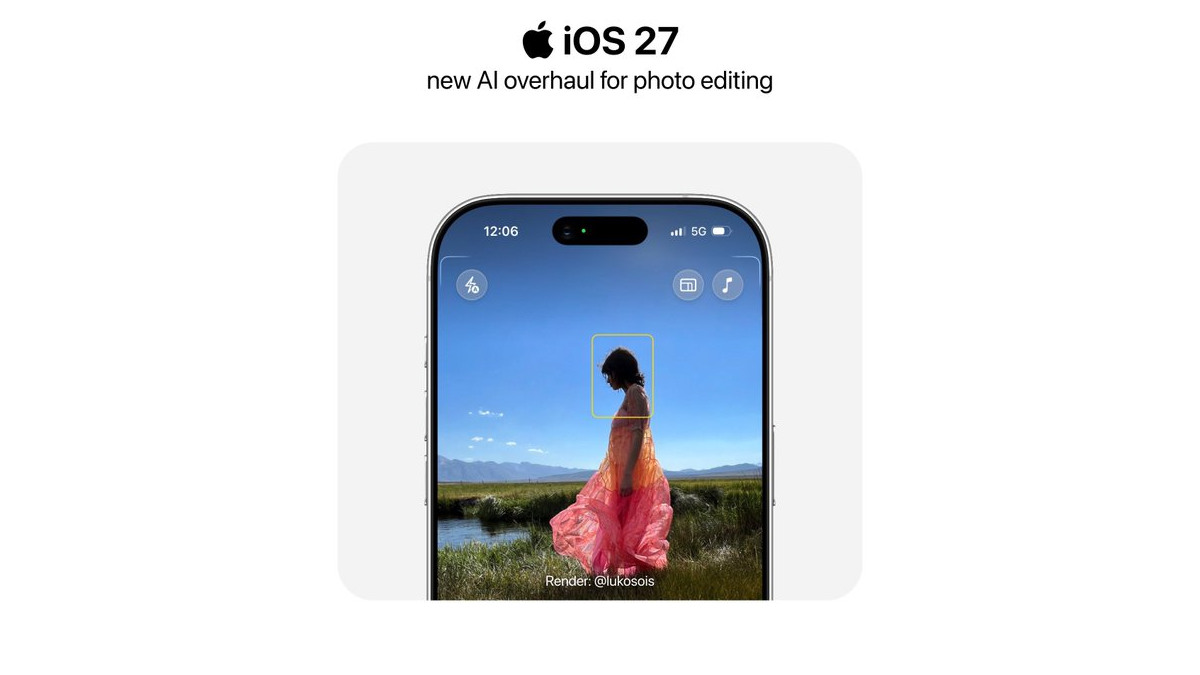
Artificial intelligence will be an important part of that challenge. Apple is under huge competition in AI from technology companies investing heavily in cloud infrastructure, AI models and consumer-facing products and tools.
Ternus will need to make sure Apple’s AI strategy is translating into products and services consumers actually use.
2. Making the iPhone Exciting Again
The iPhone is still Apple’s most important product and so its future is at the core of Ternus’ leadership.
The company will announce its next generation of iPhone on September 9, just a few hours after Ternus takes over as CEO. That will be his first major product launch as CEO.
Apple is also expected to enter the foldable smartphone market, potentially giving Ternus an opportunity to create a new premium product category.
3. Managing Global Supply Chains
Apple’s sprawling manufacturing network is exposed to geopolitical tensions, trade policies and component shortages. Supply pressures have already started to push up the price of some Mac and iPad products.
Ternus will have to balance manufacturing efficiency, costs and supply security while maintaining Apple’s premium product standards.
4. Handling Regulatory Pressure
Apple has been under scrutiny from governments around the world over its App Store policies, competition practices, and business operations. Ternus will take over those problems while Cook continues to communicate with the government as executive chairman.
5. Living Up to Tim Cook’s Legacy
Perhaps Ternus’ greatest challenge will be proving that Apple can sustain itself beyond the Cook era. Cook turned Apple into an even bigger global business while maintaining its strong ecosystem.
Ternus has the advantage of deep knowledge of Apple’s products and culture. But as CEO he will have to prove that his engineering expertise can translate into a broader corporate vision.
His first big product launches, AI decisions and strategic moves will probably determine how quickly investors and consumers embrace Apple’s new era.