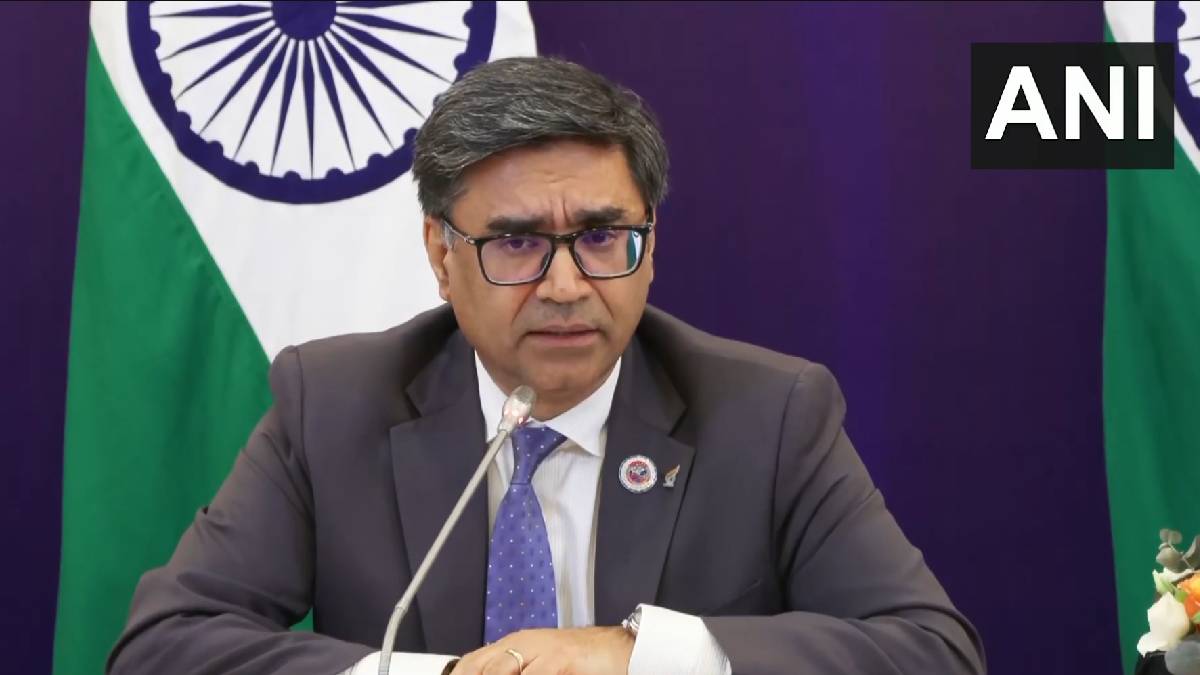
The Indian defence modernisation strategy has been challenged by Russia with five more S-400 air-defence systems being proposed whereas New Delhi is investing in indigenous long-range air-defence capability. It is a proposal which is estimated at around Rs 50,000 crore at a time when India is becoming more and more self-reliant in defence production.
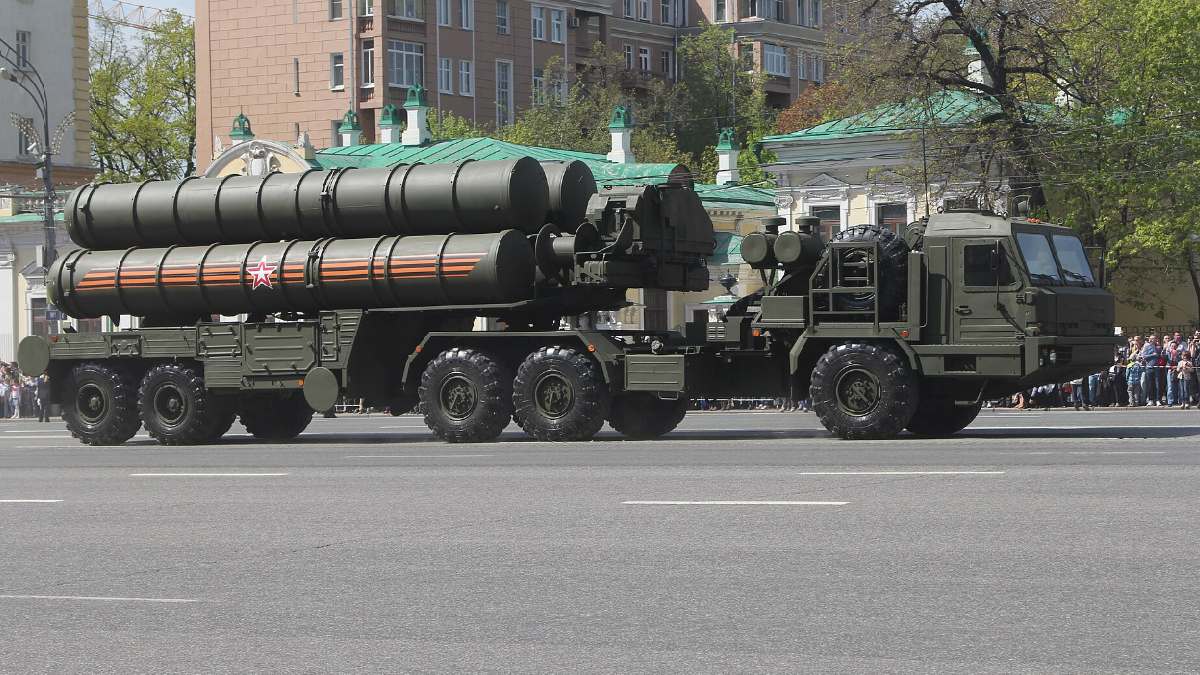
The development has raised questions about how the acquisition of another Russian-origin system fits in India's broader Atmanirbhar Bharat strategy. But the two approaches are not necessarily contradictory. While the S-400 offers a proven and operational capability, indigenous programmes like Project Kusha are aimed at enhancing India’s capability to design and manufacture advanced air-defence systems at home over the longer run.
The S-400 is already an important part of India’s layered air-defence architecture. Its long-range capabilities provide the armed forces with an additional layer of protection against potential aerial threats. With the operational experience gained during recent security developments, the role of the system has been revived.
The proposed additional squadrons could further strengthen India’s air-defence network if the deal comes to fruition. The deployment of these units may provide additional coverage in India’s strategic areas while indigenous systems are still in development and testing stages.
The big problem is not just why India would acquire a foreign system when they are looking to self-reliance. It is how India can meet its immediate defense needs while also developing domestic alternatives.
Why India may still need the S-400?
Defence self-reliance is a gradual process rather than an overnight transition. A sophisticated long-range air defence system requires years of research, testing, integration and deployment before it can deliver a mature operational capability.
The S-400, in contrast, is an existing system already integrated into India's armed forces. Additional units can potentially strengthen the country's air-defence capabilities while indigenous programmes mature.
Such an approach will allow India to respond to its evolving security needs now and also in the long run in order to remove dependency on foreign suppliers. The aim is to grow domestic control over defence technology, manufacturing, maintenance and supply chains.
Project Kusha and India's Indigenous Push
Project Kusha is a crucial step towards the development of a homegrown long-range surface-to-air missile capability. It is being supported by the Defence Research and Development Organisation (DRDO), and can be seen as an additional tier for India’s future air-defence architecture.
The indigenous push has gained importance as modern warfare increasingly depends on long-range missiles, sophisticated radars, drones, counter-drone systems and integrated air-defence networks.
The government's focus, therefore, has shifted from acquiring military platforms to developing the technological ecosystem for designing, making and maintaining them in India.
Narendra Modi has also repeatedly stressed the importance of next-generation defence technologies, including advanced missile systems, drones and counter-drone capabilities. The government’s focus on indigenous air defence is indicative of the larger objective of India’s technological independence.
India's Defence Production Expands
The S-400 proposal comes at a time of rising domestic defence manufacturing capacity in India. The government figures cited in the article show that defence production reached a record level of Rs 1.78 lakh crore in the year 2025-26 (as against Rs 46,429 crore in 2014-15).
Defence exports have also grown significantly. India's defence exports were estimated at Rs 38,424 crore in FY2025-26 (an increase of 22 percent).
These numbers show why the S-400 acquisition should be seen within the larger context of India's defence transformation rather than as an isolated procurement decision.
Atmanirbharta is increasingly focused on creating domestic capabilities across the whole defence supply chain. This includes research and development, component manufacturing, systems integration, testing, maintenance, upgrades and eventually exports.
Particular focus on Private Sector.
The private sector also becomes an increasingly important part of India’s defence ecosystem. Government initiatives have sought to encourage private companies, start-ups and micro, small and medium enterprises to participate in defence manufacturing and technology development.
The transfer of selected DRDO-generated technologies to Indian private companies is part of this effort. By empowering domestic manufacturers to build defence systems at scale, this will help bridge the gap between technological development and large-scale production.
That is particularly true for advanced weapons. Developing a successful prototype is only one step in the process. A truly self-reliant defence industry has to be able to rapidly develop systems and maintain them over the course of service and upgrade them as threats evolve.
Private sector involvement in manufacturing can help in the development of manufacturing capacity and build the development of a domestic supply chain.
In the end, foreign partnerships can still support self-reliance.
Atmanirbharta does not necessarily mean completely ending foreign defence partnerships. India is more and more looking to develop domestic manufacturing, technology and industrial capacity that can be used in a domestic manufacturing capacity.
The objective is to move gradually from importing complete systems to localisation of components, production and maintenance.
This distinction is important in the assessment of India’s defence procurement strategy. A foreign-origin platform can still contribute to India’s industrial capabilities if domestic companies get involved in manufacturing, maintenance, supply chains or technology development.
From now on, we want to build an ecosystem capable of meeting the requirements of India’s armed forces and competing in international markets.
From Defence Importer to Global Supplier
India’s increasing defence exports indicate that the country’s ambitions go beyond reducing imports. New Delhi increasingly wants Indian defence companies to become suppliers to international markets.
Now Indian-made defence equipment is comprised of missiles, artillery systems, naval platforms, drones and electronic systems. The growing exports suggest that domestic companies are slowly developing capabilities that can compete beyond the Indian market.
This could eventually strengthen India’s position as both a major defence producer and exporter.
So the S-400 proposal is the transition of India’s defence strategy. The country needs proven systems to satisfy current security needs and invest heavily in technologies which could reduce dependence on foreign suppliers in the future.
The S-400 is an immediate operational capability, while Project Kusha is India's long-term indigenous commitment. Both can fit into a larger strategy to improve national defence. Atmanirbharta’s success ultimately depends not just on how much India imports or exports, but also on how much control it gets over the technology, manufacturing capacity, supply chains and expertise needed to sustain its armed forces. India’s defence transition is less about foreign systems than indigenous programmes and is about building the capacity to increasingly design, manufacture, maintain and export advanced military technology from within the country.