Vilnius: European Union foreign policy chief Kaja Kallas has said Europe should not make concessions in any future Russia-Ukraine peace agreement without meaningful commitments in return. Kallas said that any settlement would have profound consequences for European security and would likely require Europe to take on substantial responsibilities.
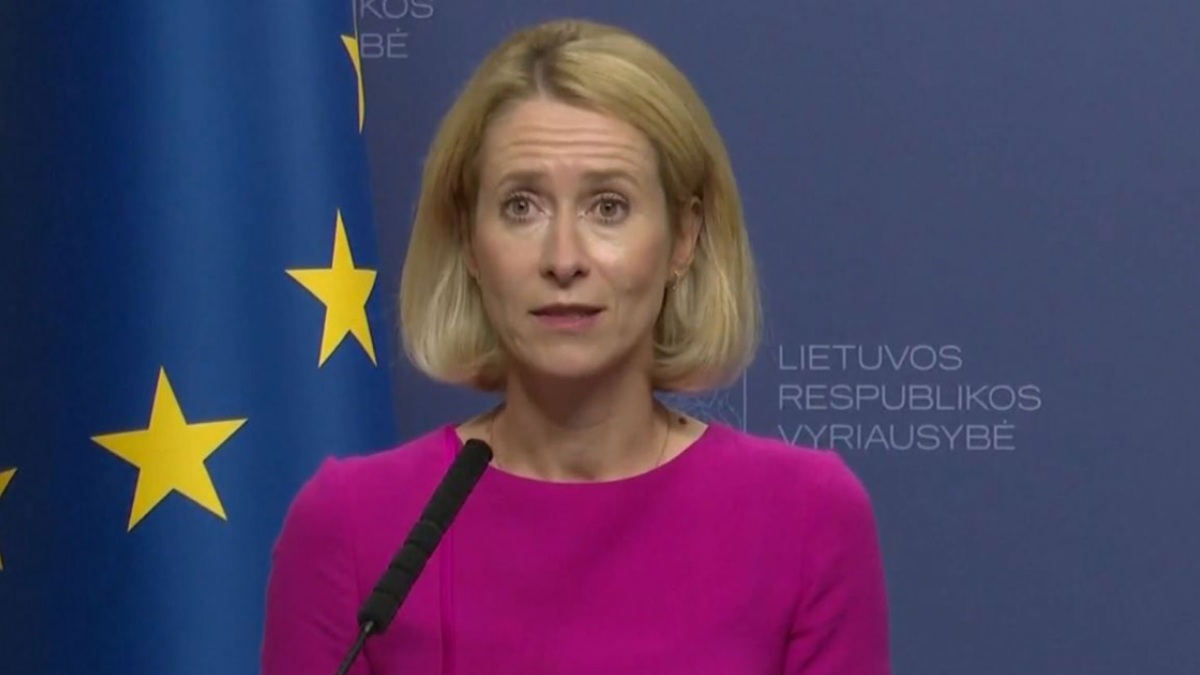
Kallas’ comments come as diplomatic efforts to end the Russia-Ukraine war continue, with US involvement in discussions. US negotiators Steve Witkoff and Jared Kushner recently traveled to Moscow and Kyiv to try and find a solution to the conflict. The recent diplomatic activity has raised questions about how much influence Europe will have on the ultimate terms of a peace pact.
In fact, Kallas made clear that the European Union isn’t neutral as a mediator between Russia and Ukraine. She said Russia and Ukraine will have to negotiate with each other and emphasized that Europe has supported Ukraine since Russia invaded Ukraine in the wake of the full-scale invasion of the country.
A future peace settlement would involve a great deal of requests and responsibilities for European countries, Kallas said. Security commitments, financial assistance and other things would be needed to help in the successful implementation and longevity of any peace deal. This was her main argument: Europe must not just accept those responsibilities without reciprocal commitments.
The comments underscore Europe’s growing anxiety about its role in a post-war security system. European countries have provided huge political, economic and humanitarian support to Ukraine throughout the conflict. EU officials have also emphasized time and again that the war has fundamental consequences for European security and stability.
Kallas has argued that Europe should ensure that Russia faces serious consequences and makes concessions rather than putting excessive pressure on Ukraine. In the same year she said European countries should have a common position on the concessions Moscow should be willing to make as part of a potential settlement. Security concerns, respect for internationally recognized borders and measures to prevent a repetition of aggression have been among the issues discussed.
Her recent comments also reflect concerns that Europe might be called upon to shoulder huge responsibilities after a peace agreement without having enough influence on the negotiations themselves. If European countries are expected to provide security guarantees or strong financial and political support, Kallas’s position is that those should be matched by clear obligations from the other side.
The question of Europe's place in negotiations has become more and more urgent as diplomatic efforts continue. Kallas has argued that the EU cannot act as a neutral intermediary because European countries have publicly supported Ukraine and see the conflict as closely tied to their own security interests.
At the same time, Kallas questioned Russia’s willingness to make real concessions. In her recent remarks, she said Moscow has not been sufficiently willing to compromise and that pressure should not be all about Ukraine, which Europe sees as the victim of the conflict.
Lithuania’s upcoming presidency of the Council of the European Union is also likely to be focused on security and defence as well. Lithuanian President Gitanas Nausėda said the country’s priorities will have to be European security, defence, EU enlargement, competitiveness, internal security and social resilience.
Europe should not give without getting anything in return in Ukraine peace deal: Kaja Kallas
— ANI Digital (@ani_digital) September 8, 2026
Read @ANI Story I https://t.co/JRvchXt5Qv#EU #KajaKallas #UkrainePeaceDeal pic.twitter.com/d2Uiqh7BPK
Kallas’s latest statement illustrates a broader European approach: to be in favor of diplomatic efforts to end the war but resist an agreement which would require Europe to make concessions without corresponding commitments. As negotiations proceed, Europe's ability to influence the terms of a possible settlement is likely to remain a major issue.
For European governments, one of the challenges will be to reconcile the desire for an end of the war with the need to safeguard long-term regional security. Kallas says Europe wants a peace agreement to be reciprocal, sustainable and consistent with its security interests instead of a settlement whereby European countries are more involved but do not have any guarantees in return.