The dispute over pooja rights among priest families at the historic Sri Lakshmidevi Temple in Malali village of Holenarasipur taluk has caused tension, with the temple locked as part of a protest. It inconvenienced the devotees who came early in the morning to offer prayers.
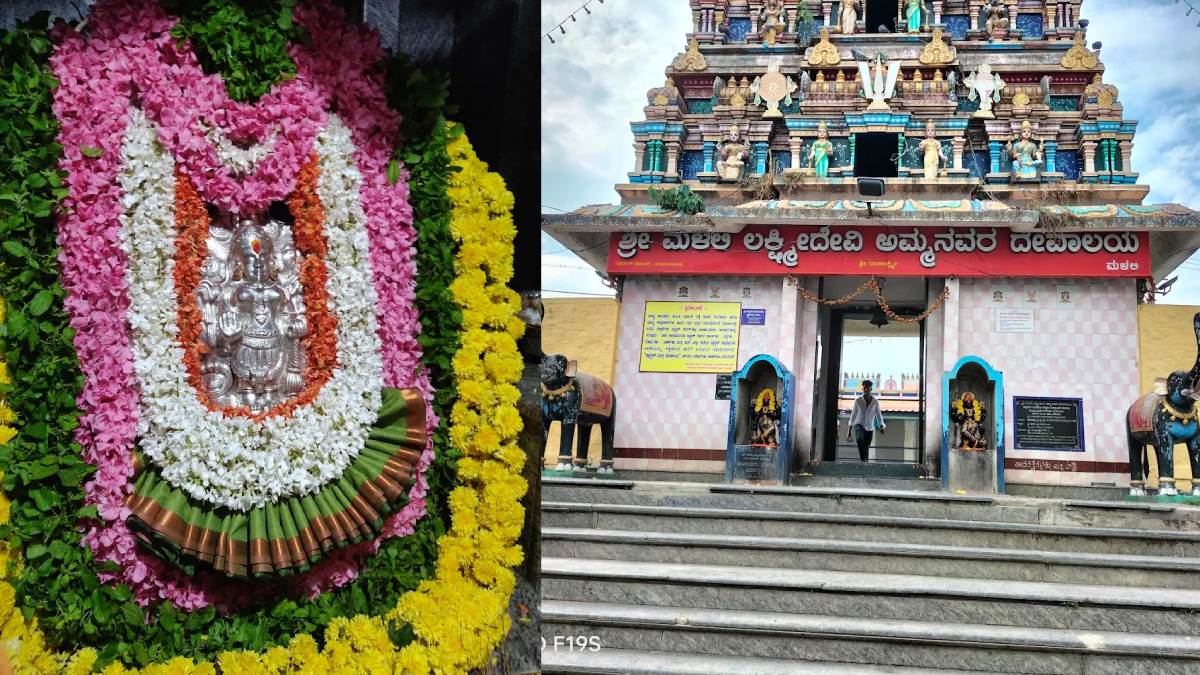
The dispute started after permission to perform temple rituals was granted to only six families this year, despite 24 families from the Yadava community traditionally taking turns to conduct pooja at the temple.
According to the priest families, members of 24 Yadava families have been performing pooja at the temple for some years. Under the old custom, one family would take care of temple rituals for 15 days before the next family took over.
However, the temple is now under the jurisdiction of the Muzrai Department, which requires families seeking permission to perform pooja to submit relevant family records to the tahsildar's office every year.
Dispute Over Permission for Pooja
All the families involved in the traditional pooja arrangements receive an allowance for performing temple services. Land associated with the temple had also been distributed among the 24 families.
This year, representatives of all 24 families submitted their documents to the tahsildar’s office seeking permission to continue performing the rituals. However, permission was reportedly granted by the Sub-Divisional Magistrate (SDM) to only six families.
The decision angered some of the remaining families. Of the 18 families who were not granted permission, 13 reportedly claimed that their documents were in order but that they had nevertheless been denied the opportunity to perform pooja.
As a result, the priest families locked the temple and protested the decision. The priest families’ action immediately affected devotees who came to the temple to offer prayers.
Devotees Forced to Wait for Hours
The dispute caused much inconvenience for devotees. People who had arrived at around 7 am apparently had to wait until noon because of the temple closure.
The situation showed how an administrative and internal dispute over temple rituals can directly affect members of the public who visit religious institutions.
Holenarasipur Tahsildar Renukumar arrived at the spot to speak with the protesting priests. The priests asked the official about the decision and expressed anger that the order had created differences among families who had traditionally shared responsibility for temple services.
The priests told the tahsildar that the decision had created unnecessary friction between the families and demanded that the matter be resolved fairly.
Tahsildar Assures Further Discussion
After talking to protesting families, Tahsildar Renukumar told them that the issue would be discussed with senior officials before a final decision was made.
After receiving the assurance, the priests withdrew their protest, and the immediate situation at the temple was brought under control.
But the larger issue of who should be allowed to perform pooja is still unresolved. The authorities will look at the records provided by the different families before taking any decision.
Political Angle Sparks Discussion
Sri Lakshmidevi is considered the family deity of Karnataka Minister and Hassan district in-charge minister K.M. Shivalingegowda as well as MP Shreyas Patel. On this basis, there are discussions on whether political influence may have played a role in the selection of priest families for permission.
But there is no evidence of political interference in the administrative decision. The allegations and local conversations are also part and parcel of the larger controversy over the temple’s pooja arrangements.
The incident has once more reopened the issues of how traditional temple practices can clash with administrative regulations for Muzrai temples.
However, for devotees, the immediate concern was the disruption to worship. People who had travelled to Malali to seek the blessings of Sri Lakshmidevi were left waiting for several hours because of the dispute.
Now the priests' families are divided, and the authorities must resolve this dispute so that temple rituals continue and devotees don't go through any such disruptions in the future. A transparent investigation of the documents and the traditional rights of the families can certainly alleviate any tension in the temple.