Sugar prices that had been rising rapidly in recent weeks have taken a sharp turn ahead of Ganesh Chaturthi and the upcoming festive season. The wholesale sugar prices in Karnataka have fallen by around Rs 20 per kg, offering relief to consumers who are waiting for several festivals to come. The sudden drop has also caused a headache for wholesale traders who had stored large quantities of sugar at much higher prices, expecting demand and prices to rise during the festive period.
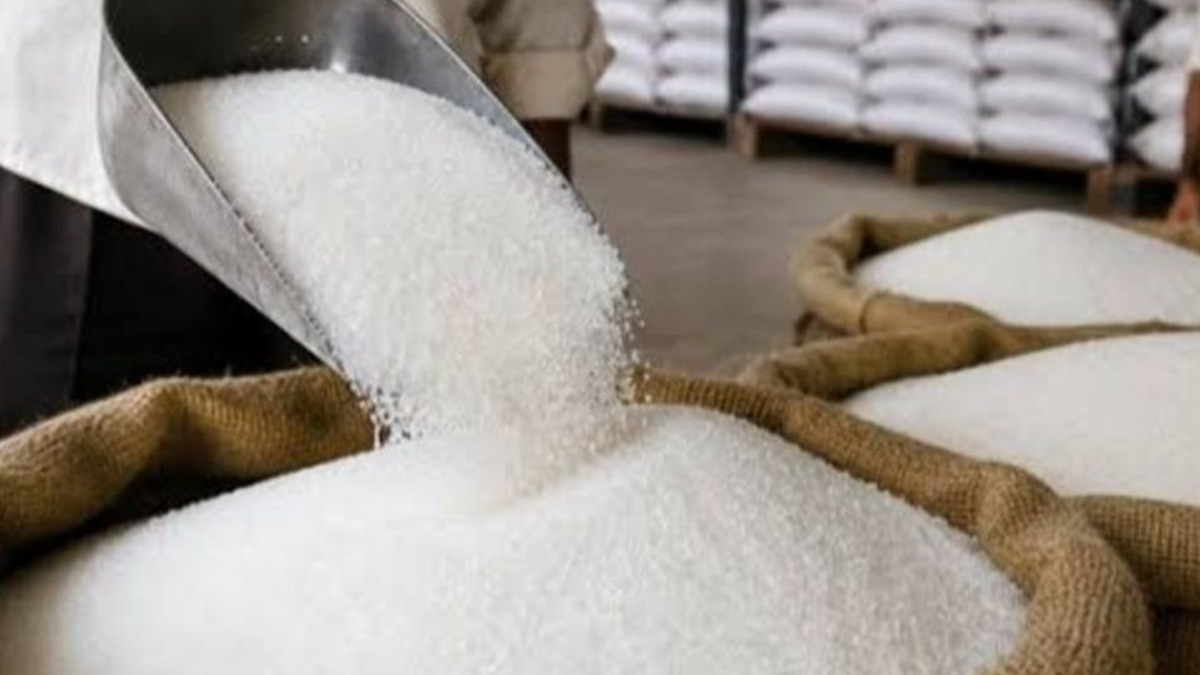
Wholesale sugar prices, which had risen to as high as Rs 68-70 per kg, have now declined to approximately Rs 50-52 per kg. Retail consumers can buy sugar at around Rs 55-57 per kg, the market price of which may differ from location to location.
The sharp fall has been attributed mainly to measures taken by the Union Government to prevent artificial shortages and hoarding, and the import of raw sugar from overseas markets.
Government's Fortnightly Quota System
One of the measures taken to contain the unusual rise in sugar prices is a fortnightly quota system. The government has also imposed a seven-day distribution deadline for sugar stocks.
The new measures are to make sure sugar that is stored in warehouses gets out to the market regularly instead of at a later stage in anticipation of higher prices. Wholesale markets are not under any pressure because there are more stocks in the market.
The move comes after sugar prices soared in the country as much as two weeks ago. Wholesale prices went up to almost Rs 70 per kg at the time, while retail consumers in local markets were paying as much as Rs 82.
It had affected household budgets, particularly at festivals, when demand for sugar increases because of the increased preparation of sweets and traditional food items that occurs.
Sugar Imports Add To Domestic Supply
Another major reason for the decline is India’s decision to import sugar. Based on the information from market sources, India has allowed duty-free import of 10 lakh tonnes of raw sugar, which is the country's first significant sugar import in around a decade.
The import window is open from August 2026 until October 31, 2026. Local sugar processors and producers are said to have applied for allocations of around 797,450 tonnes, and the remaining quantity hasn’t been imported yet.
The additional supply should alleviate shortages of goods and prevent traders from creating artificial supply shortages in the domestic market.
Consumers Get Relief Ahead Of Festivals
The sudden fall in sugar prices has come as good news for consumers. Ganesh Chaturthi and a lot of other festivals are on the way, and sugar is an important ingredient for sweets, desserts, and traditional foods.
If sugar prices were to come down for households, sweet shops, bakeries, and small food shops, then we would see lower input costs. Consumers who had been worried about buying sugar at such high prices are now experiencing some relief in the market.
The current indicative rates are:
- Wholesale sugar price: Around Rs 52 per kg.
- Retail sugar price: Around Rs 56 per kg.
But market prices can vary based on the quality of sugar, location, supplier, and quantity purchased.
Wholesale Traders Face Losses
As consumers are now benefiting from the decline, wholesale traders who bought a lot of products at higher rates are losing money.
Several traders had increased their stocks in expectation of stronger demand during the festive season. But the sudden price correction has reduced the value of their existing inventory.
A wholesale sugar trader named Mahesh said traders had stocked huge quantities due to the festive season. The price decline has led to losses of up to Rs 900 on a 50-kg bag, he said.
Traders are now being more wary about keeping large inventories because of the rapid price fluctuations. To meet the demand of daily customers, some wholesalers say they are buying according to daily demand.
Artificial Shortage Comes Under Control
The recent price movement also shows the impact of supply management on essential commodities. When sugar availability tightened about two weeks ago, wholesale prices quickly increased, and retail prices rose as well.
Government stock limits and distribution requirements seem to have encouraged the release of stocks held in warehouses. In conjunction with additional imported supplies, this has helped to increase market availability and bring prices down.
For consumers, the immediate benefit is positive for them, and the immediate impact is good news– and so much better for the festive season. But traders are worried that we will see more volatility and whether prices will remain at current levels.
For that reason, the sugar market is going to be closely watched in the coming weeks. If imports continue until October 31 and the government takes action to meet regular supply demand as planned, consumers could see relatively stable prices for the festive season. But for wholesale traders, the sharp correction is a reminder of the risks of buying huge stocks at a time when commodity prices are volatile.