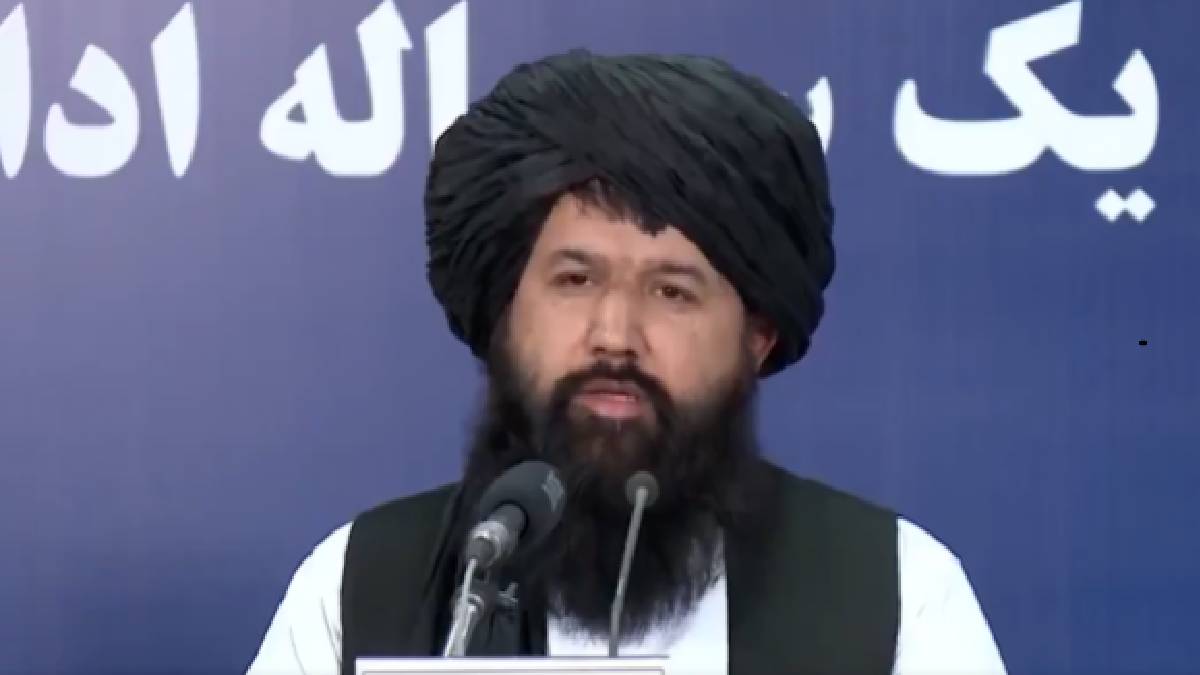
In a step that has rocked the international human rights movement, the Taliban administration in Afghanistan has enacted a new, 90-page criminal code that recognizes domestic violence as legal, and codifies a strict, class-based hierarchy. The new measures, adopted as law by Supreme Leader Hibatullah Akhundzada in early 2026, represent the last dismantling of the 2009 Law on the Elimination of Violence Against Women (EVAW), previously the legal system's lifeline for Afghan women and children.
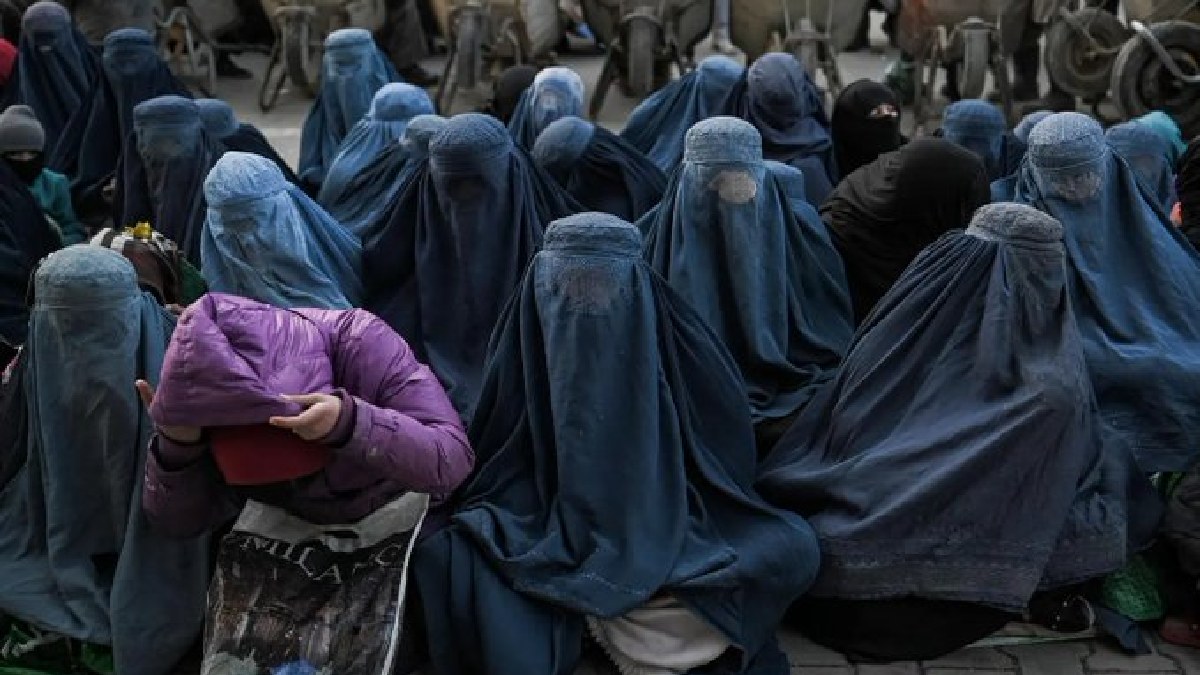
Codifying Violence: Husbands Authorized to "Punish"
The new penal code imposes a chilling “threshold” on domestic abuse. Article 32 permits a husband to inflict “punishment” on his wife and children physically as long as such violence does not lead to “broken bones or open wounds.” The legal penalty for surpassing this brutality is almost non-existent.
If a husband hits his wife with physical violence so “excessive force” it has been shown to produce visible bruising or broken bones and she can present evidence in court, the abuser can face up to a maximum of 15 days in prison. This, in effect, provides men legal immunity in general from what would in a modern legal system be said to be the crime of serious assault.
The Impossible Path to Justice
The new code creates an insurmountable maze of restrictions for a woman wanting to report abuse:
- The Chaperone Requirement: A woman cannot go to court alone. She must be accompanied by a Mahram (male guardian), the one who typically is the accused in cases of domestic abuse.
- Compulsory Modesty: You will be required by law to bear witness fully veiled to a judge which means physically doing so will not allow your bruises or injuries to stand as “proof.”
- Criminalizing Escape: If a woman abandons her home without her husband’s permission even to escape his violence she may be sentenced to three months in prison.
A Four-Tiered Justice System
Most striking of all, the new code codifies Afghan society into four social classes so that “equality before the law” is now only a shadow. Punishment is no more about the crime but rather the status of the offender:

- Religious Scholars (Ulema): This tier of elites gets “advice” or some gentle warning over the phone. For them, they are mostly immune from physical or custodial punishment.
- The Elite (Nobles/Tribal Leaders): They are called to court for explanations but rarely receive harsh sentencing.
- The Middle Class: These individuals are summoned at regular intervals and face imprisonment as well.
- The Lower Class: Ordinary people living at the lower end of society suffer the weight of the law, which includes public floggings and imprisonment.
Incredibly, corporal punishment (such as lashings) is no longer solely the work of prison authorities, but also frequently performed by clerics and private individuals under the guise of “preventing vice,” in which this was once the preserve of the prison official but is again delegated to clergy or private individuals.
Silence as a Crime
The Taliban’s Ministry of Justice has issued a stern warning that these laws stem directly from the Quran and Sunnah. As a result, criticizing or talking openly about these laws is now criminalized. Those who dissent to the penal code are taken to the courts to be prosecuted, making possible a clampdown on internal opposition.
As Afghanistan is moving from a country of constitutional rights toward a state imbued with “discretionary violence,” the world cannot deny that the erasure of Afghan women from our public and now private safety is being written into the very DNA of the state.