On February 27, 2026, a Delhi court rendered a verdict on a classic case of long‑standing liquor policy. The former Delhi chief minister Arvind Kejriwal and former deputy chief minister Manish Sisodia were acquitted on all charges. The court observed that there was no hint or evidence of conspiracy or wrongdoing in the setting out of the excise policy. This ruling makes a huge political, legal and public difference.
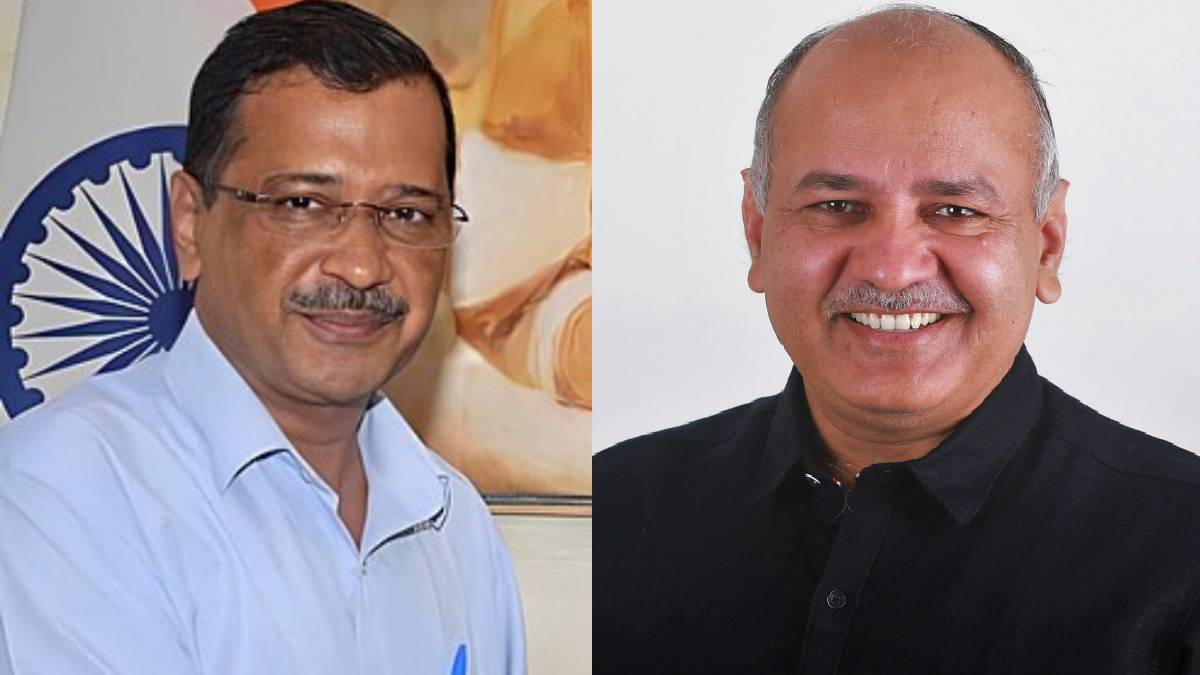
Background of the Case
The case started in 2022, when the Central Bureau of Investigation (CBI) and Enforcement Directorate (ED) alleged irregularities in Delhi’s liquor policy. According to the agencies, the policy gave private companies unfair benefits, and resulted in the Government incurring losses. Those accusations culminated in arrests, lengthy investigations, and political battles. Delhi accused Kejriwal and Sisodia, both senior leaders of AAP, of a history of corruption being interviewed, questioned, accused and eventually charged with it. The controversy became one of the most high‑profile in Indian politics.
Court's Decision
The Rouse Avenue Court reviewed the evidence and ruled that the prosecution failed to prove its claims. The judge said there was no clear evidence of conspiracy or financial malfeasance. Other accused chief officers, such as K. Kavitha, were also released from charges. Kejriwal would reportedly tear up after the verdict, and stand at the feet of Sisodia in a line beside him, AAP said. For AAP, this was considered a major relief after years of legal and political pressure.
Reactions and Next Steps
The verdict has provoked fierce reactions. Supporters of AAP hailed the ruling as evidence of their leaders’ honesty. However, critics made note that the CBI has already announced action plans to challenge the clean chit in a higher court. This implies the case may not be fully closed and hearings may take place. Politically, the decision bolsters AAP as well as its prospects, as it may win future elections as members of the party stand to gain from being vindicated.
The Arvind Kejriwal/Manish Sisodia clearance in the liquor policy case constitutes a turning point in Indian politics. Though the court found no evidence of conspiracy, the CBI’s appeal suggests the tale isn’t over. At least for now, the verdict has offered AAP leaders a moment to refine their image and concentrate on the governance front. The case illustrates how closely law and politics and public trust are intertwined in India’s democracy.