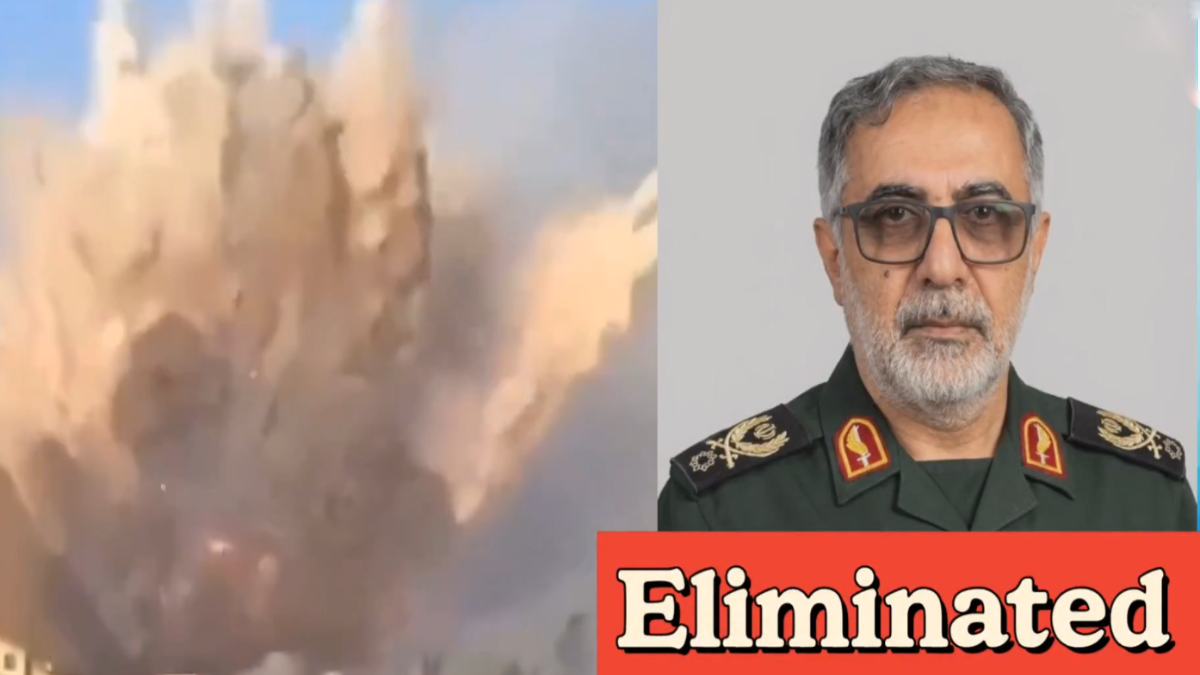
Majid Khademi, the intelligence chief of Iran’s Islamic Revolutionary Guard Corps (IRGC), has been killed by the United States and Israel in what may have been a major blow to Iran's security establishment in a strike and a blow to regional stability.
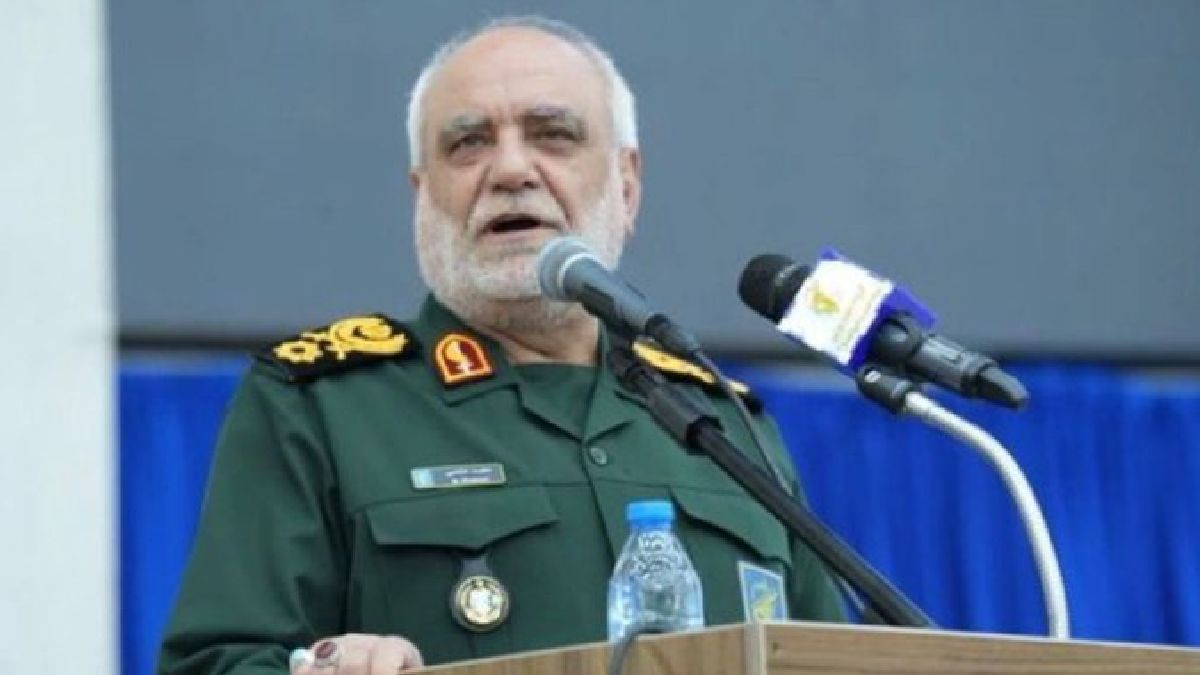
Majid Khademi was a key player in the Islamic Revolutionary Guard Corps in intelligence and strategic and security planning. His death has sent shockwaves through Iran’s military and political circles.
According to initial reports, the attack targeted a high-value location believed to be linked to IRGC activities. Details of the exact location and method of the attack remain unclear, but we can guess it was a direct strike at senior leadership. It would be not surprising if neither the US nor Israel officially confirmed involvement to have such a sensitive military operation in place.
Iranian authorities have not yet issued a public statement on the reason of the death of Khademi. But state-run media outlets have acknowledged the loss and said investigations are going on. Iran may also respond to the incident and there are concerns on the part of the state that an already volatile region could be in danger.
The killing of a senior IRGC intelligence officer will only heighten the tension between Iran and its foes. The IRGC is a powerful military force but also a powerful political and economic force in Iran. Attacks on its leadership are considered a huge provocation.
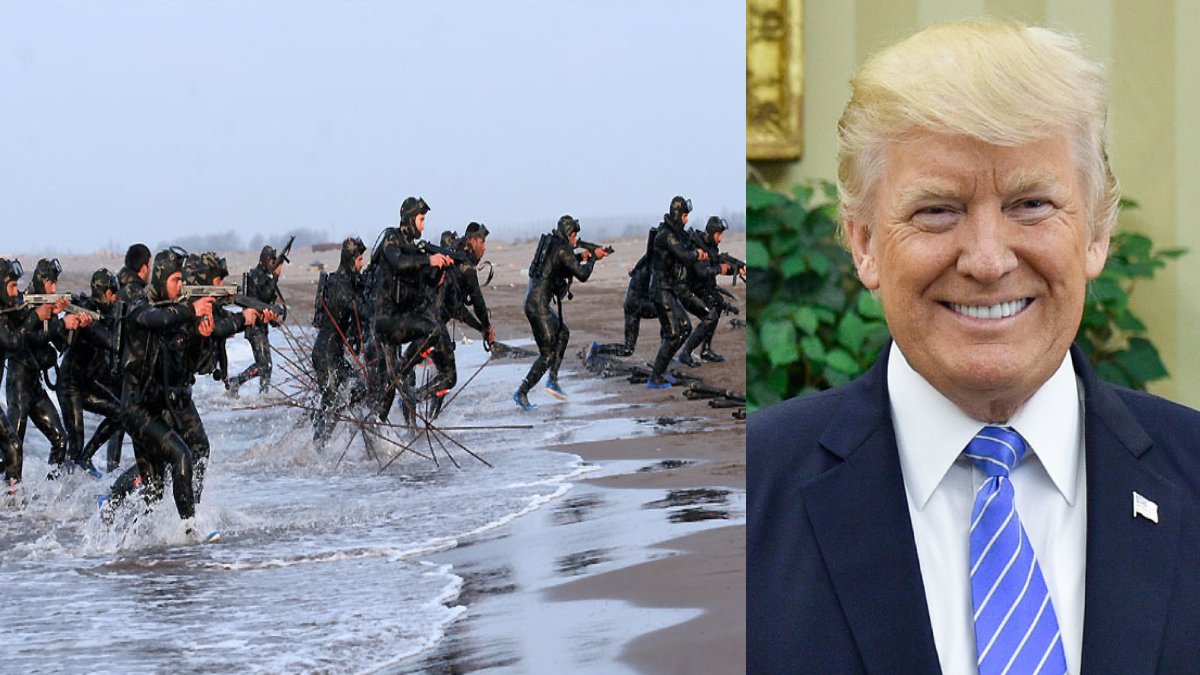
Much of the world is in a state of war between Iran, Israel and the United States and wars and strategic rivalries are playing out across the region. Studies show that such targeted strikes can trigger retaliation and lead to a bigger war.
International observers are closely monitoring the situation and all sides must exercise restraint to avoid escalation. Retaliatory strikes, cyber attacks or proxy wars are threats of all kinds.
Khademi’s death also illustrates how more and more of such attacks are conducted against high-ranking officials in contemporary warfare. Such strikes are typically intended to disrupt command structures and weaken adversarial capabilities, but they also increase the likelihood of conflict.
On the global stage, the situation is still an active one and we are anxious to see Iran’s reaction and the impact on regional and international security.