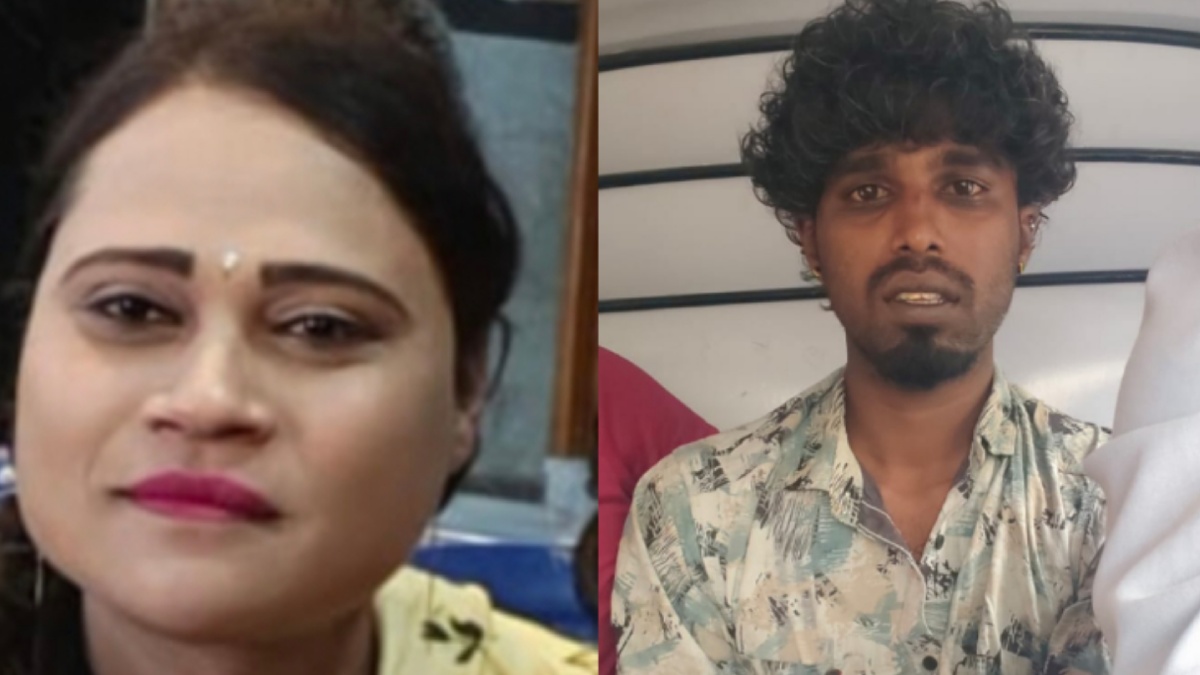
The tragedy occurred Thursday, family members and local reports say, when Joy Mahapatro was lured to a nearby store that was supposedly for a meeting. He was ambushed upon arrival, where he was allegedly attacked by Amirul Islam, a local. The family has made a chilling charge in which Joy was forcibly administered poison during the struggle.
Joy was rushed to the Sylhet MAG Osmani Medical College Hospital in critical condition. He died of complications despite medical professionals endeavoring to help him. On the victim’s behalf, the family has defiantly described the case as a "preplanned murder", and continues to demand prompt justice in an event it believes may allow local extremist elements to rise to a higher level of impunity.
A Pattern of Violence Since December
The murder of Joy Mahapatro is not an anomaly. Bangladesh has seen a dramatic increase in mob violence in the wake of the death of Sharif Osman Hadi, a radical student leader and spokesman for Inqilab Mancha. Extremist groups have reportedly taken advantage of the unrest created by Hadi’s death to attack Hindus in each of the following districts:
- Dipu Chandra Das, 27, beaten to death and his body set on fire across the streets of Mymensingh district on allegations of unverified blasphemy.
- Rajbari District: A mob lynched Amrit Mondal on December 24.
- Shariatpur District: On 31 December, 50-year-old Khokon Chandra Das was doused in petrol and set ablaze on the spot. Jessore District -- journalist Rana Pratap Bairagi was shot dead January 5.
- Narsingdi District: Sarat Mani Chakraborty, a 40-year-old, was killed a day later.
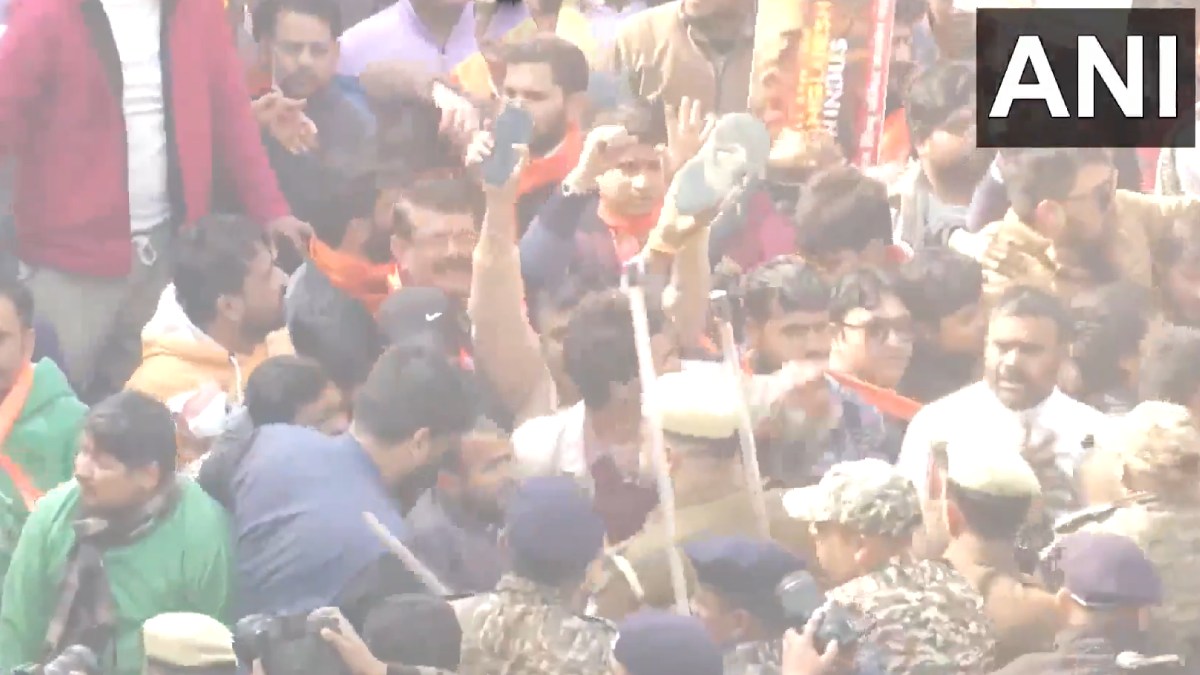
Since the interim government took control August 2024, over 2,900 incidents have been documented as attacks against minorities, which range from property destruction to physical assault according to human rights groups and the Indian government. Diplomatic tensions and the road to February elections. That unending violence has strained relations between Dhaka and New Delhi.
On Friday, Randhir Jaiswal, spokesperson from India’s Ministry of External Affairs (MEA), expressed “grave concern” in respect of the recurring attack pattern. He dismissed accusations that these incidents are mere “personal rivalries,” saying they reflect a greater level of insecurity among the 13 million Hindus (which are roughly 7.95% of the population) of Bangladesh.
Bangladesh’s interim government, guided by Muhammad Yunus, is under mounting pressure to reinstate law and order as the country gears up for the February 12 elections. The "fear and insecurity" expressed by India is likely to result in increased displacement and violence unless extremist elements are aggressively dealt with, minority leaders say.