The 2026 primary elections across Minnesota have transformed the political landscape for one of the country’s most closely watched Senate and governor contests. Lt. Gov. Peggy Flanagan defeated U.S. Representative Angie Craig in the Democratic Senate primary and former NFL sideline reporter Michele Tafoya was elected Republican after a crowded nine-candidate field. Flanagan will meet Tafoya in November at the Senate after Senator Tina Smith's decision not to seek another term.
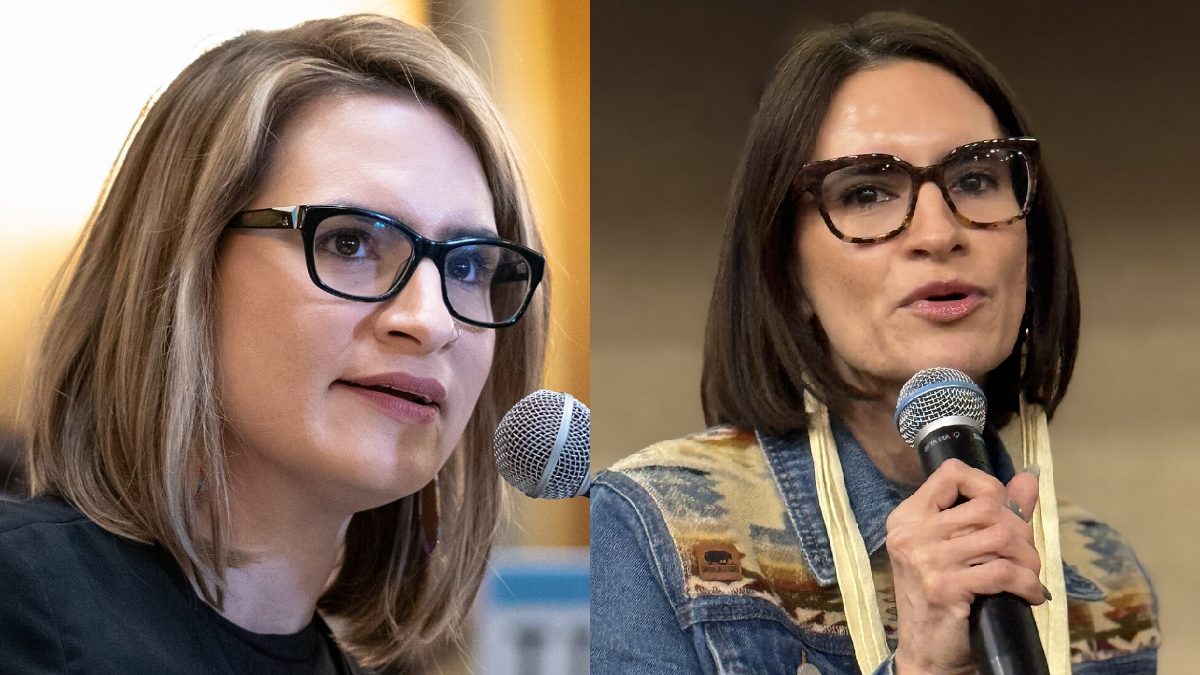
Flanagan’s victory is a victory for the progressive wing of the Democratic Farmer-Labor Party in Minnesota. She entered the primary with the support of the DFL establishment after winning the party’s endorsement by acclamation in May. She had the backing of progressive politicians (especially Senator Bernie Sanders) who supported her. Craig is a more moderate Democrat who has served Minnesota’s 2nd Congressional District since 2019, which is just one more example of ideological competition within the Democratic Party.
The Democratic race attracted national attention because the two candidates had diametrically different political profiles. Flanagan was a progressive candidate who had deep Democratic roots in Minnesota’s Democratic community and Craig was a moderate candidate who focused on her congressional history and moderate values. Craig also had a massive fundraising advantage, so Flanagan’s primary victory was particularly significant.
The Senate seat was open after Tina Smith announced that she will retire and Minnesota was the first state with an open Senate seat since 2006. The state has been a Democratic bastion in federal elections for years, but Republicans have run in both state and nationwide races at the expense of democracy in the last few years.
Tafoya won a nine-way race with several notable candidates on the Republican side. GOP-endorsed former Navy SEAL Adam Schwarze and former NBA player Royce White were among those who ran for the Senate in 2024. White has run for the Senate in 2024 and lost to Democratic Senator Amy Klobuchar. Tafoya’s background as a long-time sports broadcaster gives her a different profile from the majority of Republican candidates and could help the GOP campaign in a different way in the general election.
The November Senate race will be challenging for Republicans. The Cook Political Report lists the Minnesota Senate race as likely Democratic, which is not surprising given the recent electoral history of the state. Minnesota has not had a Republican US senator in more than two decades, but Republicans will be competitive in statewide elections and in the past have won the governorship.
The primary also had a major impact on Minnesota’s open governor’s race. Democratic Senator Amy Klobuchar won the Democratic nomination and is now in line for the general election after a contest of presidential candidates. Klobuchar is one of four sitting US senators who ran for governor in the 2026 election cycle and her victory is indicative of the general trends of American politics.
Klobuchar will now campaign for governor as Minnesota prepares for an open-seat election. The current governor, Tim Walz, is not seeking another term and so both major parties will need to redefine their political coalitions at the state level.
The Republican gubernatorial primary attracted much media attention because MyPillow CEO Mike Lindell, House Speaker Lisa Demuth and businessman Kendall Qualls were among those running. Lindell was supported by President Trump, and Qualls secured the Minnesota Republican Party’s endorsement after the party convention’s 10th round of voting in May.
Despite Trump’s support and his national popularity, Lindell failed to get the Republican nomination. Lisa Demuth won and now can lead the Republican ticket in the governor’s race. Lindell’s defeat is a blow to him and shows that national backing from the party and party endorsements are not enough to get her to win a competitive primary.
The governor’s race will now have Klobuchar and Demuth as the main party nominees in Minnesota. Like the Senate race, the governor’s race will be watched closely as Democrats have been winning statewide while Republicans are pursuing a shot at the governor’s chairmanship in a state where they haven’t won the governorship in nearly two decades.
The primary results thus leave Minnesota with two high-profile statewide contests heading into November. Flanagan will try to hold onto the Senate for Democrats against Tafoya, while Klobuchar will try to succeed Walz as governor. Republicans will use the open-seat nature of the gubernatorial race and Tafoya’s Senate campaign to broaden their statewide appeal.
Now that the primary contests are over, the focus is on the general election campaign. The candidates need to expand their coalitions beyond their primary bases and issues— such as the economy, healthcare, public safety, education, taxes, and the role of government will play an important role. Minnesota’s Democratic lean is Democratic but the statewide races could still attract national attention and spending.
The Minnesota primary results have also demonstrated the competing factions of both major parties. Flanagan’s win will be a strength for progressive Democrats; Demuth’s hand of victory over Trump-backed Lindell shows that national endorsements are at odds with state-level Republican primary politics. Minnesota is clearly a key battle for both parties to keep the political balance at the top in Washington and across the state and will be still a key battlefield in the November election as well.