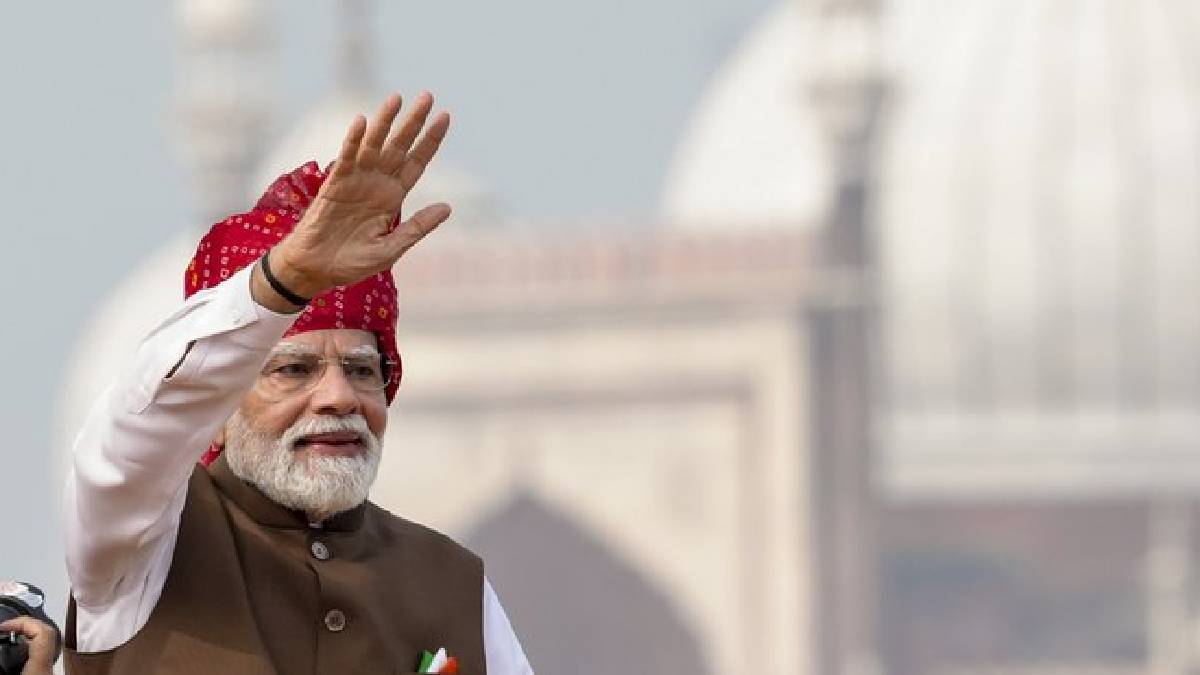
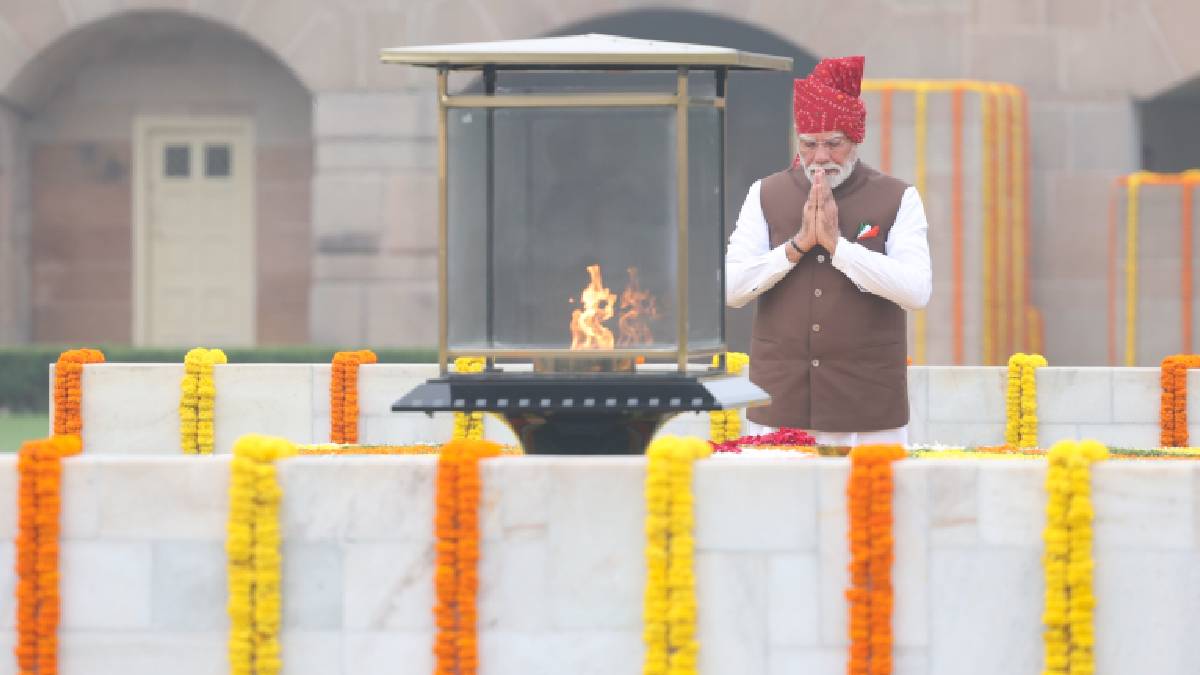
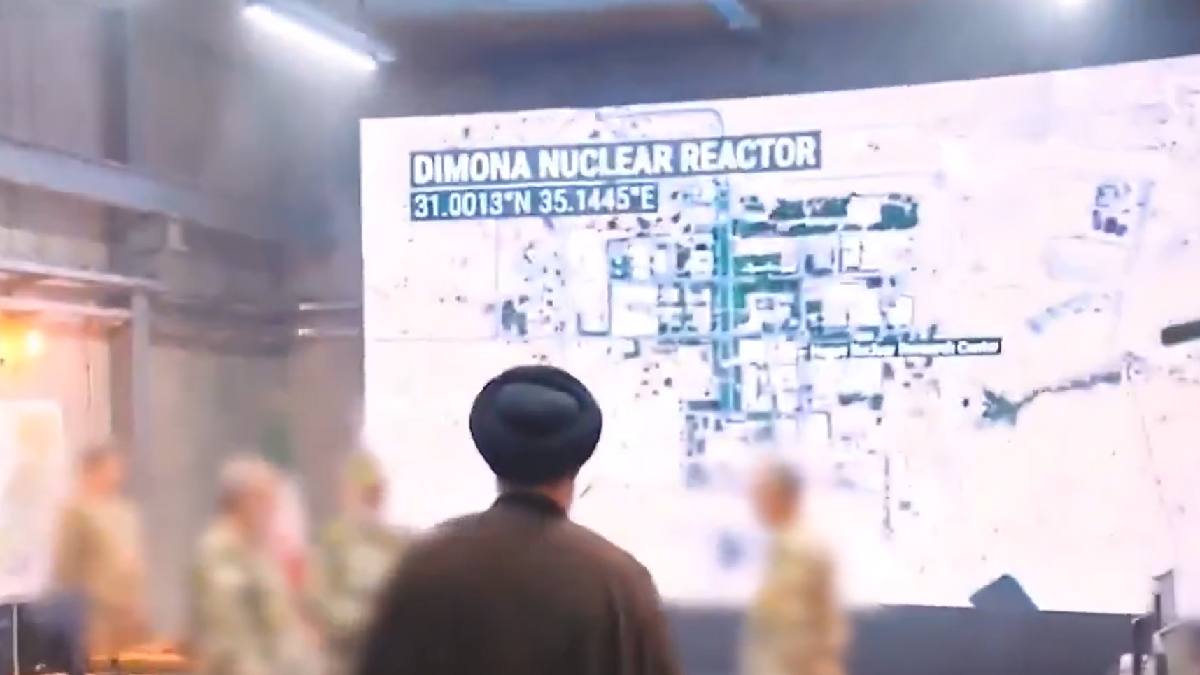
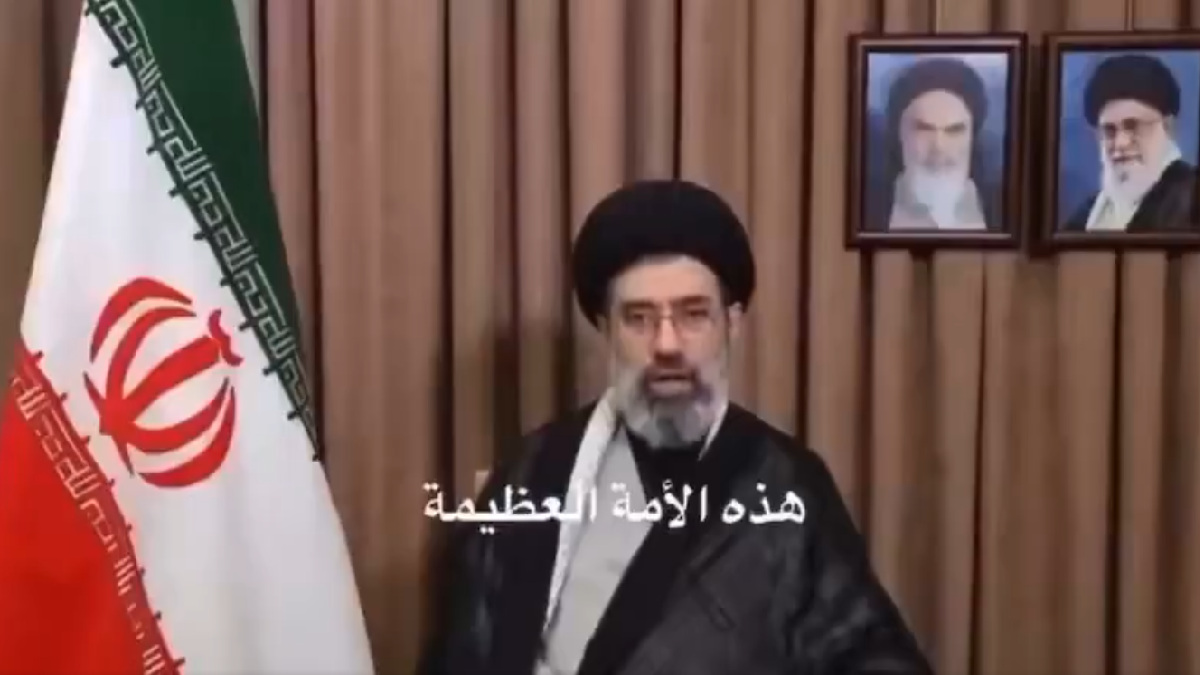
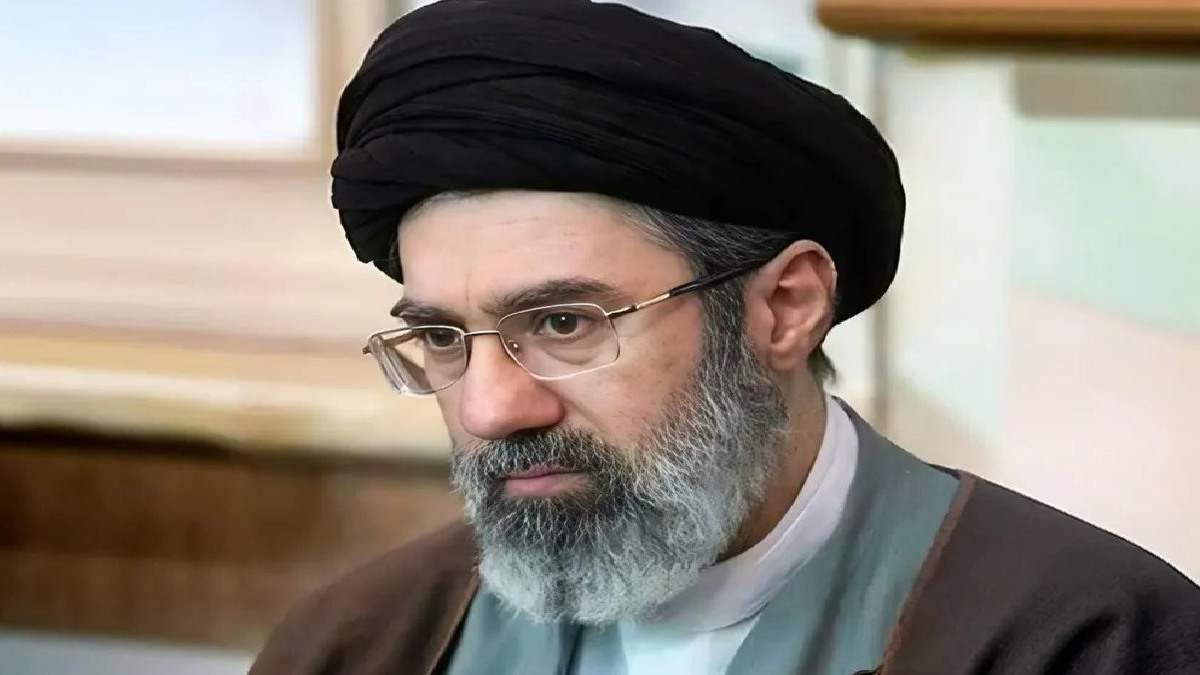
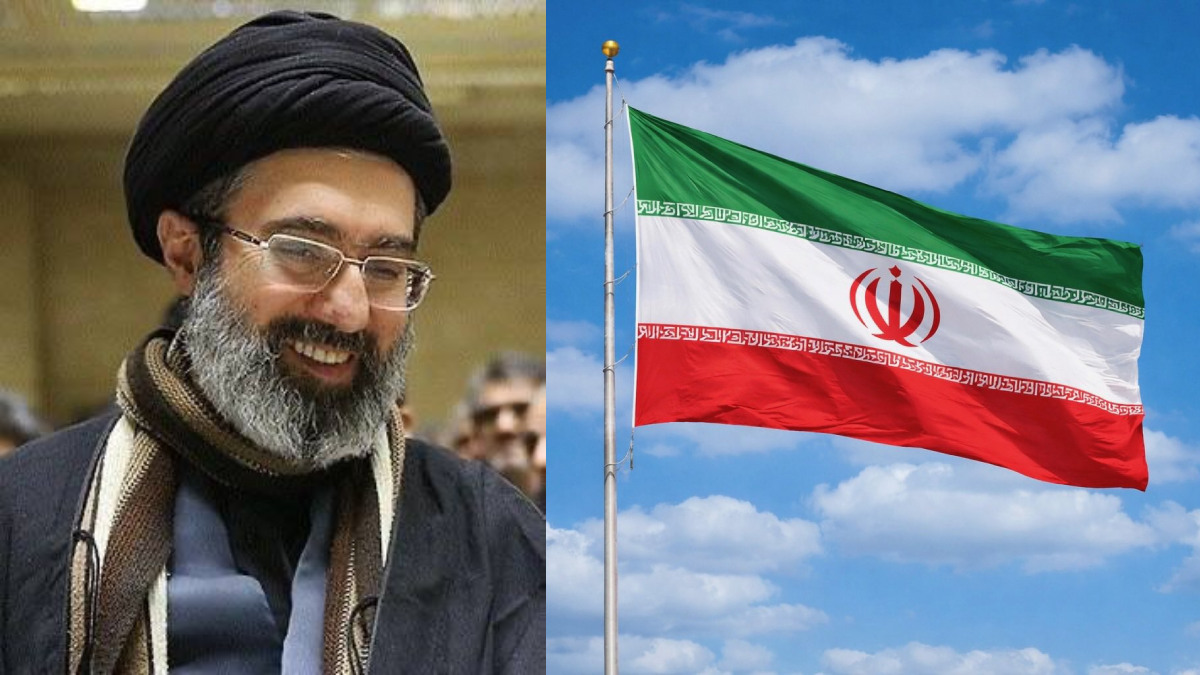
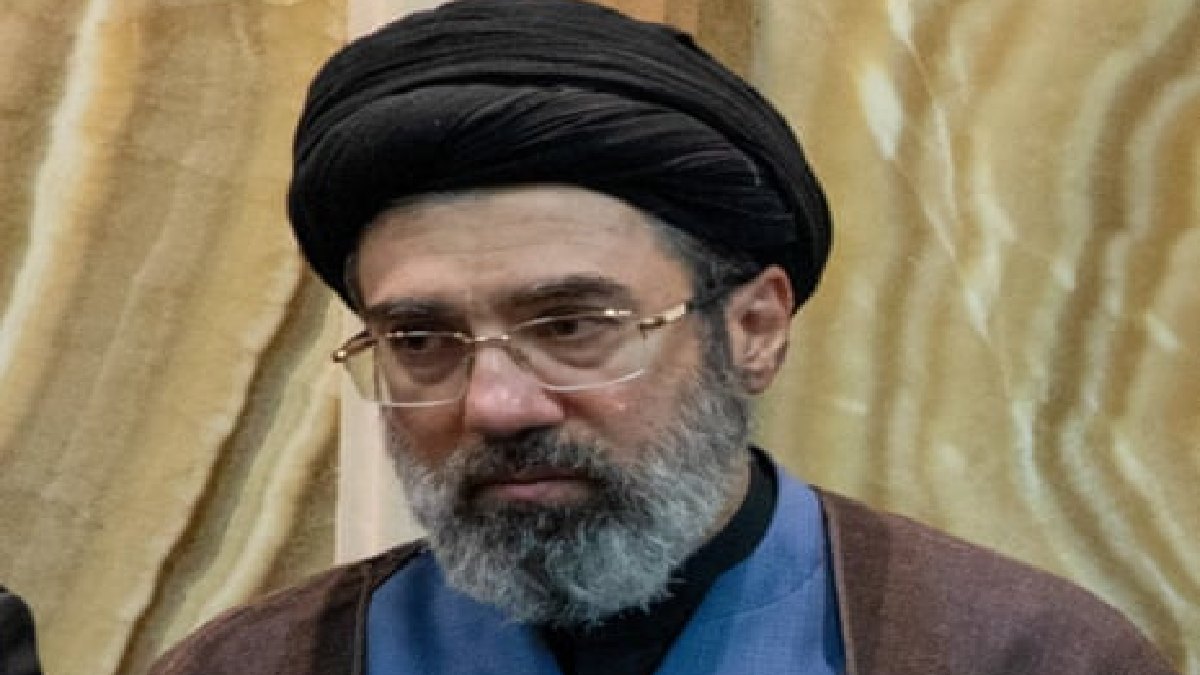
Mojtaba Khamenei is appointed Supreme Leader of Iran amid the smoke of ongoing conflict and the grief of a personal tragedy. The move, announced by the Assembly of Experts, reflects a hardline "digging in" on the part of the regime. Mojtaba, who had previously served as the “gatekeeper” of the Office of the Supreme Leader, is widely seen by international analysts as more radical and uncompromisingly anti-Western than his father.
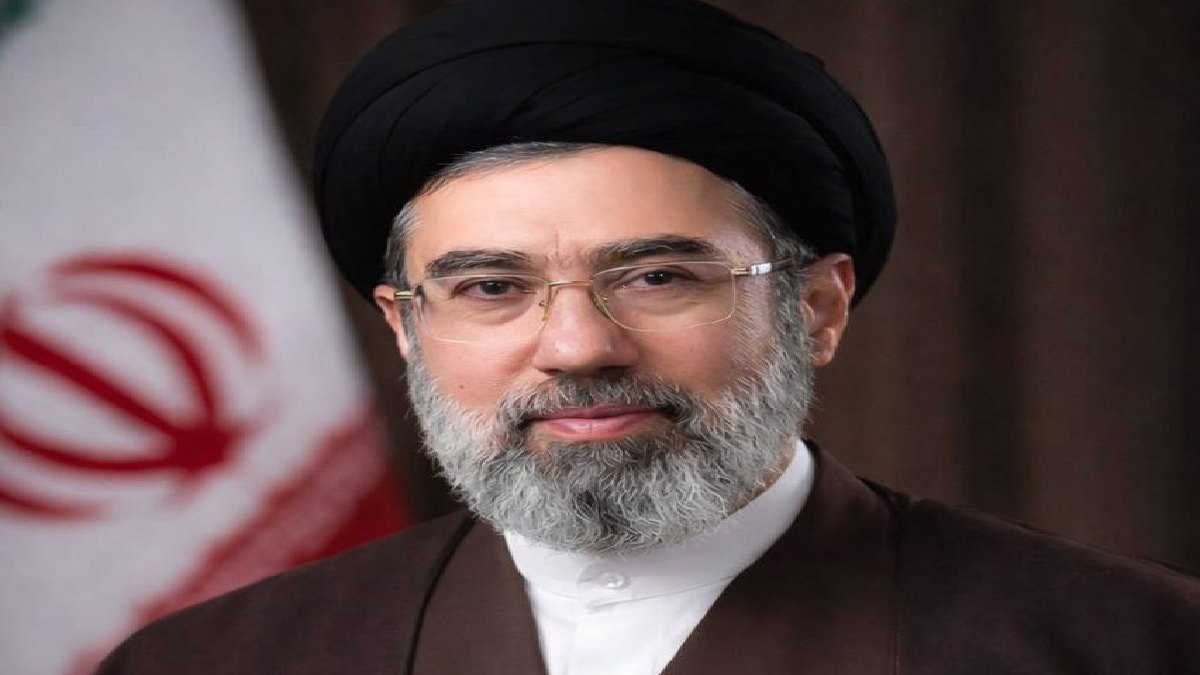
A Leader Forged in Personal Loss
This new leader’s rise is deeply personal. News and reports from within Tehran also indicate that the February 28 strike that killed Ali Khamenei has also resulted in the deaths of Mojtaba’s mother (Mansoureh Khojasteh Bagherzadeh), his wife (Zahra Haddad-Adel), and one of his sons.
Mojtaba will lead by a policy of “retribution-first” after losing his nuclear family in the opening salvo of the 2026 war. Unlike his father, who sometimes tempered revolutionary discourse with a certain strategic forbearance, Khamenei has now been depicted as having “nothing left to lose” and that has reverberated across the world of diplomacy.
"Regret Any Aggression": Military Confidence
In a demonstration of unity, General Staff and IRGC issued a joint statement after his new post was appointed. “Under the command of Supreme Leader Mojtaba Khamenei, we will make America and all enemies regret any aggression against us. Our missiles are fueled by the blood of our martyrs, and our resolve is as firm as the mountains,” the release said.
The IRGC, behind efforts to compel Mojtaba’s appointment, has already started to mobilize across the “Axis of Resistance.” This military-security synergy implies that Iran’s response to the continuing U.S.-Israeli offensive is poised to be far more decentralized and deadly, making use of its entire drone and ballistic missile systems.
The Most Radical Successor
The international intelligence community has long condemned Mojtaba for his deep connections with the Basij paramilitary and the Quds Force. His schooling under arch-conservative clerics most notably Mesbah Yazdi, who was notorious for promoting the acquisition of "special weapons" underlines his extremist ideological impulses.
And although the U.S. has labeled him “unacceptable,” the regime in Tehran has used his appointment to deliver a pointed message to Washington: the system not only survived the assassination of its leader but has turned even more radicalized and poised for a long conflict.