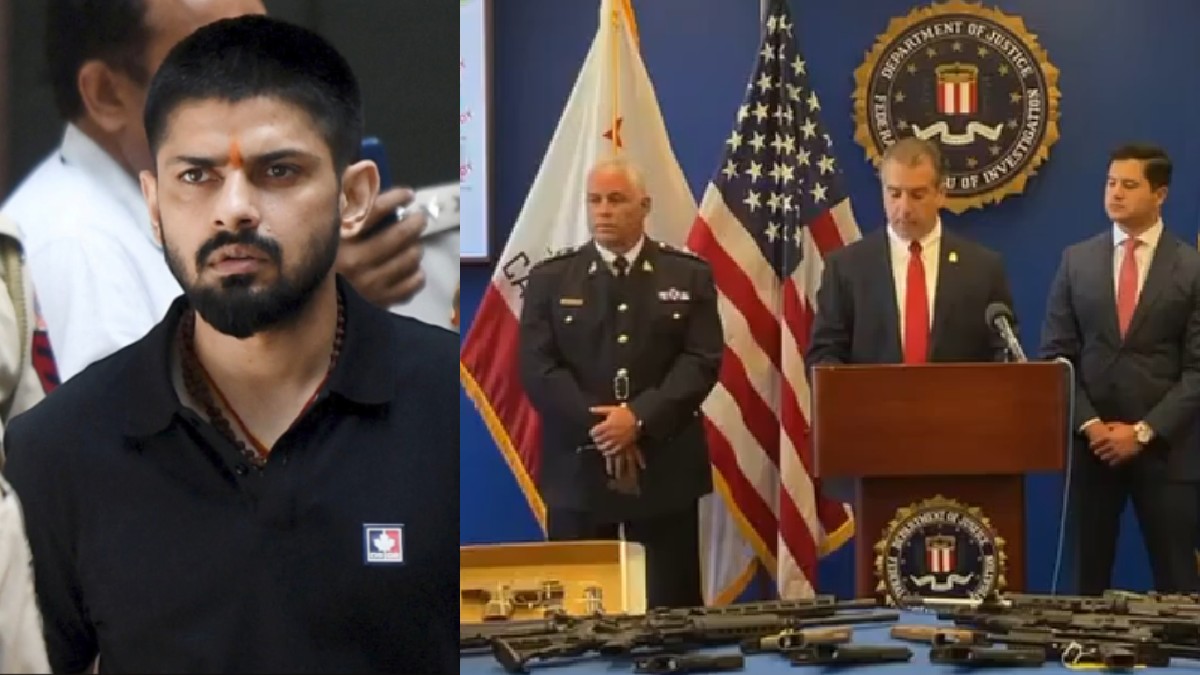
The upcoming docu-series Lawrence of Punjab was already banned before its planned release due to heavy criticism and outrage over the glorification of gangster Lawrence Bishnoi.
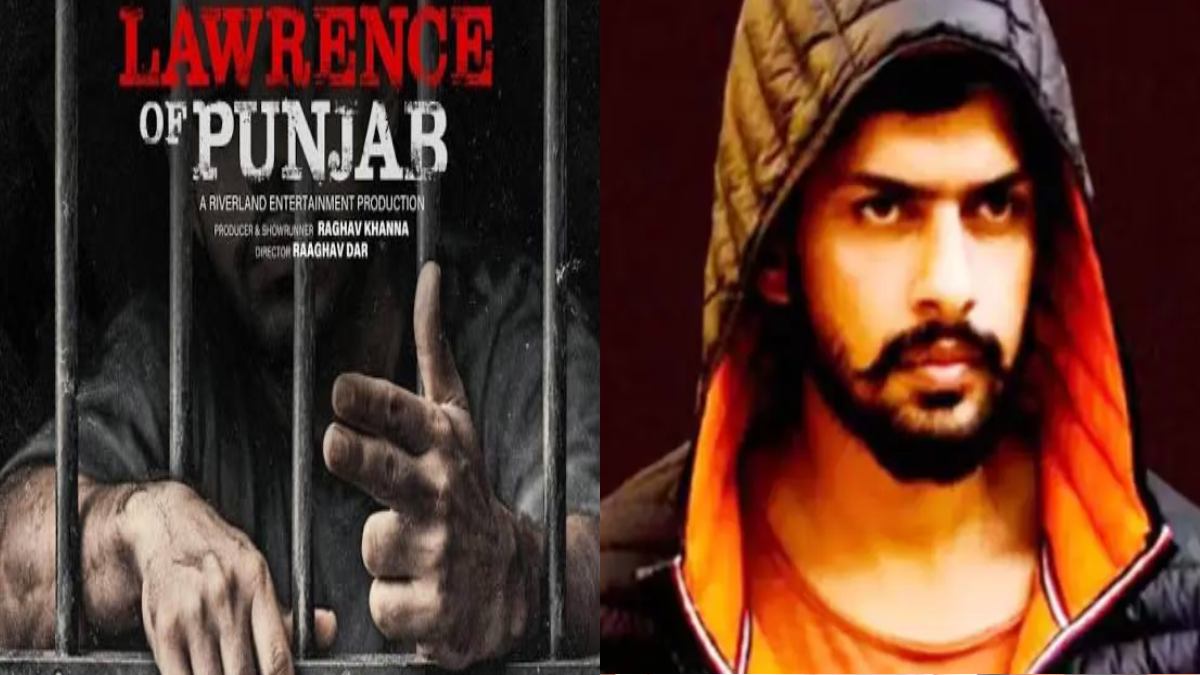
The decision is coming in the background of mounting pressure from political and law enforcement officials, as well as family members of crime victims, who have argued that the series could have a bad impact on society and undermine the justice system.
The show, which will premiere on April 27, focuses on the life and crime empire of Lawrence Bishnoi, a notoriously high-profile figure with more than 80 cases against him. Those include murder, extortion, threats and organised crime. Several others are awaiting trial.
It’s made him an oversized figure on its show, and some claim Bishnoi is simply an exercise in exaggeration in the docu-based series and that its soundtracks, visuals and narrative stylisation and stylised storytelling elevate Bishnoi to the epic pedestal. Meanwhile, the newly introduced trailer includes interviews with police officers, journalists and social activists.
Its scenes of dramatised behaviour do not go into his criminal history; they are a lot more flattering. The controversy grew when political parties, including the Punjab Congress, pushed for a ban on the show. Public Interest Litigation (PIL) was also filed in connection with this content, claiming it would cause disruption to judicial proceedings during the Bishnoi pending cases.
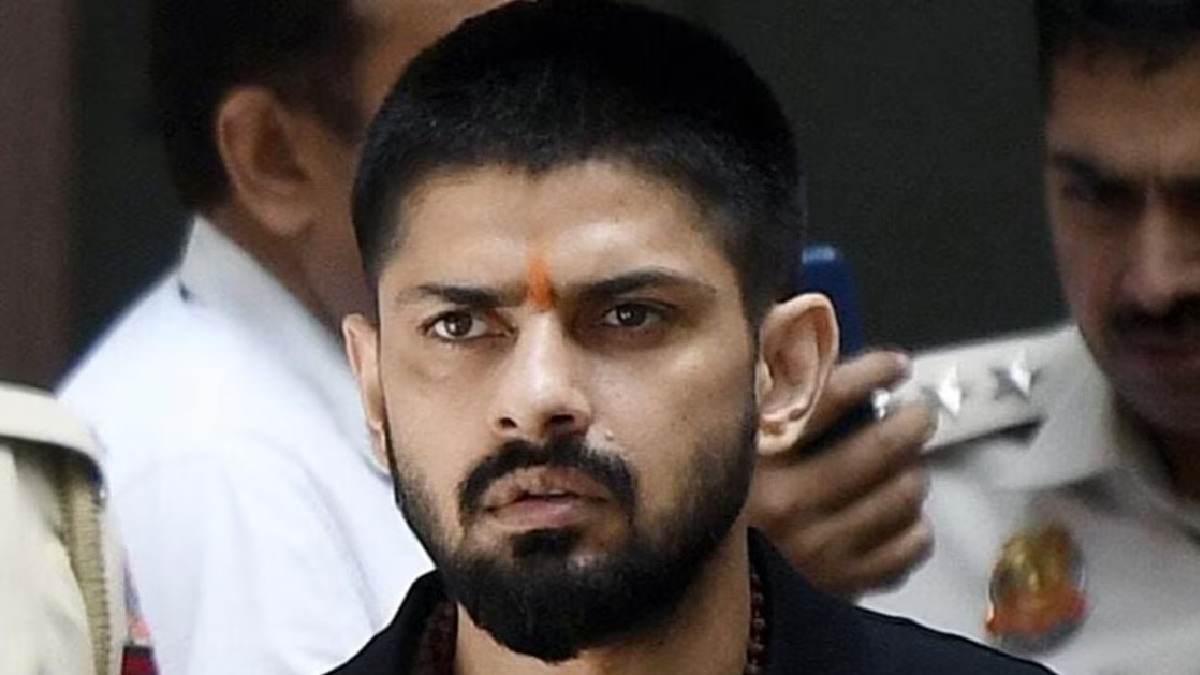
There was also opposition to publishing the family of the late singer Sidhu Moosewala, who was said to have been murdered by Bishnoi gang members. Moosewala’s father criticised the release of those photos, saying that they glamorised crime and showed no respect to the victims who were killed by gang violence. Other law enforcement agencies were sounding the alarm, too.
Punjab Police had allegedly been concerned that the series would disturb public order by presenting gangsters as role models while also portraying them as criminals. The media also has to act responsibly, police added. Especially when it is about real criminal cases currently going before the court of law.
Recognising these problems, the Ministry of Information and Broadcasting informed the Haryana High Court during its hearing that the docu-series was prohibited. Such a shift in public opinion would appear just to make viewers more nervous about the way criminal justice is portrayed in the mainstream media. It has also raised new concerns about what goes wrong when story and celebration are mixed up.
So now the problem has triggered an almost current new conversation about “heroes,” in film and in digital culture and how we can construct our heroes onscreen. Or better yet, heroes are the folks who protect others from wrongs, who stand up when the worst happens and stand up to what is wrong.
But there are still more and still more anti-heroes or even real people committing crimes who seem positively glamorous as a result of today's media landscape. The artistic portrayal, and usually a moral one as well, has been sold to some critics who feel there is a slippery line between “adorning” or “storytelling.”
If crossed, this may lead the film to be taken in an entirely different light by public opinion, males, and especially so for younger viewers. Lawrence of Punjab's ban highlights some of the quandaries that laws face in reconciling creativity with social justice. From that happens the argument advances: Is it really about time that we treat real crime as heroes, since such expression must come at its personal cost to society?