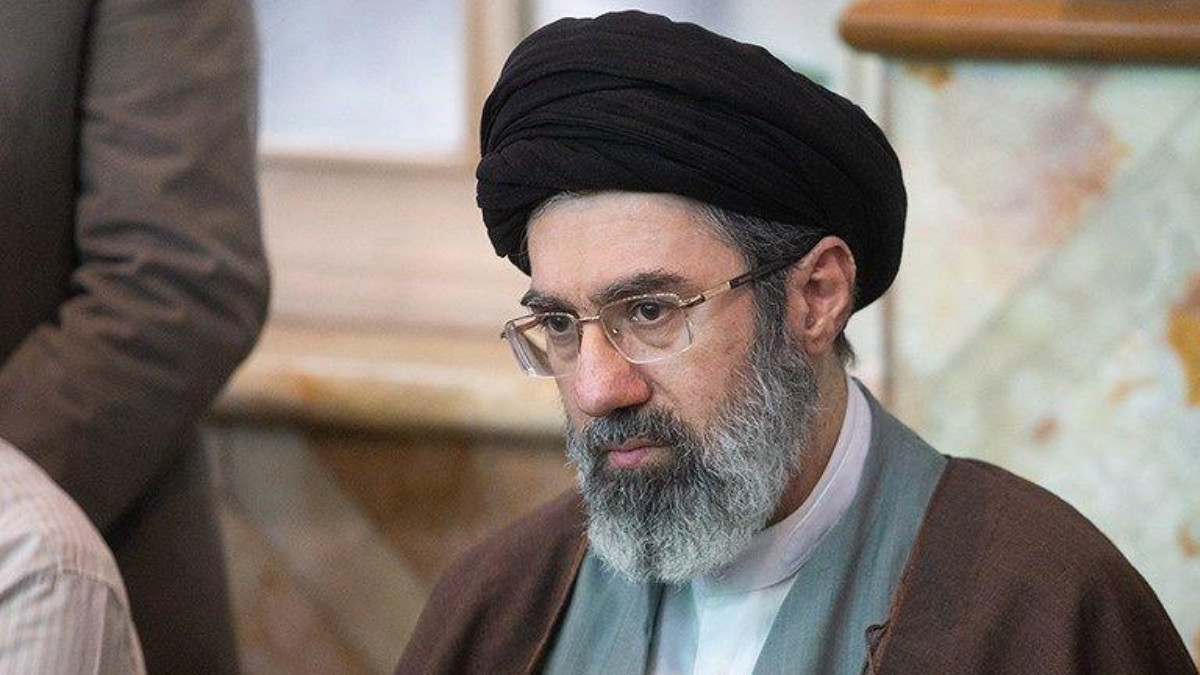
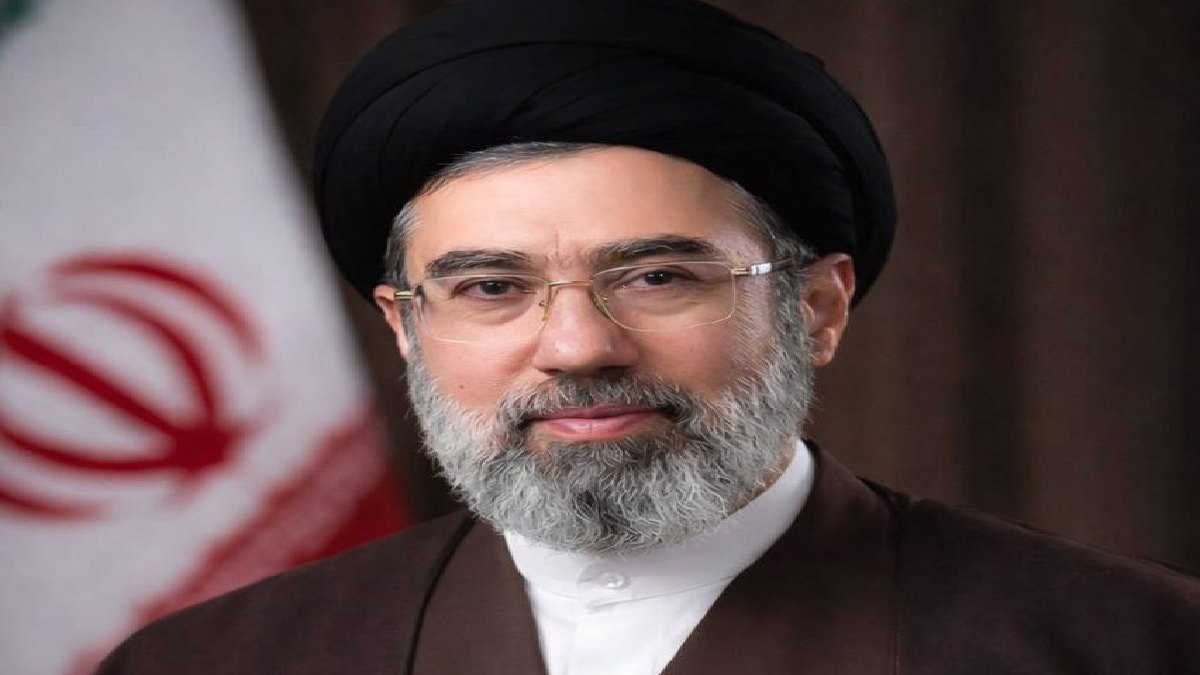
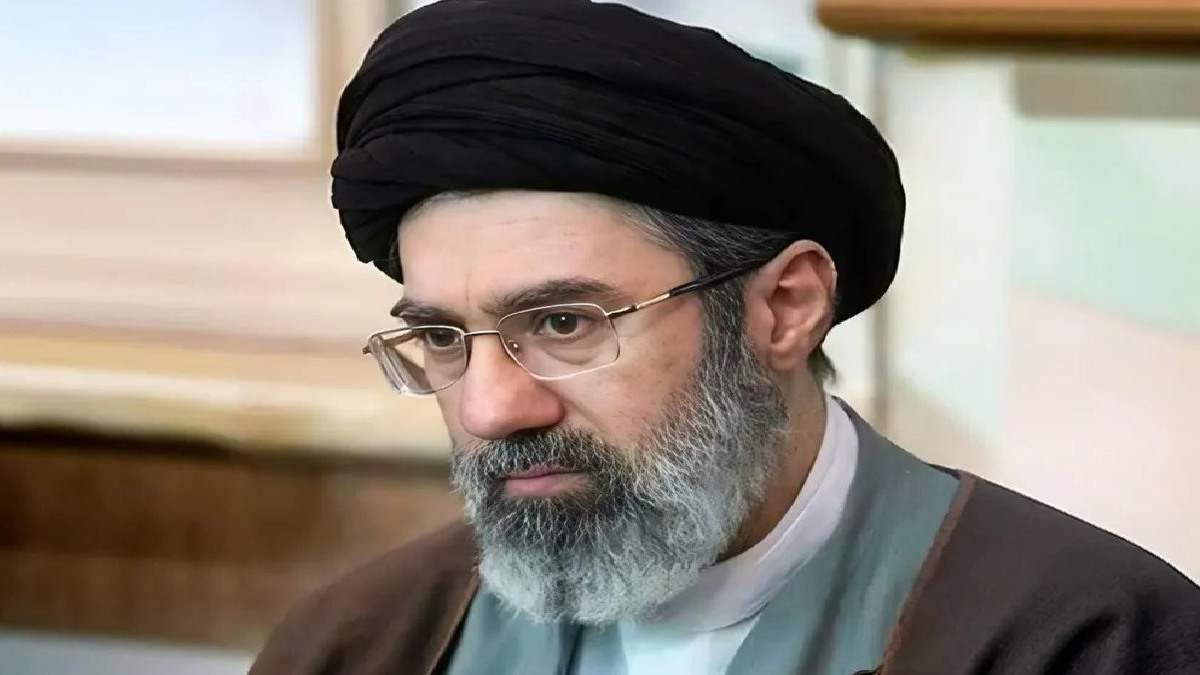
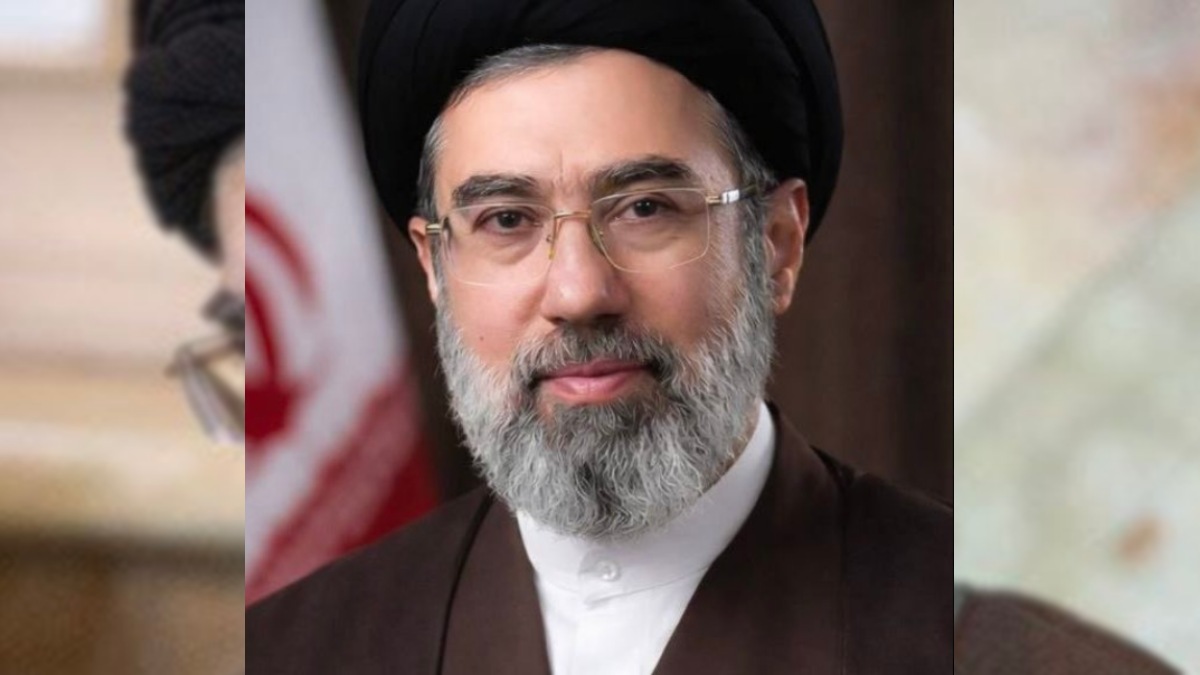
As Mojtaba Khamenei prepares to take the helm of the Islamic Republic following the death of his father, Ali Khamenei, the world’s spotlight has turned toward the secretive 56-year-old. While much of the discussion centers on his ties to the Revolutionary Guard, a decades-old controversy regarding his health and personal life has resurfaced: the claim that he once struggled with severe infertility and impotency.
The WikiLeaks Revelation
The allegations first came to light through the massive 2010 WikiLeaks release of U.S. State Department cables. A specific briefing sent from the U.S. Embassy in London in 2008 detailed Mojtaba's frequent and extended visits to the United Kingdom for medical reasons.
The intelligence indicated that the first three visits were largely unsuccessful. However, a fourth visit required an extended stay of two months in the UK. Shortly after this final round of treatment, his wife became pregnant.
Why It Matters Now
The resurfacing of these medical records is more than just tabloid fodder. In the rigid hierarchy of the Islamic Republic, the ability to produce a male heir is tied to notions of strength, traditional masculinity, and dynastic stability.
Critics of the regime have often used these leaks to humanize or even mock the leadership, while supporters view the eventual birth of his son as a "divine blessing" that overcame medical hurdles. As Mojtaba transitions from the "power behind the robes" to the official Supreme Leader, his personal history continues to be a point of fascination and friction in the narrative of his rise to power.