NASA astronaut Anil Menon and Russian cosmonauts Pyotr Dubrov and Anna Kikina have arrived at the International Space Station (ISS) aboard the Soyuz MS-29 spacecraft on the way to the ISS, the start of a roughly eight-month mission to scientific research and international collaboration in space.
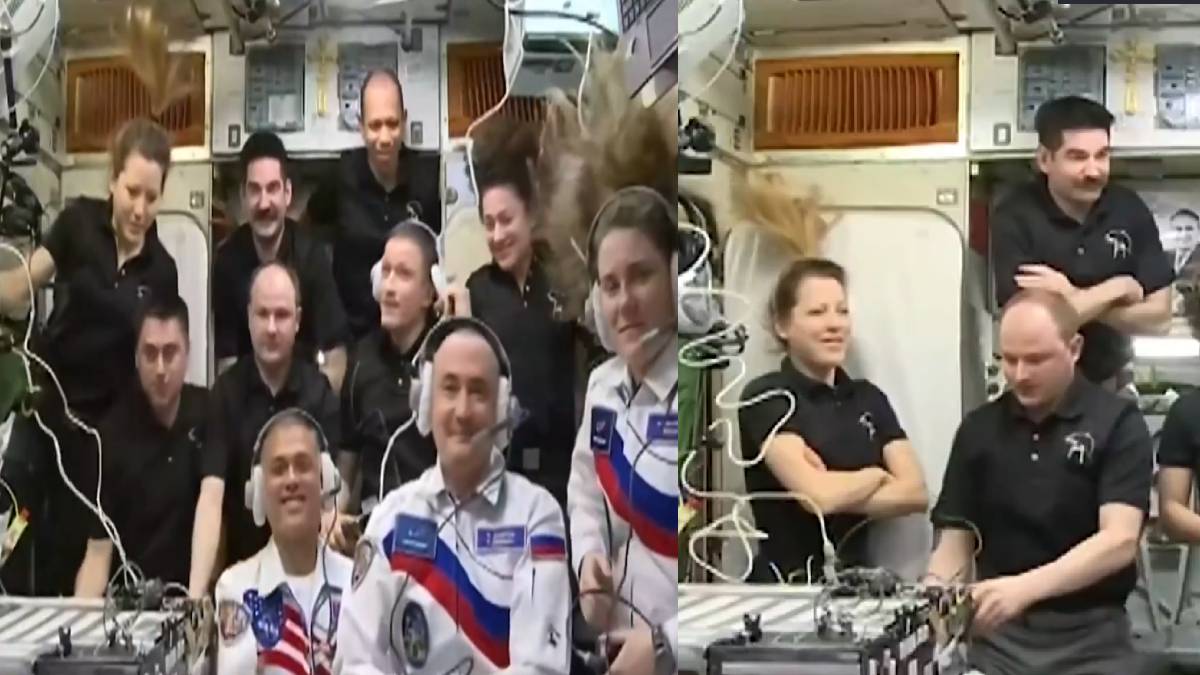
The Soyuz spacecraft took off from the historic Baikonur Cosmodrome in Kazakhstan and made a smooth journey before docking with the orbiting laboratory just a few hours later. The successful mission continues NASA’s long-standing relationship with Russia’s Roscosmos to support scientific cooperation in space and shows the relationship is alive and well despite the challenges on Earth.
STORY | NASA astronaut Anil Menon, two others reach International Space Station
— Press Trust of India (@PTI_News) July 15, 2026
NASA astronaut Anil Menon and two Russian cosmonauts reached the International Space Station to hugs and handshakes in the early hours of Wednesday (India time) onboard Soyuz MS-29 spacecraft after a… pic.twitter.com/3DQAt2UFae
For Anil Menon, this journey in space is very special as a doctor and an engineer who is also a colonel in the U.S. Air Force. He was selected by NASA in 2021 after pursuing his medical career in aerospace medicine, emergency care, and human spaceflight.
Menon was born to Indian and Ukrainian parents. Before he joined NASA's astronaut corps, he worked as a flight surgeon for NASA and later became the first flight surgeon for SpaceX, where he worked closely with the company's Crew Dragon missions. He will be a crucial part of ISS research on astronaut health and emergency medicine.
The three crew members will join an international team of astronauts already on the station. They will perform hundreds of scientific investigations in biology, medicine, materials science, Earth observation, physics, and advanced technology development together.
One of the primary objectives of the mission is to better understand how prolonged exposure to microgravity impacts the human body. The research should help improve healthcare for astronauts in future long-term missions to the Moon and Mars and also benefit healthcare on Earth.
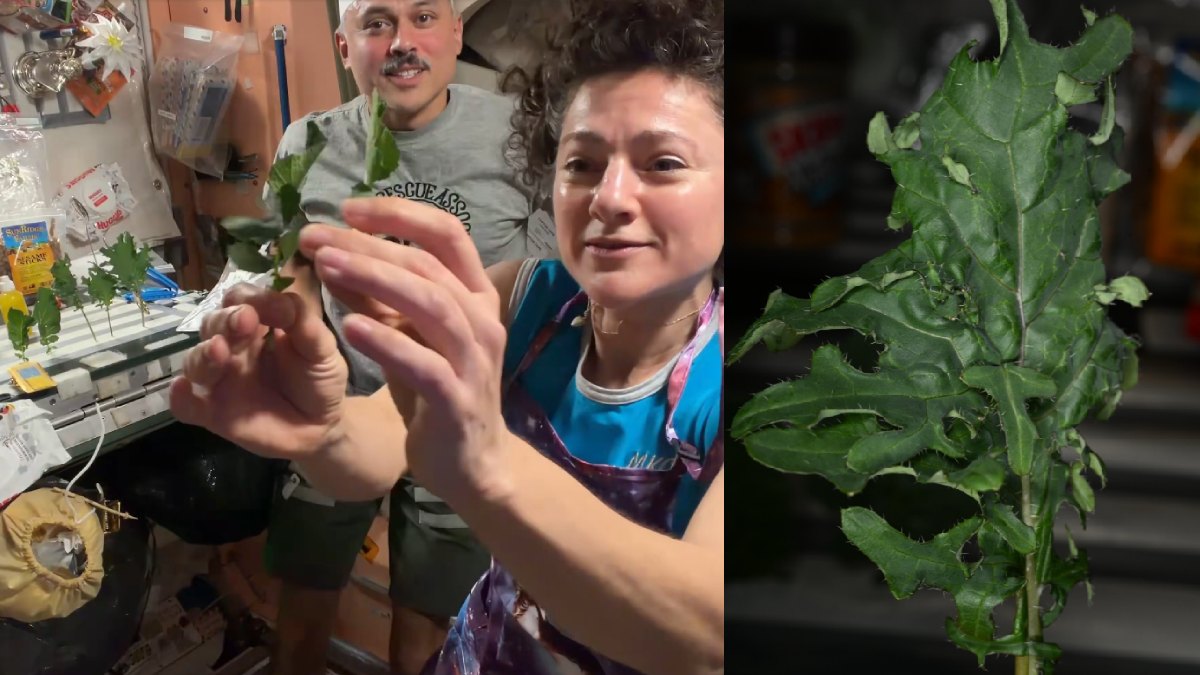
The crew will also experiment with plant growth, advanced manufacturing techniques, fluid dynamics, and space-based technologies. Many of these studies are aimed at preparing humans for future deep-space exploration with programs like NASA’s Artemis missions to establish a sustainable human presence on the Moon before sending astronauts to Mars.
Menon and his crew will also perform maintenance on the International Space Station, install new hardware, support cargo transfers, and conduct educational outreach activities to motivate students to pursue careers in science, technology, engineering, and mathematics (STEM).
The arrival of Soyuz MS-29 also signals the success of NASA and Roscosmos’ crew exchange program, which ensures American astronauts and Russian cosmonauts are together on the ISS at all times. This enhances operational efficiency and allows teams to perform scientific work on the ISS regardless of the launch schedule.
While the International Space Station has been inhabited continuously since November 2000, it is the world's largest orbital laboratory and remains a symbol of peaceful international cooperation. Scientists from dozens of countries rely on the station to conduct experiments that would be impossible under Earth’s gravity.
It is also significant for India and the Indian diaspora abroad. Menon is the latest of many astronauts of Indian heritage who have contributed to human spaceflight and scientific advancement. As India prepares to develop its own ambitious human spaceflight program through Gaganyaan, Menon’s journey is expected to inspire a vast number of young people and aspiring scientists to pursue careers in space.
The eight-month expedition will provide valuable research insights and strengthen international partnerships that continue to reach new horizons in space exploration. Anil Menon will be one of a select few who will travel beyond Earth as he continues to expand knowledge on life in space and help set the stage for the next generation of exploration beyond low-Earth orbit.