Nepal is now at the centre of another major weather-related disaster after days of torrential rains triggered a huge landslide with at least 24 people killed and 14 missing. The latest disaster is just one of many in the Himalayan country and has worsened the disaster in the country because the recent heavy rain, too, caused landslides, flooding and infrastructure damage and disrupted local transportation.
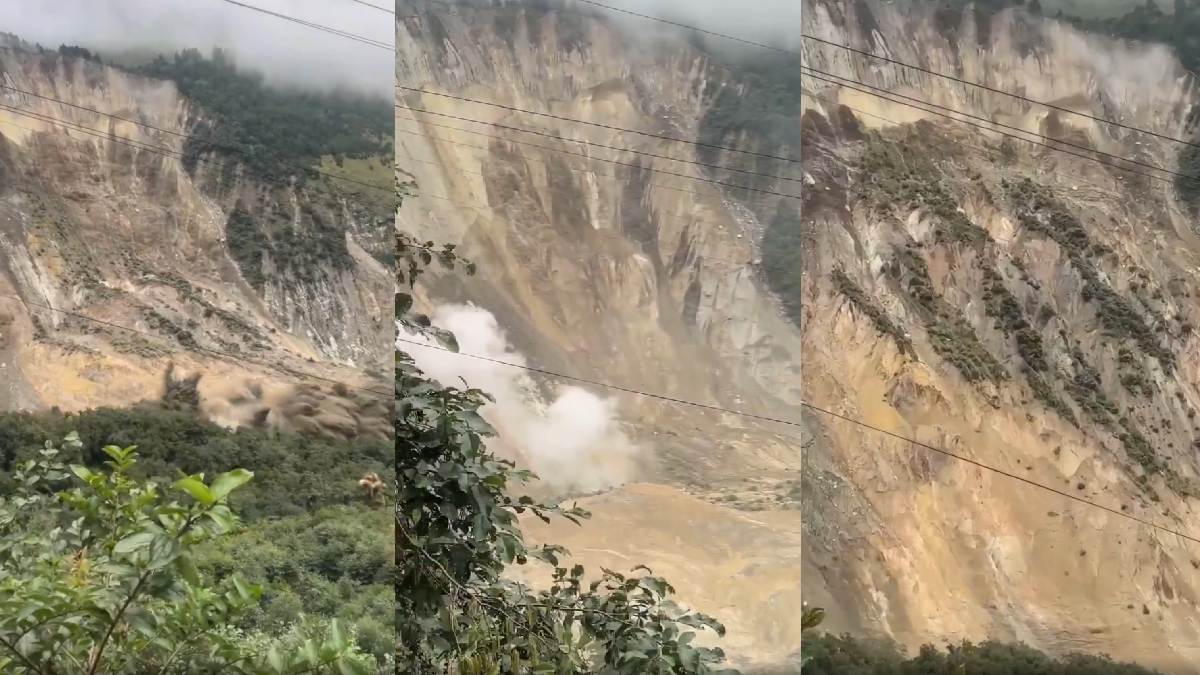
The new landslide occurred after days of heavy rainfall and sent a major portion of the mountainside crashing toward the swollen Kali Gandaki River. Rescue and damage assessment operations are continuing as the weather is bad in western and central Nepal. Homes, roads and bridges are damaged and hydropower generation facilities have been affected.
Heavy Rainfall Triggers Fresh Landslide
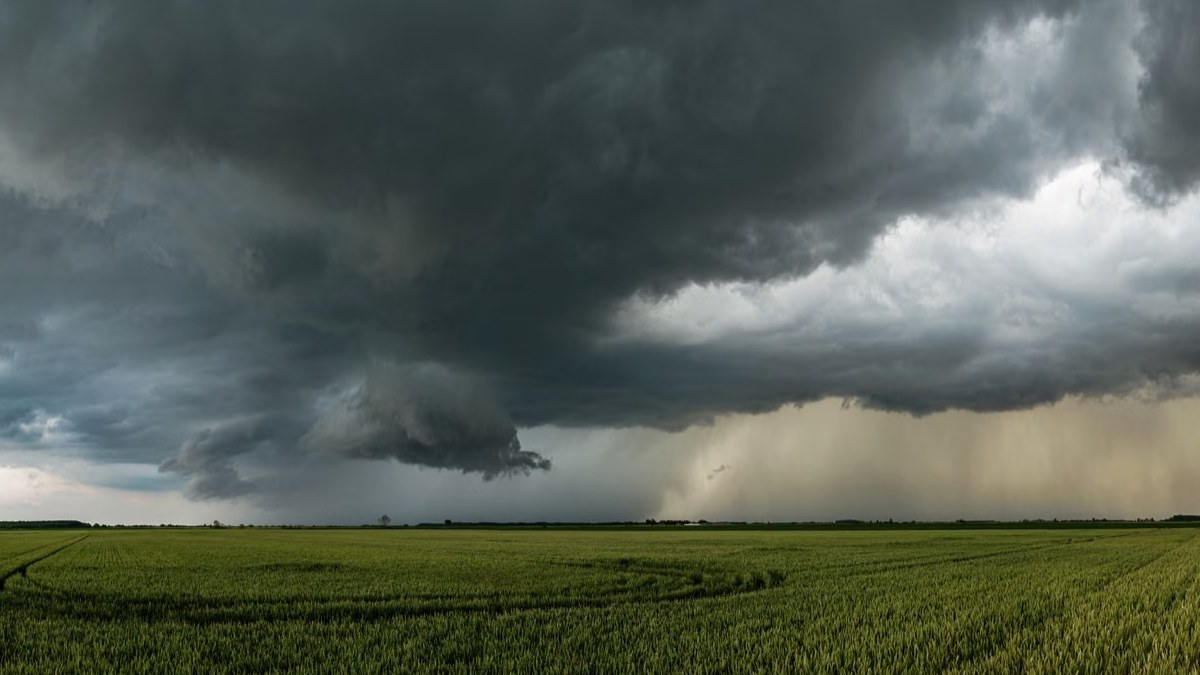
Nepal has been experiencing heavy to very heavy rainfall since September 24, with experts attributing the weather system to a low-pressure area over the Bay of Bengal. It is the result of a low-pressure area developing in Nepal and its weather system for the past few days and strong weather that has sent floods and landslides in Nepal, the type of rainfall that is likely to cause floods and landslides in mountainous and river-adjacent areas.
The National Disaster Risk Reduction and Management Authority has reported widespread rain-related incidents. An official update on September 28 reported 21 deaths, five missing people and five injuries due to floods, landslides and continuous rainfall statewide. Landslides accounted for 14 of those deaths and five missing people in that figure.
The death toll from the big landslide and its immediate effects is 24, and 14 people are missing. Since rescue teams are still working in the affected areas and reports can cover different incidents or stages of the disaster, the casualty figures may change as authorities verify information.
Kali Gandaki River Area Among Worst Hit
The latest landslide has raised concerns around the Kali Gandaki River, one of Nepal's major river systems. The huge movement of earth and debris has affected communities and infrastructure in the surrounding mountainous region.
Landslides in the wider area also have fueled concern of river blockages and sudden changes in water flow. During the current spell of rain last month, authorities warned residents downstream of areas where landslides had blocked or partially blocked rivers. If the accumulated water is suddenly pushed through the debris, that can be dangerous too.
The rainfall continues to make rescue and recovery efforts more difficult. Roads have been blocked in several locations, and damaged bridges and other infrastructure have made it difficult to move between affected communities.
Baglung Reports Multiple Deaths
The Baglung district has also suffered heavy losses in the recent pattern of rainfall. A landslide triggered by incessant rain killed 10 people in the district, and one person was missing, local media reported. Local areas affected are Tamankhola, Nisikhola and Tarakhola rural communities.
Landslides buried homes and damaged local infrastructure and forced search and rescue teams to search in difficult terrain. Damage has been assessed and people who remain unaccounted for are being searched for.
The situation in Baglung shows how quickly long-term rainfall can turn into a major disaster in Nepal’s mountainous communities, especially where communities are located on unstable slopes and rivers.
Thousands Evacuated From High-Risk Areas
The latest disasters have also forced authorities to move residents away from vulnerable areas. Roughly 2,000 people had been evacuated from high-risk locations by September 28, the disaster management authority said, but previous reports had put the number of people moved to safety at around 3,000 as the emergency response expanded.
Local administration and security agencies have also been working with local officials to lead the rescue and relief efforts. Helicopters have also been used to evacuate people trapped in some of the worst-hit mountain districts.
The scale of the response is indicative of concerns that additional flooding, landslides and river-related emergencies could be caused by continued rain.
📍Nepal
— Naveen Reddy (@navin_ankampali) September 28, 2026
New landslide from heavy rains over the past few days in Nepal. Reports say at least 24 killed and others missing. pic.twitter.com/PqFajLoME7
Homes, Roads And Bridges Damaged
The rainfall has caused widespread damage to homes and public infrastructure. Hundreds of homes have been destroyed or damaged across the country. Roads and highways have also been affected by landslides, disrupting travel and complicating access to affected areas.
The effect of the disruption is particularly severe in Nepal's mountainous region where roads are the main route between remote settlements and larger cities. If landslides block these roads, emergency teams become unable to move food, medical supplies and rescue equipment.
River flooding has added another layer to the crisis. The Narayani River crossed its warning level, prompting local authorities to issue warnings for towns and villages along the river and other low-lying areas.
Rescue Operations Continue Amid Difficult Conditions
Search and rescue operations are ongoing in affected areas as officials work to locate missing people and assess the full extent of the damage. However, ongoing rainfall, unstable slopes and blocked roads can make rescue work hazardous.
Authorities have urged people in vulnerable locations to remain alert and follow evacuation and safety instructions. Residents near rivers and unstable mountain slopes face particular risks while rainfall continues.
The disaster has also affected tourists and trekkers in Nepal. The country's disaster management authority estimated that thousands of foreign tourists and trekkers were in Nepal during the period of heavy rainfall and issued safety advisories for people in vulnerable areas.
Nepal Faces Repeated Weather Emergencies
The latest landslide comes after a series of weather-related disasters that have struck Nepal in recent months. The country’s mountainous nature makes many communities vulnerable to landslides, flash floods and other hazards during periods of intense rainfall.
The current emergency highlights the continuing risks faced by people living along steep slopes and major rivers. Authorities remain focused on evacuation, rescue operations and preventing further loss of life as rainfall continues in parts of the country.
As of now, the death toll from the latest landslide is reported to be 24 people and 14 missing people, but official nationwide figures from Nepal’s disaster authority have varied, depending on the incidents and reporting period. Rescue teams are still involved in affected areas and more information is expected as authorities verify casualties and assess damage.