Pitru Paksha is a 15-day period in Hindu tradition for remembering and honouring the ancestors. In this time family members perform Shraddha, Tarpan and Pind Daan rituals in honor of the departed family members and to ask for the family’s blessing. Many worshipers also believe that the rituals are religious and according to traditional practices by which to feel peace for the ancestors.
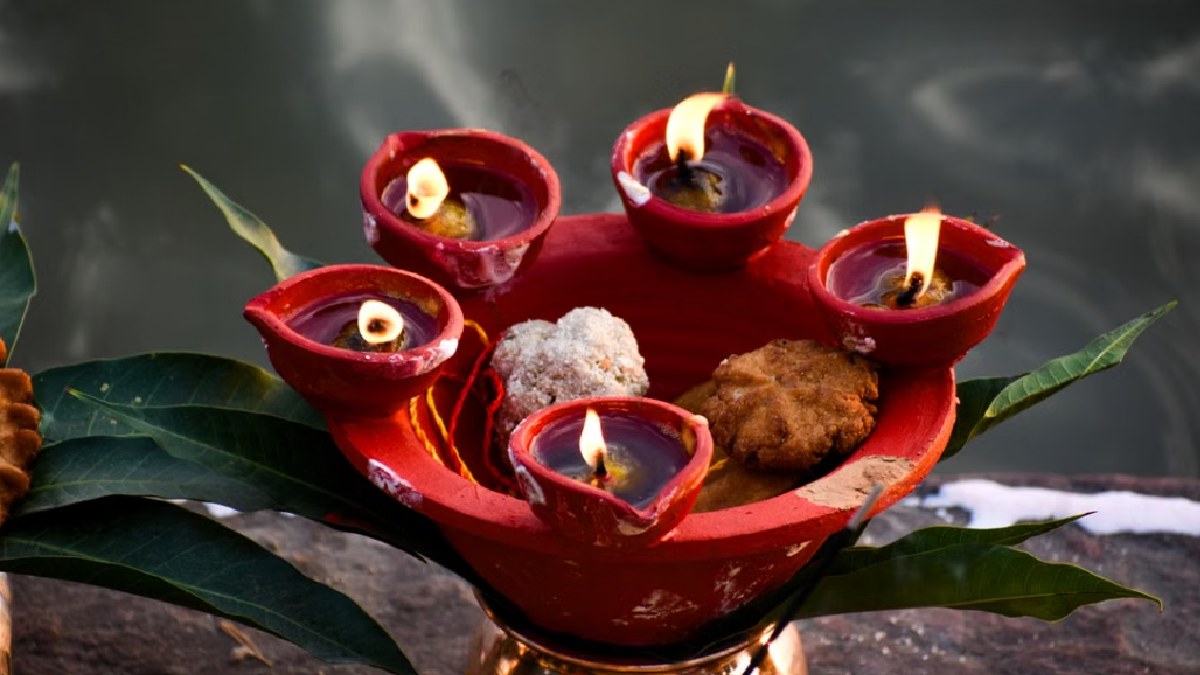
Shraddha rituals can be performed at home and temple with the help of priests. But Hindu traditions also treat pilgrimage centres as particularly important to perform ancestral rites. These places, called Pitru Teerthas, are usually associated with rituals for ancestors. Devotees visit such places in Pitru Paksha to perform ceremonies according to local customs and the guidance of qualified priests.
South India has several important religious locations where devotees typically perform Shraddha and Pind Daan. Gokarna in Karnataka, Triveni Sangam at Srirangapatna and Rameshwaram in Tamil Nadu are some of the important places for devotees who wish to perform ancestral rituals.
1. Mahabaleshwar Temple, Gokarna.
Shri Mahabaleshwar Temple in Gokarna, Karnataka is one of the great pilgrimage centres of Lord Shiva and is usually called Dakshina Kashi, or Kashi of South India. It is associated with the Atma Linga of Lord Shiva.
Gokarna is also a popular time to perform ancestral rituals. During Pitru Paksha, people visit the region for Pind Daan and Shraddha ceremonies at the direction of priests. The temple and pilgrimage areas are associated with different religious rituals such as Tripindi Shraddha for ancestors.
Devotees who are planning to perform Shraddha at Gokarna generally consult local priests to know the proper procedure, timing and requirements for the ceremony.
2. Triveni Sangam, Srirangapatna.
Triveni Sangam at Srirangapatna in Karnataka is another important place visited by devotees for ancestral rituals. Triveni Sangam refers to the confluence of three rivers - Kaveri, Hemavati and Lokapavani.
The confluence is considered sacred and the devotees take a holy bath and perform religious rituals at the site. During Pitru Paksha, families visit the Sangam to perform Shraddha, Tarpan and Pind Daan according to their family traditions.
The priests at the place can guide devotees through the appropriate rituals. Many families prefer to conduct ancestral ceremonies at river confluences because of their traditional religious significance. Devotees should follow the guidance of qualified priests and local temple authorities when carrying out the ceremonies.
3. Rameshwaram Temple, Tamil Nadu.
Rameshwaram is one of the major pilgrimage places in Tamil Nadu. The Ramanathaswamy temple in Rameshwaram is dedicated to Lord Shiva, worshipped here as Ramanathaswamy.
According to Hindu tradition, Lord Rama worshipped Lord Shiva at Rameshwaram after the battle with Ravana. The pilgrimage centre is therefore associated with spiritual purification and liberation related religious practices.
During Pitru Paksha, devotees visit Rameshwaram for ancestral ceremonies including Tarpan and Shraddha. The temple is famous for its sacred water sources including 22 theerthams in the temple complex. Devotees traditionally take ritual baths at the theerthams and then perform religious ceremonies according to established practices.
Apart from these three places, devotees perform Shraddha rituals at other sacred places in Udupi and Bengaluru. In Bengaluru, there are several Vedic and religious organisations that provide facilities or guidance for families wishing to perform ancestral ceremonies.
The choice of Shraddha location comes down to family custom, personal belief and the advice of priests knowledgeable about the rituals. Travelers planning to travel during Pitru Paksha should also prepare for temple timings, priests, materials and local arrangements in advance.
Pitru Paksha is considered to be a time of remembrance, thanks and prayer for departed family members. Shraddha is the ceremony performed at home or at a holy pilgrimage centre according to the family tradition. There are a number of good places in South India, for which temple and pilgrimage is to be performed and the temple is to be visited.